
Categories
GalvestonPublished December 6, 2025
Finding Your Place on the Island: An Overview of Galveston Neighborhoods

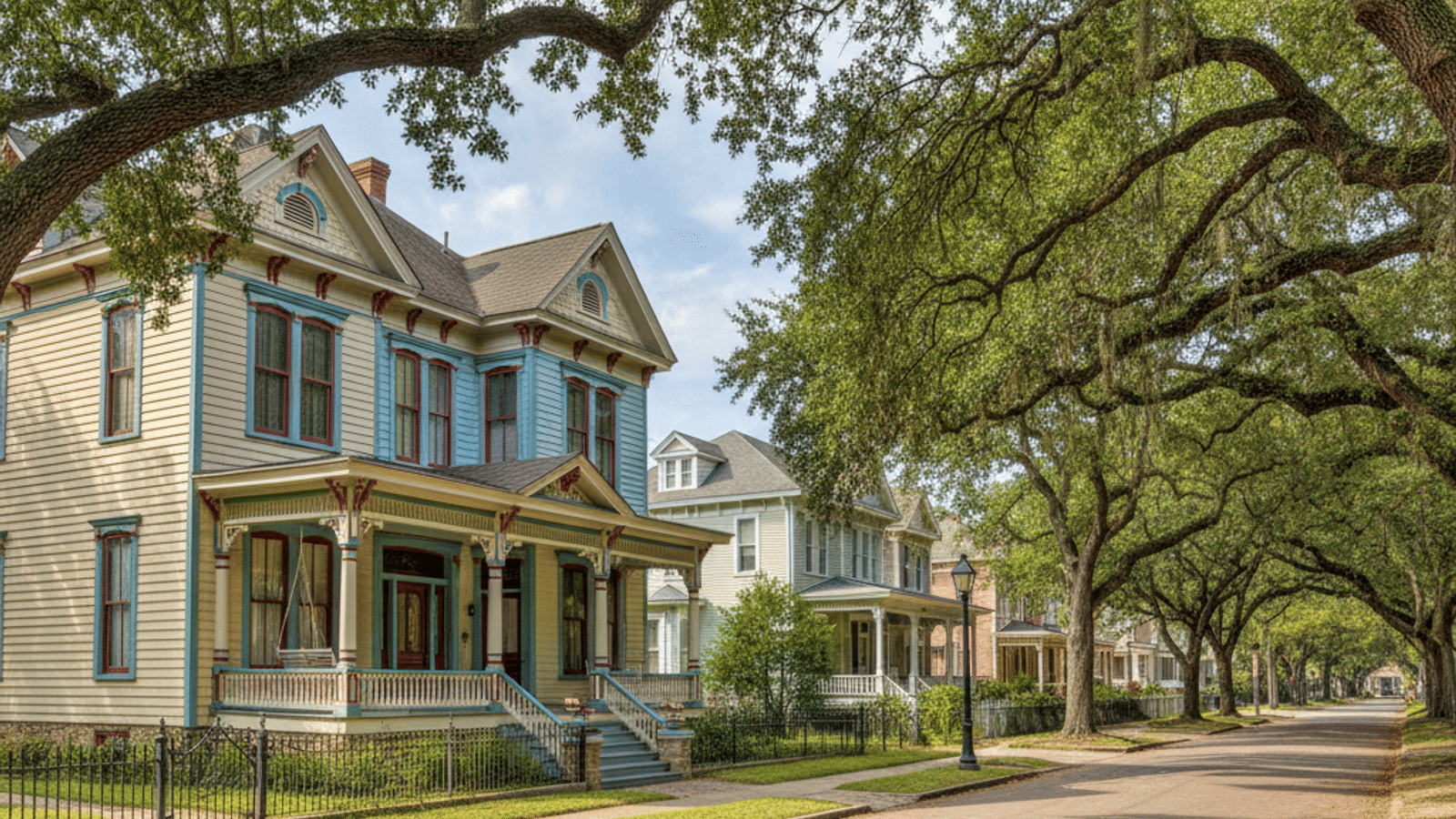
Galveston is more than just a weekend getaway for Houstonians or a cruise ship port; it is a living, breathing city with around 53,000 residents who call it home year-round. If you are considering buying in Galveston, the first thing to understand is the island's unique geography. We generally divide the real estate market into three distinct buckets: the historic, urban East End; the suburban-feeling Mid-Island; and the beach-focused West End.
The biggest decision you will make isn't just about the number of bedrooms—it is about lifestyle. Are you looking for the walkability and Victorian charm of the historic districts, or are you chasing sunsets and canal access on the bay side? It is also crucial to distinguish between full-time residential zones and vacation rental zones. Some neighborhoods buzz with tourists every weekend, while others remain quiet, tight-knit communities reserved for long-term residents.
East End Historic District: Victorian Charm & Walkability
If you’ve seen photos of Galveston’s iconic Victorian homes, you were probably looking at the East End Historic District. It’s the postcard side of the island—Bishop’s Palace, shaded streets, and quick access to The Strand and UTMB. The neighborhood tends to draw people who want character and convenience in the same package: medical staff walking to campus, creatives looking for older architecture, and anyone who prefers a lively, close-in setting over a quieter beach enclave.
The housing here is distinct. You will find historic homes dating back to the late 1800s and early 1900s, featuring high ceilings, intricate woodwork, and expansive front porches perfect for catching the Gulf breeze. Styles range from grand Queen Anne manors to simpler Folk Victorian cottages.
There are clear pros and cons to this lifestyle. On the plus side, it is incredibly walkable; you can easily stroll to restaurants, nightlife, and local shops. However, owning a historic home means staying on top of maintenance, and parking can be tighter here than in the newer subdivisions.
Silk Stocking & Lost Bayou: Historic Alternatives
If the East End feels a bit too busy or you are looking for a slightly different flavor of history, Silk Stocking and Lost Bayou are excellent alternatives.
Silk Stocking
Silk Stocking sits right between Broadway and the Seawall. Historically, this was an affluent area, so you will see grand homes that rival the East End in size and stature. Because of its location, it offers a unique blend of historic residential feel with very quick access to the beach.
Lost Bayou
Lost Bayou has a scrappier, more resilient reputation—this neighborhood famously survived the 1900 storm. It features a charming mix of smaller cottages nestled next to larger historic properties. The atmosphere here tends to be quieter and more laid-back than the heart of the East End, making it a favorite for buyers who want character without the heavy foot traffic.
Cedar Lawn & Denver Court: Established Mid-Island Communities
As you move toward the middle of the island, the grid relaxes, and the neighborhoods start to feel more traditional. Cedar Lawn and Denver Court are two of the most sought-after areas for full-time residents who want stability and privacy.
Cedar Lawn
Cedar Lawn is often called the "Garden District" of Galveston. It is a designated conservation district with a unique circular layout and very limited access, making it feel extremely private. One of the biggest draws for locals is that the HOA generally restricts short-term rentals (always verify current rules), so you won't have a bachelor party renting the house next door every weekend.
Denver Court
Denver Court is located nearby, just blocks from the Seawall, but it feels surprisingly secluded. The architecture here is an eclectic mix from the 1920s to the 1950s, featuring Tudor, Spanish Revival, and mid-century designs. People choose these neighborhoods for their larger lots, tree-lined streets, and the "traditional neighborhood" vibe that can be hard to find in the tourist-heavy zones.
Fish Village (Lindale): The UTMB Hub
Locals almost universally refer to the Lindale Park area as Fish Village because the streets are named after marine life—think Porpoise, Whiting, and Marine streets. Located very close to the University of Texas Medical Branch (UTMB) and the Ferry, this neighborhood is the logistical heart of the university community.
The homes here are quite different from the Victorian mansions downtown. You will mostly find mid-century cottages and brick bungalows on decent-sized lots. It is popular with medical students, hospital staff, and professors who want a short commute. The vibe is casual, accessible, and functions like a true university village.
Evia: Modern Living with Coastal Charm
For buyers who love the coastal aesthetic but dread the maintenance of a 100-year-old house, Evia is often the top choice. Located behind the Seawall near 99th Street, this is a master-planned community built starting in the mid-2000s. The developers designed the homes to mimic historic Gulf Coast vernacular, so you get the charm without the drafty windows.
Life in Evia revolves around its three freshwater lakes and the community plaza, which hosts the popular Sugar Bean coffee shop. Residents enjoy playgrounds, walking paths, and easy access to the Moody Gardens Golf Course nearby. The trade-off is that you will pay higher HOA fees, and you aren't directly on the beach, but for many, the modern amenities and lower maintenance are worth it.
The West End: Pirates Beach, Jamaica Beach, & Sea Isle
Once you drive past the end of the Seawall, the landscape shifts from urban to coastal. This is the West End, where homes go up on stilts and the lifestyle revolves around the water.
- Pirates Beach & Pirates Cove: These are among the most prestigious neighborhoods on this side of the island. Pirates Beach is on the Gulf side (beachside), while Pirates Cove is on the bay side (bayside) and features canal-front homes. Residents here often have access to the local country club.
- Jamaica Beach: The area has its own small-town setup, with local police and fire crews based right in the neighborhood. The vibe here is easygoing, and the mix of year-round residents and part-time owners gives the place a steady, lived-in feel.
- Sea Isle: Sea Isle sits further west and appeals strongly to boaters and anglers. With its marina, boat launch, and fishing pier, it’s a neighborhood built for people who want immediate water access and a quieter, more Gulf-oriented pace.
Luxury Living: Beachtown & Sands of Kahala
For those seeking the very top of the Galveston market, there are a few exclusive enclaves to watch.
Beachtown is located on the far east end of the island. It is a New Urbanism development known for its fortified construction, white picket fences, and strict architectural standards. It feels like a carefully curated coastal village and commands luxury price points.
On the West End, Sands of Kahala offers beachfront luxury subdivisions. These homes are typically large, modern, and built to resilient standards. Buyers here are looking for exclusivity and direct access to the sand without the crowds.
Critical Factors for Galveston Homebuyers
Buying a home on an island comes with a unique set of logistics that you won't face on the mainland. Here are a few things to keep in mind when looking at homes for sale in Galveston.
Flood Zones & Insurance This is the big one. You need to know if a property is in an X zone (lowest risk), AE, or VE zone. Always ask for an elevation certificate. Furthermore, standard homeowners insurance usually does not cover wind damage here; you will likely need a separate policy through the Texas Windstorm Insurance Association (TWIA).
Short-Term Rentals (STRs) If you are moving to the island to live, pay attention to the neighborhood's stance on short-term rentals. Living next to a quiet neighbor is very different from living next to a high-turnover vacation rental. Neighborhoods like Cedar Lawn restrict them, while areas like Pirates Beach are mixed.
Commute & Maintenance If you work in Texas City or Houston, consider your access to I-45. Living on the far West End can add 20–30 minutes to your drive compared to the East End. Also, remember that salt air is tough on everything. Regular maintenance is just a part of the cost of living in Galveston.
Frequently Asked Questions About Galveston Neighborhoods
What is the nicest neighborhood in Galveston?
“Nicest” really depends on the lifestyle you want. If your idea of premium living is direct beach access, Beachtown and Pirates Beach sit at the top with their design standards, dune protection, and calm, residential feel. If you lean toward historic prestige and architecturally significant homes, Cedar Lawn and the East End Historic District are often viewed as Galveston’s most distinguished areas thanks to their large lots, century-old craftsmanship, and long-standing neighborhood identity.
Where do the locals live in Galveston?
While tourists stick to the Seawall and West End rentals, locals tend to congregate in established neighborhoods like Cedar Lawn, Denver Court, and Fish Village. Evia is also very popular for full-time residents seeking a newer community feel.
Is the East End of Galveston a good place to live?
Yes, especially if you enjoy walkability and culture. The East End puts you close to The Strand, restaurants, and art galleries. However, potential buyers should be prepared for the maintenance required for historic homes and street parking logistics.
Which Galveston neighborhoods are best for full-time living?
Neighborhoods that restrict short-term rentals, such as Cedar Lawn, generally offer the most stable environment for full-time living. Evia and Denver Court are also favorites because they foster a strong sense of community that isn't dependent on seasonal tourism.
What are the safest neighborhoods in Galveston?
Safety often correlates with community activity and established neighbors. Areas like Pirates Cove, Evia, and Cedar Lawn are known for being quiet and well-maintained. As with any city, it is smart to check local crime maps and visit the neighborhood at different times of day.

April Aberle
REALTOR ® | Mortgage Originator | Homes for Heroes Affiliate | April Aberle | REMAX Crossroads Realty
or another way