
Categories
Texas CityPublished August 4, 2026
What to Expect When Downsizing in Texas City, TX

The median sale price in the Texas City, TX housing market sits around $275,590. That number matters because downsizing - selling a larger property to buy a smaller one - is as much a financial move as it is a lifestyle one. You're not just trading square footage. You're trading Gulf Coast weather exposure, utility bills, and weekend maintenance hours for something more manageable. For a lot of homeowners here, that trade makes a lot of sense.
A smaller floor plan costs less to cool, less to insure in some cases, and less time to maintain. And if you've built equity in a larger house, cashing that out can fund the next purchase outright - or at least make the mortgage a lot lighter.
Motivations for Moving to a Smaller Home in Texas City
Homes in Texas City spend roughly 72 days on the market before selling, which gives you a reasonable window to plan. Sellers who cash out equity from a large house can use those proceeds to purchase a smaller property outright or carry a much smaller mortgage - either way, capital gets freed up for other uses.
Electricity is the obvious one. A smaller square footage requires less energy to cool during hot Texas summers, and that shows up immediately in your monthly bills.
Then there's the Gulf Coast factor. Salt air and humidity are hard on siding, roofs, and fencing - the kind of wear that means repair bills arrive faster than you'd expect on a large property. Moving to a smaller footprint, or one with shared exterior maintenance, cuts into that cycle considerably.
Low-Maintenance Housing Options in the Area
Inventory in Texas City currently sits at around 326 available homes, so buyers looking for a smaller footprint have real options. The property types vary meaningfully in what they ask of you as an owner, and understanding those differences upfront saves you from buying the wrong kind of "low maintenance."
The average sale price for a condominium in the area is roughly $195,815. Townhouse list prices generally range from $99,500 to $225,000. Established communities like Palisade Palms Condominiums, Beachside Village, Beachtown Village, Grand Cay Harbour, Sea Isle, and Seascape Condominiums all offer some version of condo-style or low-maintenance living for buyers who want fewer property responsibilities.
Condominiums and Townhomes
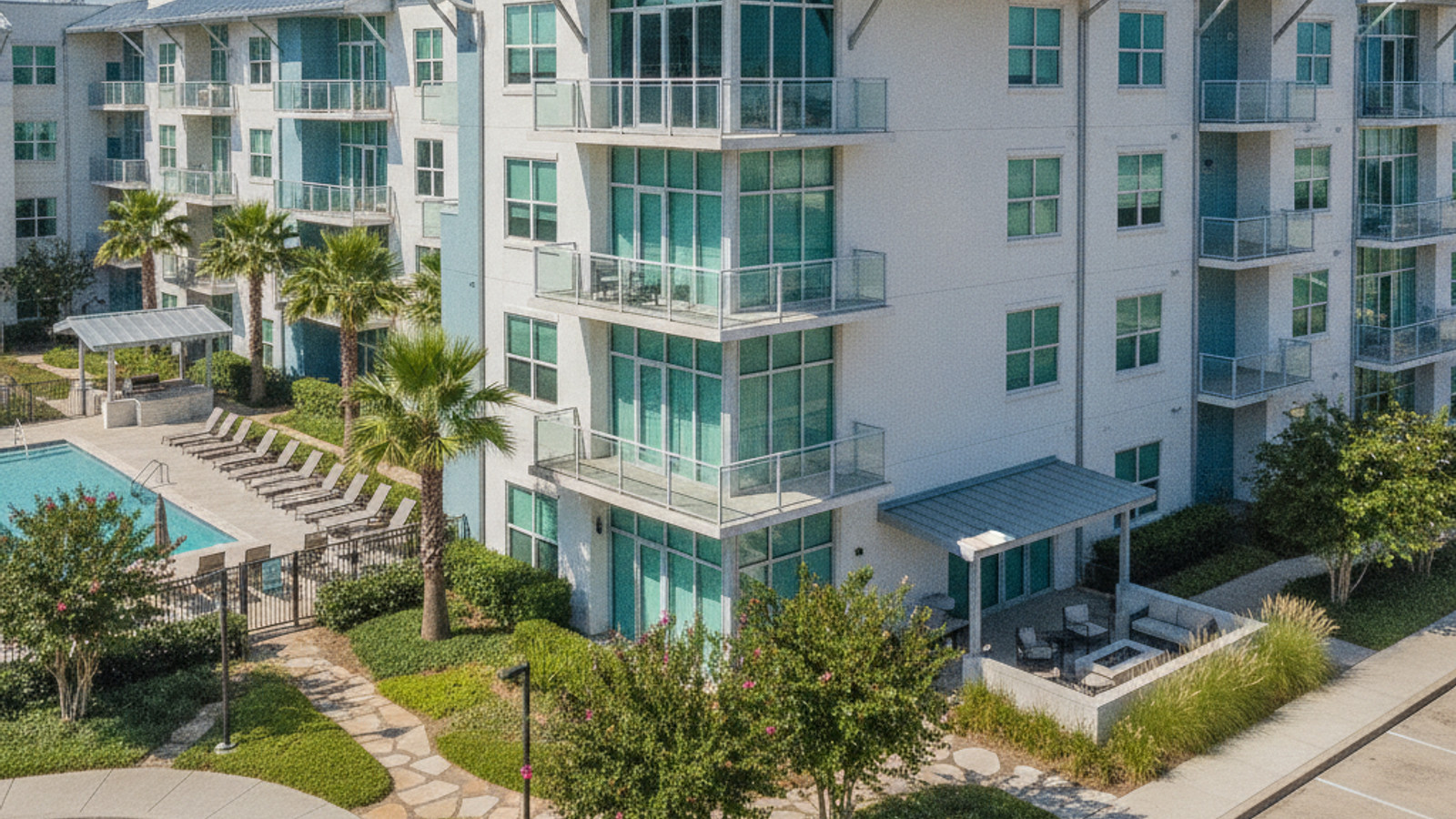
Condos and townhomes typically come with HOA management of exterior maintenance and shared amenities - that's the main draw. Properties like Casa del Mar and Victorian Condominiums take yard work off your plate entirely. What you give up is private outdoor space and, to some degree, quiet. Shared walls and closer neighbors are part of the deal.
Before you buy, review the HOA's rules and fee structures carefully. More importantly, look at the association's financial health. An underfunded reserve account is how you end up with a surprise special assessment a year after closing.
Smaller Single-Family Homes
A smaller standalone house gives you more privacy than a condo while still reducing your cleaning burden and utility costs. The median price for single-family homes in the area is approximately $275,590. If you want a private yard without managing a massive lot, this is where that middle ground lives.
You're still responsible for all exterior maintenance - mowing, roof repairs after storms, the works. The benefit is simply that there's less of it.
Patio Homes
Patio homes are built on zero-lot lines, which maximizes indoor living space and minimizes the yard. Think of them as sitting between a townhouse and a traditional single-family house. Small, private courtyards replace large lawns, and you don't share walls with neighbors, so privacy holds up better than a condo.
Less landscaping, structural independence, and a detached feel - that combination is why patio homes stay popular with buyers who want to scale back without feeling like they've given something up.
How Downsizing Impacts Your Budget
Galveston County's adopted property tax rate for 2026 is $0.3257 per $100 of valuation - a 4.7% decrease from the previous year. Buying a lower-priced home reduces the assessed value your taxes are calculated against, which has a real dollar impact year over year.
The total combined effective property tax rate for homeowners in the county typically ranges from 1.58% to 1.96%. That spread matters when you're running numbers on your new purchase.
What people sometimes overlook is that a smaller home doesn't automatically eliminate all regional costs. Coastal properties carry specific insurance requirements, and those don't disappear just because the house is smaller. Run the full monthly picture - taxes, insurance, and any HOA dues - before you decide how much you're actually saving.
Property Taxes in Galveston County
Moving to a less expensive property lowers the baseline across county, city, and local school district taxes. A home valued at $200,000 carries a smaller tax burden than one valued at $400,000 under the same 1.96% effective rate - the math is straightforward.
What's less obvious is what happens to your exemptions. Texas allows certain exemptions to port over to a new primary residence, but sellers should verify exactly how that works with the county appraisal district before closing. Don't assume - confirm.
HOA Fees and Insurance Costs
Windstorm insurance through the Texas Windstorm Insurance Association (TWIA) averages $1,600 to $2,877 per year. Flood insurance through the National Flood Insurance Program (NFIP) averages $779 to $1,116 annually, though high-risk coastal zones in Texas City can see premiums over $1,200. These are separate policies from your standard homeowner's insurance.
Condo and townhome HOA dues sometimes cover exterior windstorm policies, but interior coverage remains your responsibility. Ask for a clear breakdown of what the HOA insurance actually covers before you assume anything is included. Factor all of this into your monthly payment estimate so the smaller home stays affordable on paper and in practice.
Capital Gains Tax Implications
Selling a primary residence that has appreciated can trigger capital gains taxes. The IRS provides an exclusion for single filers and married couples filing jointly, provided they meet ownership and use tests, and most homeowners fall under that exclusion limit.
Still, run the numbers with a tax professional before you list. Closing costs and tax obligations affect your net proceeds, and that net figure is what actually determines your budget for the next purchase.
The Process of Moving to a Smaller Footprint
Homes in Texas City currently sell for about 96.2% of their list price, and with about 4.7 months of supply available, the market is relatively balanced. Sellers have room to negotiate, but the condition and presentation of your home still drives the final number.
The logistical reality of downsizing is that you're coordinating two transactions at once - sorting and reducing belongings, preparing the current house for sale, and securing the next property before or right after your current one closes. How you sequence those steps depends on your risk tolerance and your finances.
Decluttering and Organizing
Start months before you list, not days. A smaller home requires a reduced inventory of furniture, clothing, and household items, and that editing process takes longer than most people expect. Measure the rooms in properties you're considering so you know what actually fits before moving day.
Items that don't make the cut can be sold, donated, or discarded. Getting that done early also improves how your current home shows - an uncluttered house photographs better and feels larger to buyers walking through.
Preparing Your Current Home for Sale
A home lived in for decades often needs minor repairs and fresh paint before it's ready to show. Staging helps buyers see themselves in the space rather than seeing your stuff in it. The decluttering you've already done handles a lot of that naturally.
With 326 listings in current inventory, a well-prepared home stands out. Fix broken fixtures, tidy the landscaping, and focus on repairs that actually move the needle on sale price.
Managing the Buy and Sell Timeline
A contingent offer lets you secure a new home provided your current house sells first - it protects you from carrying two mortgages at once. A rent-back agreement works from the other direction, letting you stay in your current home for a short period after closing while you finalize the smaller purchase and move your belongings without rushing. Both structures have trade-offs, and the right one depends on your situation. Work through the contract details with your agent before you commit to either approach.
Frequently Asked Questions
Will I keep my over-65 property tax exemption if I downsize to a smaller house in Texas City?
It depends on the specific county rules and your new property's value. Contact the Galveston County tax office to confirm how your exemption transfers. Whatever the outcome, your final bill will shift based on the county's 1.58% to 1.96% effective tax rate applied to your new assessed value.
How do I coordinate selling my current house and buying a smaller home in Texas City at the same time?
You have two main options. A contingent offer ties the purchase of your new condo or house to the successful sale of your current property. A rent-back agreement lets you stay in your large house for a set time after closing while you finalize the purchase of your smaller home. Both are workable - it's a matter of which fits your timeline.
What are the best neighborhoods or low-maintenance communities for downsizing in Texas City, TX?
Several established communities offer condo-style or low-maintenance living in the area. Popular options include Palisade Palms Condominiums, Beachside Village, Beachtown Village, and Grand Cay Harbour. Sea Isle, Breakers Condominiums, and Casa del Mar Condominiums are worth looking at depending on your budget.
Will downsizing to a smaller property in Texas City save me money once windstorm and flood insurance are factored in?
It depends on the location and elevation of your new home. A smaller house generally uses less electricity, but high-risk coastal zones in Texas City can see flood insurance premiums over $1,200, and windstorm insurance through TWIA averages $1,600 to $2,877 statewide. Quote those costs before you buy, not after.
What are the best local options in Texas City for liquidating or donating furniture that won't fit in my new home?
You can sell items online, host an estate sale, or donate to local charities and donation centers. Specific facilities vary in what they'll accept for large furniture, so call ahead before hauling anything over. Getting this handled early makes staging your current home considerably easier.
How long is it currently taking to sell a large family home in the Texas City real estate market?
Roughly 72 days on market is the current average in Texas City. There are about 326 available homes in inventory, representing a 4.7-month supply. Price it right from the start and you'll move faster than the average - overprice it and that 72-day clock starts looking optimistic.

April Aberle
REALTOR ® | Mortgage Originator | Homes for Heroes Affiliate | April Aberle | REMAX Crossroads Realty
or another way