
Categories
GalvestonPublished December 8, 2025
Galveston Real Estate Market Trends: What to Expect in 2026

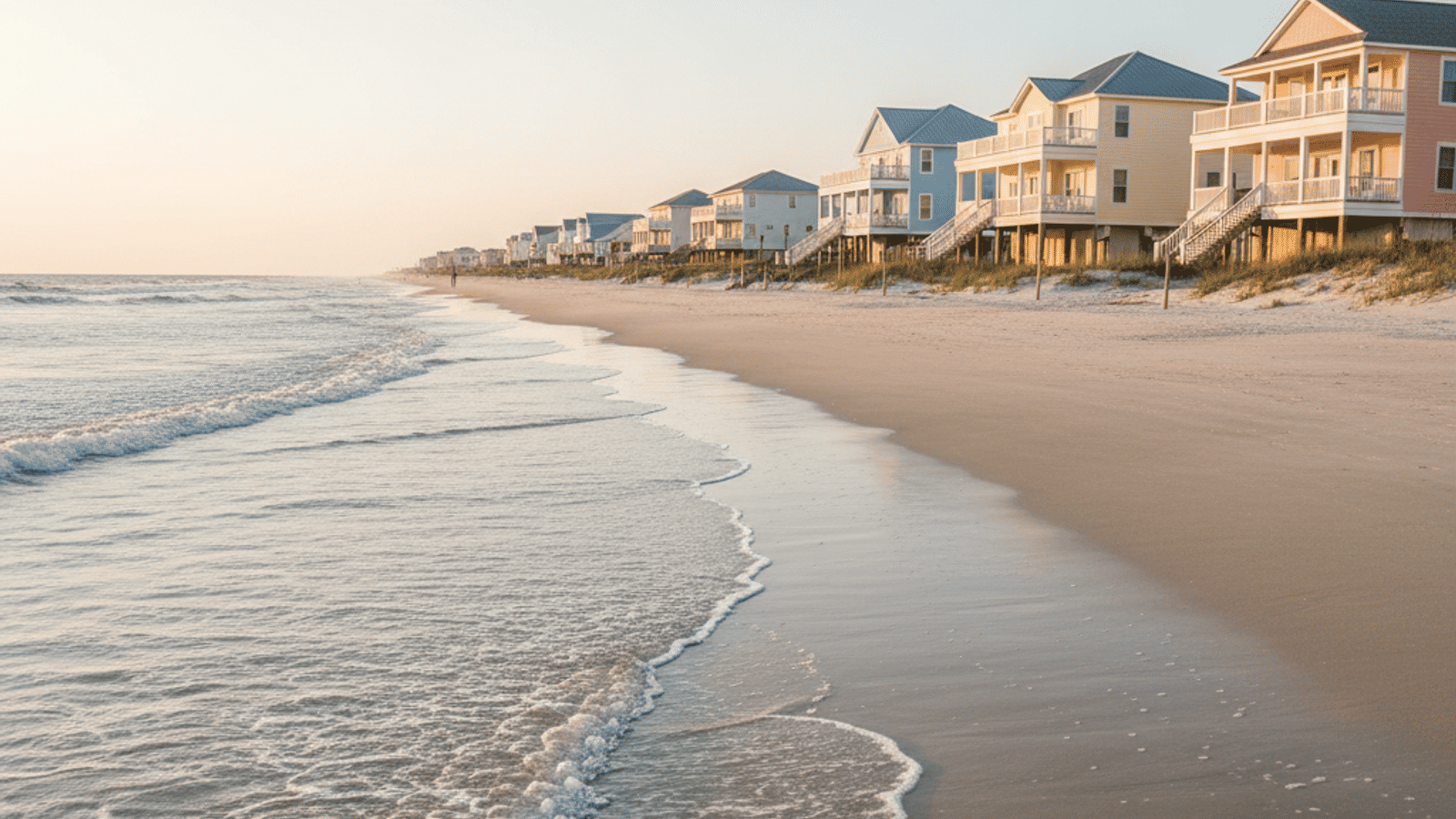
If you have been keeping an eye on Galveston’s housing market lately, you have probably noticed a distinct change in the air. As we move into 2026, Galveston is experiencing a significant shift. We are moving away from the frenzied, multiple-offer environment of the pandemic years and settling into a cooling period defined by choice and negotiation.
The days of homes selling in hours for well over the asking price are largely behind us. Instead, we are seeing a landscape driven by rising inventory, evolving insurance costs, and interest rates that are keeping some buyers on the sidelines. For anyone looking to purchase—whether it's a primary residence or a vacation getaway—this is actually good news. We are firmly in a buyer’s market, meaning you have opportunities to negotiate terms and prices that simply didn't exist two or three years ago.
Current Market Snapshot: Prices, Inventory, and Trends
Let’s look at the numbers, because the data tells a very specific story about what is happening on the ground. The headline here is the disparity between the number of homes sitting on the market and the number of buyers actually closing deals.
While you might expect prices to plummet given the cooling demand, things are a bit more nuanced. The median sales price has largely stabilized, hovering between $335k and $395k depending on which dataset you look at. However, the price per square foot has actually ticked up by roughly 9% in some areas. This suggests that while overall transaction volume is down, smaller homes and properties in prime locations are still holding their value well.
Here is a quick look at the stats defining the market right now:
- Days on Market (DOM): This is the biggest change. Homes are taking much longer to sell, often sitting for 79 to over 150 days. Compare that to the ~50-day average we saw previously, and you can see why patience is key.
- Inventory Levels: We are looking at a glut of available homes. Some reports indicate we have reached over 10 months of inventory. In real estate speak, anything over 6 months is generally considered a buyer's market.
- Active Listings: The number of homes available has surged, with some data showing active listings doubling year-over-year from around 800 to over 1,600.
The 'Airbnb Effect': Short-Term Rentals and Oversaturation
You cannot talk about Galveston real estate without discussing the vacation rental market. A massive driver of the current inventory surge is what we call the "oversaturation" of short-term rentals (STRs). Between 2021 and 2024, the number of registered STRs on the island essentially doubled, reaching nearly 5,000 units.
During the post-pandemic travel boom, buying a beach house to list on Airbnb or Vrbo seemed like a license to print money. However, with so many units now available, occupancy rates have naturally dipped. When you combine lower rental income with higher operating costs (like insurance and cleaning fees), the profit margins have thinned out.
Consequently, many investors are choosing to exit the market. This "sell-off" is most visible in the West End and among beachside condos, where inventory volatility is highest. If you are looking for Galveston vacation rentals or investment properties, the opportunities are there, but the "easy money" era is over. Successful investing now requires strict due diligence on your numbers to ensure the property cash flows correctly.
The Cost of Ownership: Insurance and Taxes
If the mortgage interest rate is the first hurdle for buyers, insurance and taxes are the hurdles that come after the closing table. These "hidden costs" are heavily influencing the market right now, causing some potential buyers to pause and some current owners to sell.
The most critical factor here is windstorm coverage. In Galveston, standard homeowners insurance rarely covers wind damage from hurricanes. For that, we rely on the Texas Windstorm Insurance Association (TWIA), the insurer of last resort. While proposed rate hikes are often debated and sometimes rejected, premiums remain a significant line item, averaging around $2,400 per year for many residential properties.
Here is how the carrying costs break down:
- Flood Insurance: This is separate from windstorm. Under FEMA's Risk Rating 2.0, premiums are now based on individual property risk rather than just flood zones. Some homeowners have seen premiums jump from a few hundred dollars to several thousand.
- Property Taxes: Texas is known for high property taxes to offset the lack of state income tax. As Galveston property appraisals have risen, the annual tax bill has increased, raising the monthly holding cost for owners.
- HOA Fees: If you are eyeing a condo, pay close attention to the HOA fees. Many complexes are raising their monthly dues to cover skyrocketing master insurance policies for the buildings.
Neighborhood Breakdown: Where to Look
Galveston isn't one single market; it is a collection of distinct neighborhoods that behave differently. Depending on your goals, you might find that one area offers better value than another.
- The West End This is the hub for vacation rentals, including popular spots like Pirates Beach and Jamaica Beach. Because this area is heavily populated by investors, it is seeing the most inventory volatility due to the STR sell-off mentioned earlier. If you are looking for a second home, you will likely find the most room for negotiation here.
- East End / Historic District This area tends to feel more residential and is famous for its Victorian architecture. The market here is generally driven by full-time residents and preservationists rather than short-term investors. It offers a strong community feel for those who want to be near the downtown Strand area but away from the beach traffic.
- Midtown Often offering more affordable price points, Midtown acts as the primary housing hub for the local workforce. It is generally less volatile than the beachfront luxury market and offers solid options for those looking for Galveston homes for sale that don't come with the premium price tag of the beach or the maintenance requirements of a historic home.
Galveston Real Estate Forecast 2026
Looking ahead, we expect the current trends to continue throughout 2026. Inventory will likely remain high as more owners look to offload vacation properties that aren't meeting their revenue targets. This supply glut means prices will likely remain soft or see modest declines, giving buyers continued leverage.
Interest rates will, of course, dictate the overall pace of sales. However, the market isn't crashing; it is normalizing. We are returning to pre-pandemic seasonal patterns where homes take a normal amount of time to sell, and buyers have the luxury of sleeping on a decision rather than rushing to sign a contract.
Frequently Asked Questions
Is housing inventory increasing in Galveston?
Yes. Inventory has opened up noticeably, with more listings hitting the market than Galveston has seen in recent years. The shift gives buyers room to compare neighborhoods, condition, and pricing instead of jumping at the first decent option.
Are home prices dropping in Galveston?
Prices aren’t collapsing, but they’ve softened. Median values are holding close to last year’s levels, while certain well-kept or well-located homes still command strong numbers. It’s a market where overall prices feel steadier, but buyers have a bit more leverage—especially on listings that need updates or have been sitting awhile.
Is now a good time to buy a house in Galveston?
Yes, if you are willing to negotiate. The shift to a buyer’s market means you have leverage on price and repairs that did not exist a few years ago, provided you account for insurance and tax costs in your budget.
How much does windstorm insurance cost in Galveston?
While costs vary based on the home's value and age, the average residential premium through TWIA is roughly $2,300 to $2,400 per year. It is important to remember this is separate from your standard hazard and flood insurance policies.
Is the Galveston vacation rental market saturated?
Yes, the market is currently experiencing oversaturation. The number of registered short-term rentals nearly doubled between 2021 and 2024, which has diluted occupancy rates and led to increased competition among hosts.
|


or another way