
Categories
GalvestonPublished January 19, 2026
Galveston vs. Kemah: Choosing Your Waterfront Lifestyle

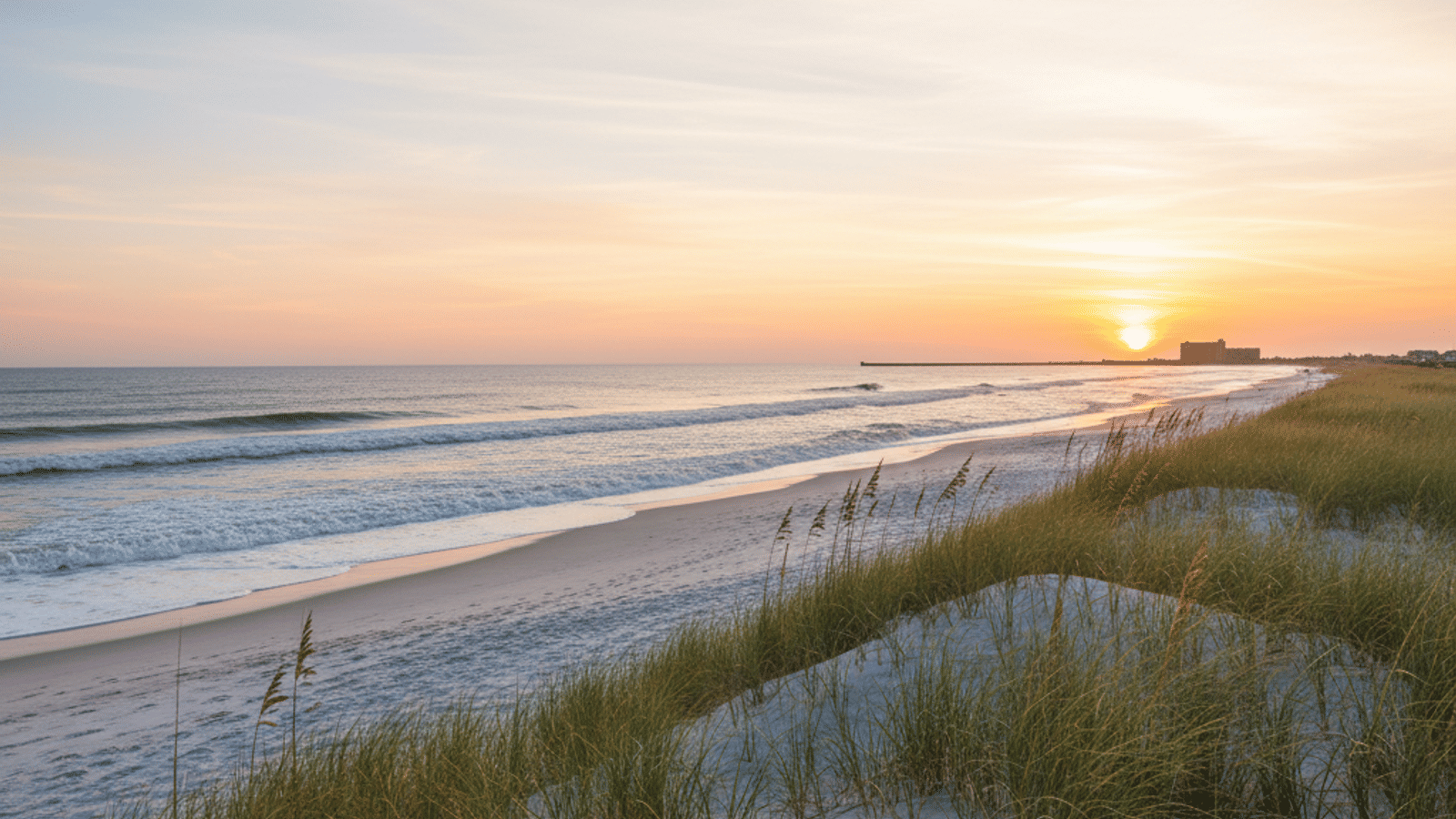
If you are looking to trade the concrete jungle for salt air and fresh seafood, the Texas Gulf Coast has two heavy hitters that likely top your list: Galveston and Kemah. On the surface, they seem similar—both offer waterfront living, boardwalks, and plenty of weekend tourists. But ask any local, and they’ll tell you the daily rhythm of these two towns couldn't be more different.
The core decision usually comes down to geography and lifestyle speed. Galveston is a true barrier island with historic roots and direct beach access, often operating on its own "island time." Kemah, on the other hand, is a mainland bay community that serves as a boating hub while offering a much quicker connection to the rest of the Houston metro. It’s the difference between living in a destination city versus living in a vibrant suburb with a killer view.
Vibe and Lifestyle: Island History vs. Bayside Energy
When you cross the Causeway onto Galveston Island, you aren't just entering a new zip code; you’re entering a place with a distinct, standalone identity. Galveston feels like a small town with a deep soul. The streets are lined with Victorian architecture, and locals take pride in a history that includes surviving the 1900 Storm and rebuilding into a resilient, close-knit community. The vibe here is walkable and laid-back. You’ll see neighbors cruising on golf carts to the local corner store or heading down to The Strand for a coffee.
Kemah offers a totally different energy. While it has a small-town footprint, it feels much more connected to the hustle of the mainland. It is the heart of the "Clear Lake" lifestyle, which is heavily focused on yachting, powerboating, and sailing. The energy here is anchored by the Kemah Boardwalk, which brings a fast-paced entertainment district feel to the waterfront. However, step a few blocks back from the water, and Kemah transitions quickly into a quiet, suburban atmosphere that feels like an extension of League City.
If you want a community that feels like its own separate world, that’s Galveston. If you prefer a modern suburban feel where the water is your playground rather than your entire identity, Kemah usually fits the bill.
Cost of Living and Housing Market
For many buyers, the initial listing prices in both areas can look surprisingly affordable compared to other coastal markets in the US, but the "real" monthly cost is where the details matter.
Home Prices Galveston offers a massive range of inventory. You can find everything from a modest $250K condo near the Seawall to multi-million dollar beachfront estates on the West End. The median home value generally hovers around the $315K–$360K range, depending on how close you are to the sand. Kemah is a much smaller geographic area with limited inventory. Homes here are often priced between $270K and $300K, though waterfront properties with boat slips command a significant premium.
The Insurance Reality This is the most critical conversation you need to have with your agent and lender. Because Galveston is a barrier island, it is fully exposed to storm surge. Windstorm and flood insurance are not just recommended; they are budget-busting necessities.
- In Galveston, you will likely need a policy through the Texas Windstorm Insurance Association (TWIA) and a separate flood policy. Costs can easily run 20% to 50% higher here than on the mainland.
- Kemah is also coastal, but being on the bay (and slightly more inland) can sometimes mean slightly more favorable rates, though FEMA’s Risk Rating 2.0 has leveled the playing field somewhat.
Renting and Maintenance If you aren't ready to buy, the rental markets differ greatly. Galveston has a robust market, but long-term renters often compete with short-term vacation rentals (STRs), which can drive up prices in desirable pockets. Kemah has fewer large apartment complexes, so you are mostly looking at single-family rentals or commuting from nearby Seabrook. Also, keep in mind that salt air corrosion is a fact of life in both towns—your AC units, deck screws, and car undercarriages will require more maintenance than they would in Katy or The Woodlands.
Schools and Education: GISD vs. CCISD
For households focused on education, the school district lines are often the deciding factor.
Kemah is zoned to Clear Creek ISD (CCISD). This is a large, regional powerhouse district that frequently earns top ratings in the Greater Houston area. CCISD is well-known for robust STEM programs, strong athletics, and broad extracurricular options. For many relocating to the area, the reputation of CCISD provides a sense of stability and predictability regarding educational outcomes.
Galveston is served by Galveston ISD (GISD). While aggregate test scores for the district have historically trailed behind CCISD, GISD operates a unique "Schools of Choice" model. This allows parents to apply to magnet schools and specialized programs—such as those focusing on coastal studies or engineering—regardless of where they live on the island. Additionally, the island is an educational hub for higher learning, home to Texas A&M Galveston and the University of Texas Medical Branch (UTMB), creating a unique academic culture.
Commuting to Houston: The I-45 Reality
If your paycheck comes from Downtown Houston, the Medical Center, or the Energy Corridor, your commute will dictate your quality of life.
Kemah is the clear winner for commuters. Located about 25–30 miles from downtown, the drive is heavy but manageable, typically taking 35–45 minutes during non-peak hours. Access has improved with the widening of Highway 146, giving residents better alternatives to I-45.
Galveston presents a much tougher challenge. The island is roughly 50 miles from downtown Houston. To leave, you must cross the Causeway, which can become a major choke point during accidents or severe weather. A standard commute can easily take 60–75 minutes one way, and significantly longer during rush hour. Galveston is generally best suited for those who work remotely, work locally (at the port, UTMB, or in tourism), or only need to commute into the city a few times a week.
Traffic patterns also differ on weekends. Galveston traffic can be paralyzed by beachgoers on summer weekends or during events like "Jeep Weekend." Kemah traffic is localized around the Boardwalk, making it easier to avoid if you know the back roads.
Dining, Shopping, and Entertainment
When you clock out on Friday, how you spend your weekend depends on which side of the water you live on.
Water Access This is a common point of confusion: Kemah does not have a beach. It has a beautiful boardwalk overlooking Galveston Bay, but you cannot walk into the water for a swim. It is a boating culture—residents spend their weekends at marinas, on jet skis, or sailing. Galveston, conversely, has miles of Gulf-facing beaches. If you want to stick your toes in the sand or go surf fishing, the island is the place to be.
Dining and Nightlife Galveston wins on variety and authenticity. You have historic high-end steakhouses, fresh seafood markets where you buy shrimp right off the boat, and dive bars that have been around for decades. The historic downtown district offers a distinct culinary scene that rivals parts of Houston.
Kemah’s dining scene is dominated by the Kemah Boardwalk, which features major Landry’s concepts (Saltgrass, Joe’s Crab Shack, etc.). It’s fun and vibrant, but less diverse than the island. However, the nearby "Lighthouse District" and surrounding areas like Seabrook offer some excellent local seafood joints and waterfront patio bars that locals love.
Safety and Crime Considerations
When looking at online crime maps for either Galveston or Kemah, the numbers can look alarming at first glance. It is important to understand the context: both cities have relatively small permanent populations but host millions of tourists annually. This skews the per-capita crime statistics significantly.
In Galveston, property crime is the main issue, but it is often concentrated in specific pockets. The "West End" (where many vacation homes are) is generally very quiet and secluded, while the areas directly behind the Seawall see more activity due to high foot traffic.
Kemah faces a similar statistical skew. With such a tiny population (under 2,000 residents), a busy weekend on the Boardwalk can distort the crime rate. The residential subdivisions away from the entertainment district are generally quiet, safe suburban enclaves. For both locations, it is smarter to look at neighborhood-specific reports rather than city-wide aggregates.
Verdict: Which Waterfront City is Right for You?
Choosing between these two comes down to whether you want a permanent vacation vibe or a practical waterfront suburb.
Choose Kemah if:
- You need to commute to Houston daily and want to keep drive times reasonable.
- You prioritize school district ratings and are looking for the stability of CCISD.
- You are a boater who prefers marinas and calm bay waters over sandy beaches.
- You want lower windstorm insurance premiums than the barrier island.
Choose Galveston if:
- You want true historic charm and a walkable downtown culture.
- Direct beach access is a non-negotiable part of your lifestyle.
- You work remotely or locally (UTMB/tourism) and don't mind the distance from the mainland.
- You prefer a community with a distinct, independent identity rather than a suburban feel.
Frequently Asked Questions
Is it cheaper to live in Galveston or Kemah?
Generally, Kemah is slightly cheaper overall, primarily due to insurance costs. While home listing prices can be similar, Galveston residents typically pay significantly more for windstorm and flood insurance, which drives up the monthly cost of living.
Does Kemah have a beach?
No, Kemah does not have a recreational sandy beach. It is located on Galveston Bay and features a boardwalk and marinas for boating, but there is no public beach access for swimming. For that, you must drive about 20–30 minutes south to Galveston.
How far is the commute from Galveston to Houston?
The commute from Galveston to Downtown Houston is approximately 50 miles. Without traffic, it takes about 50–60 minutes, but during rush hour, it can easily exceed an hour and a half.
Are schools better in Kemah or Galveston?
Kemah is zoned to Clear Creek ISD (CCISD), which generally holds higher aggregate ratings and is renowned for its STEM programs. Galveston ISD (GISD) has lower overall ratings but offers excellent magnet programs and "schools of choice" that many parents find highly effective for their specific needs.

April Aberle
REALTOR ® | Mortgage Originator | Homes for Heroes Affiliate | April Aberle | REMAX Crossroads Realty
or another way