
Categories
GalvestonPublished January 19, 2026
Galveston vs. Surfside Beach: Deciding on Your Texas Coastal Home

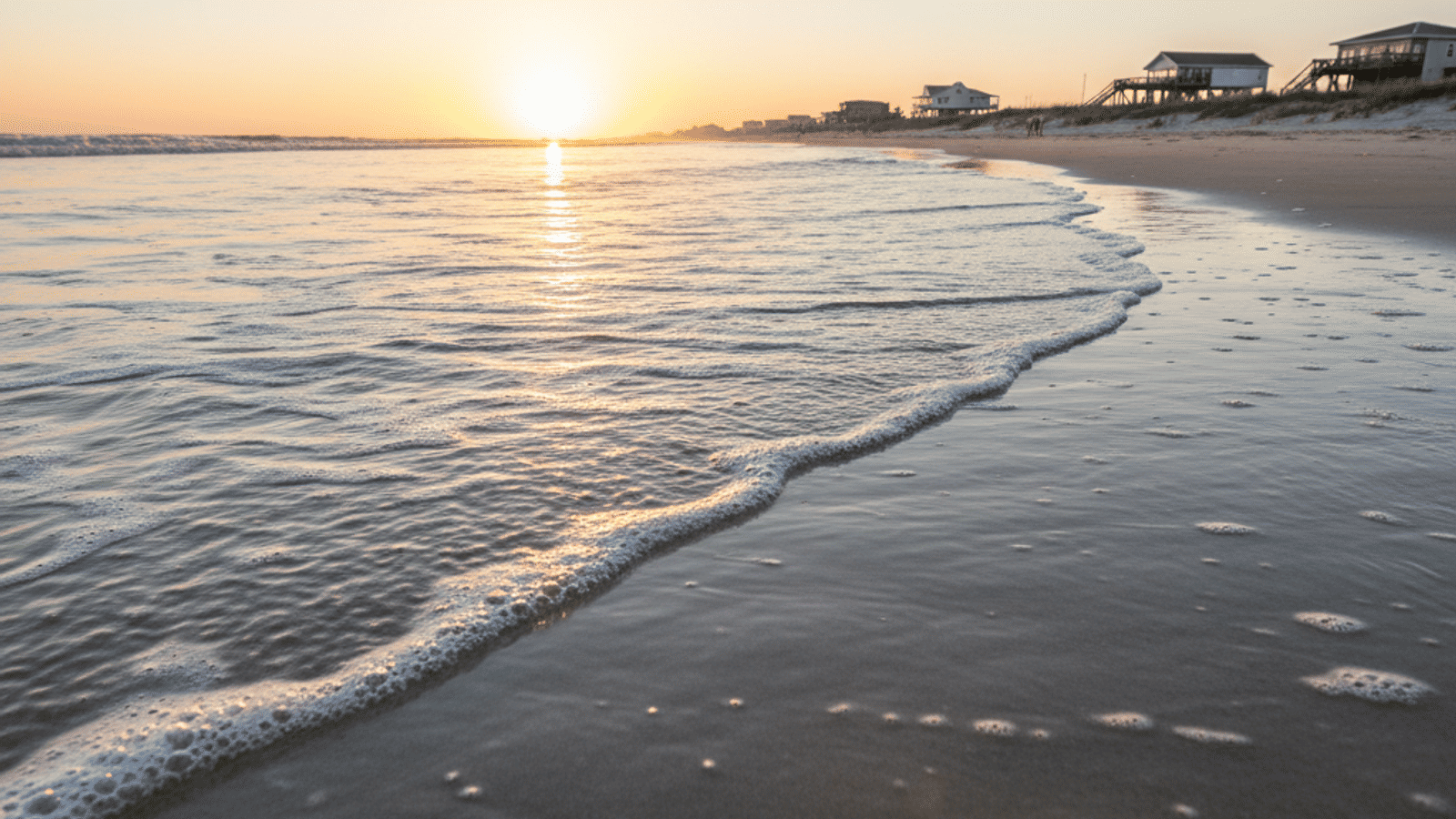
When people start looking at the Texas Gulf Coast, they usually land on two main options pretty quickly: Galveston and Surfside Beach. On a map, they look like neighbors—and they are—but the lifestyle, real estate market, and day-to-day vibe couldn't be more different.
Choosing between them isn't just about picking a house; it's about picking the pace of life you want. Galveston is a bustling, historic resort city with full-scale infrastructure, hospitals, and tourism. Surfside Beach, on the other hand, is exactly what it sounds like: a small, rustic village where the main attraction is the sand, the surf, and the fact that you can leave the city noise behind.
Whether you are looking for a full-time residence or considering Texas coastal living for a vacation property, understanding these differences is critical. I talk to buyers all the time who think they want the quiet of a village until they realize how far the grocery store is, and others who think they want the city action until they get stuck in Seawall traffic. Let's break down the numbers and the nuance so you can decide which spot feels like home.
Vibe and Lifestyle: City Amenities vs. Village Charm
The biggest shock for new buyers is often just how "urban" Galveston feels compared to the raw, unpolished nature of Surfside.
In living in a city that happens to be on an island, you have the historic downtown Strand district, Victorian architecture that rivals New Orleans, and a constant calendar of events like Mardi Gras and the Dickens on the Strand festival. It is vibrant and walkable in many areas, but it also comes with noise. You have cruise ship traffic, tourists filling the restaurants on weekends, and a general hum of activity.
Surfside Beach is the flip side of that coin. It is dominated by raised "stilt" houses, fishing culture, and a very laid-back attitude. There are no high-rises blocking the view here. It’s the kind of place where locals drive golf carts to the convenience store and bonfires on the beach are the main form of nightlife. During the week, it can be incredibly quiet—almost sleepy.
However, don't assume Surfside is empty. The "Tourist Factor" is real in both locations. Galveston attracts millions of visitors year-round for conferences and holidays. Surfside is heavily seasonal; it gets packed on summer weekends with day-trippers from Houston and surfers chasing waves, but it thins out significantly when the weather cools down.
Real Estate Market Comparison
When you dig into the inventory, you'll see why comparing prices here is tricky.
Galveston has a massive variety of housing stock. You can find a $200,000 bungalow behind the Seawall that needs work, a $400,000 mid-rise condo, or a $2 million beachfront estate on the West End. Because there are so many older, inland homes, the median price in Galveston often looks lower—around $335,000 recently. But that number is skewed by small inland properties. If you want a move-in ready vacation home with a view, you are looking at a much higher price point.
Surfside Beach inventory is more uniform. It is almost exclusively raised cottages and modern beach houses on pilings. The market here is smaller and tighter. The median sale price hovers around $360,000, but that reflects the fact that almost every house is within walking distance of the water. You generally get more "beach house" for your money here compared to Galveston's sought-after West End, but you don't get the historic character.
If you are thinking about buying a beach house in Texas for investment purposes, your goals matter here. Galveston offers true year-round rental potential because of the convention center and cruise terminal. Surfside is a powerhouse for summer rentals, but vacancy rates climb in the winter months.
Cost of Living and Ownership Expenses
The purchase price is just the entry fee. The real cost of owning on the coast comes down to insurance, taxes, and daily logistics.
Let's talk about the elephant in the room: Insurance. Both locations require windstorm insurance (usually through TWIA) and flood insurance. However, Surfside's geography makes this trickier. Surfside is a barrier island village where almost every property is in a high-risk flood zone (VE or AE). While the homes are elevated, premiums can still be steep. Galveston has areas behind the Seawall (Zone X) where flood insurance is significantly cheaper, though you still have to budget heavily for wind coverage.
Taxes and utilities are generally comparable, though you need to watch out for specific MUD (Municipal Utility District) or PID (Public Improvement District) taxes in newer developments in both areas.
Where you really see a difference in your wallet is daily expenses. Galveston has big-box infrastructure. You have a massive H-E-B, Walmart, Home Depot, and plenty of competitive gas stations. In Surfside, you are paying for convenience. Locals often drive 15 to 20 minutes inland to Lake Jackson for major grocery hauls. If you stay on the island, you are paying premium prices at small convenience stores or driving extra miles, which adds to your fuel budget over time.
Investment Potential: Short-Term Rental Regulations
If you are looking at investing in Galveston property or Surfside for cash flow, you need to know the rules of the road.
Galveston has a mature, strictly regulated short-term rental market. You are required to register your rental annually (fees are currently around $250/year), pay Hotel Occupancy Taxes (HOT) monthly or quarterly, and most importantly, you must have a local contact available 24/7 to handle noise complaints. Some HOAs, specifically in the condos along the Seawall or certain residential neighborhoods, have banned short-term rentals entirely, so you have to check the deed restrictions carefully.
Surfside Beach is culturally very friendly to rentals—it's the lifeblood of the local economy. Permits are still required, but the vibe is less "regulatory crackdown" and more "manage the chaos." However, the market is competitive. Because Surfside is smaller, a new wave of inventory can dilute rental rates quickly.
Demand is the main differentiator. Galveston has steady demand from wedding guests, conference attendees, and holiday travelers. Surfside is peak-summer focused. You make the bulk of your income between Memorial Day and Labor Day.
Beaches, Nature, and Things to Do
This is usually the tie-breaker for buyers: Do you want to drive on the beach?
Surfside Beach is famous for its drive-on access. You buy an annual permit, load up the truck, and park right near the water. This is a huge draw for fishermen, surfers, and people who hate lugging coolers over dunes. The downside is that you have vehicle traffic near where you are swimming. The water here is often slightly deeper closer to shore, making it the go-to spot for Texas surfers.
Galveston restricts beach driving to specific pockets on the far West End. Along the famous Seawall, you are parking on the street and walking down. The trade-off is amenities. Galveston has the Pleasure Pier, Moody Gardens, Schlitterbahn, and museums. If you get rained out, there is still plenty to do. In Surfside, if it rains, you are pretty much sitting on your deck or driving to the mall in Lake Jackson.
A note on the water: Whether you are in Galveston or Surfside, the water color varies. It depends on the currents from the Mississippi and Brazos rivers. Both can have days of "Texas Tea" (brownish water) and days of beautiful green-blue water. Neither is the Caribbean, but Surfside locals often claim their water clears up a bit faster.
Commute and Access to Major Hubs
If you need to commute to Houston or access major medical care, logistics matter.
From Galveston: You are relying on I-45. Without traffic, you can get to Downtown Houston in about 50 to 60 minutes. However, on a summer Sunday afternoon, that drive can easily double as everyone tries to leave the island at once. A major advantage for Galveston is healthcare. The University of Texas Medical Branch (UTMB) is a Level 1 Trauma Center located right on the island. For retirees or those with health concerns, this is often the deciding factor.
From Surfside: You will take Highway 332 to Highway 288. It's an easier commute if you work in the industrial hubs of Lake Jackson. Getting to Downtown Houston takes a bit longer—usually about an hour and 15 minutes. The closest major hospital is in Lake Jackson, which is a 15-20 minute drive away.
Pros and Cons for Different Buyers
To wrap this up, let's look at who fits best where.
Full-Time Residents usually lean toward Galveston. The access to top-tier healthcare, diverse schools, and major grocery stores makes daily life easier. You don't have to leave the island for anything.
Vacation Buyers looking for that classic "beach shack" experience often prefer Surfside. It offers a true escape from city concrete. You can walk barefoot to the jetty, fish in the surf, and ignore your email.
Investors are split. If you want year-round stability and don't mind strict regulations, check out the Galveston real estate market trends. If you want a high-yield summer rental and lower entry prices for beachfront property, Surfside is a strong contender.
Frequently Asked Questions
Is Surfside Beach cheaper than Galveston?
Strictly speaking, Surfside often has a higher median price per square foot for entry-level homes because almost everything is "beachside." Galveston appears cheaper on paper because it has older, inland homes for sale, but comparable beachfront properties in Galveston are usually more expensive than in Surfside.
Can you drive on the beach in Galveston vs. Surfside?
You can drive on the majority of the beach in Surfside with an annual permit. In Galveston, driving on the beach is prohibited along the entire urban core and Seawall; it is only allowed in specific designated areas on the far West End.
Which area has better schools, Galveston or Surfside?
Galveston is served by Galveston ISD and has several magnet programs and charter options on the island. Surfside Beach is part of Brazosport ISD; students generally travel inland to Clute or Lake Jackson for middle and high school, which is a consideration for full-time residents with children.
Is flood insurance more expensive in Surfside or Galveston?
Flood insurance tends to be more complex and costly in Surfside because the entire village is a low-lying barrier formation in high-risk zones (VE/AE). Galveston has areas protected by the Seawall (Zone X) where flood insurance rates are significantly lower, though West End properties in Galveston face similar rates to Surfside.

April Aberle
REALTOR ® | Mortgage Originator | Homes for Heroes Affiliate | April Aberle | REMAX Crossroads Realty
or another way