
Categories
Texas CityPublished May 28, 2026
Moving to the Gulf Coast: A 2026 Guide to Living in Texas City, TX

Evaluating a relocation to the Gulf Coast often leads buyers directly to Galveston County. Those considering living in Texas City, TX will find a community defined by its deepwater port, industrial roots, and extensive waterfront access. The area provides a distinct, practical alternative to the dense urban core of Houston.
Making a move in 2026 requires a clear understanding of regional commuting patterns and housing expenses. This city balances robust local employment opportunities with a housing market that consistently prices below the national average. Buyers and renters alike can navigate a landscape of established neighborhoods and modern commercial developments.
Geographic Overview of Texas City, TX
Situated on the southwest shoreline of Galveston Bay, the city occupies a strategic position along the TX coastline. The landscape is heavily influenced by its proximity to the water and its long-standing status as a major deepwater port. This coastal geography creates a unique blend of heavy industrial zones alongside expansive waterfront recreation areas.
Residents experience a typical Gulf Coast climate, featuring warm, humid summers and notably mild winters. The weather patterns allow for year-round outdoor activities, though the coastal location does require standard hurricane preparedness. The clear takeaway for newcomers is that the immediate bay access heavily shapes both the local economy and the daily lifestyle.
Texas City Real Estate Market Breakdown
The local housing market provides a compelling financial advantage compared to the broader Houston metropolitan area. Housing expenses remain the primary driver of the lower overall cost of living found within the city limits. Buyers entering the market this year will discover a practical mix of mid-century construction and newer residential developments.
Navigating the local Multiple Listing Service reveals inventory that caters to various budgets and space requirements. The real value in this market lies in the ability to secure substantial square footage without the premium price tags seen in adjacent coastal towns. This pricing structure makes the city a highly practical entry point for those relocating to Galveston County.
Median Home Prices and Property Types
As of May 2026, the median home price sits at approximately $285,000. This figure represents a highly accessible price point for buyers looking to purchase detached single-family homes. Many of the newer subdivisions include Homeowners Association options that manage shared neighborhood amenities.
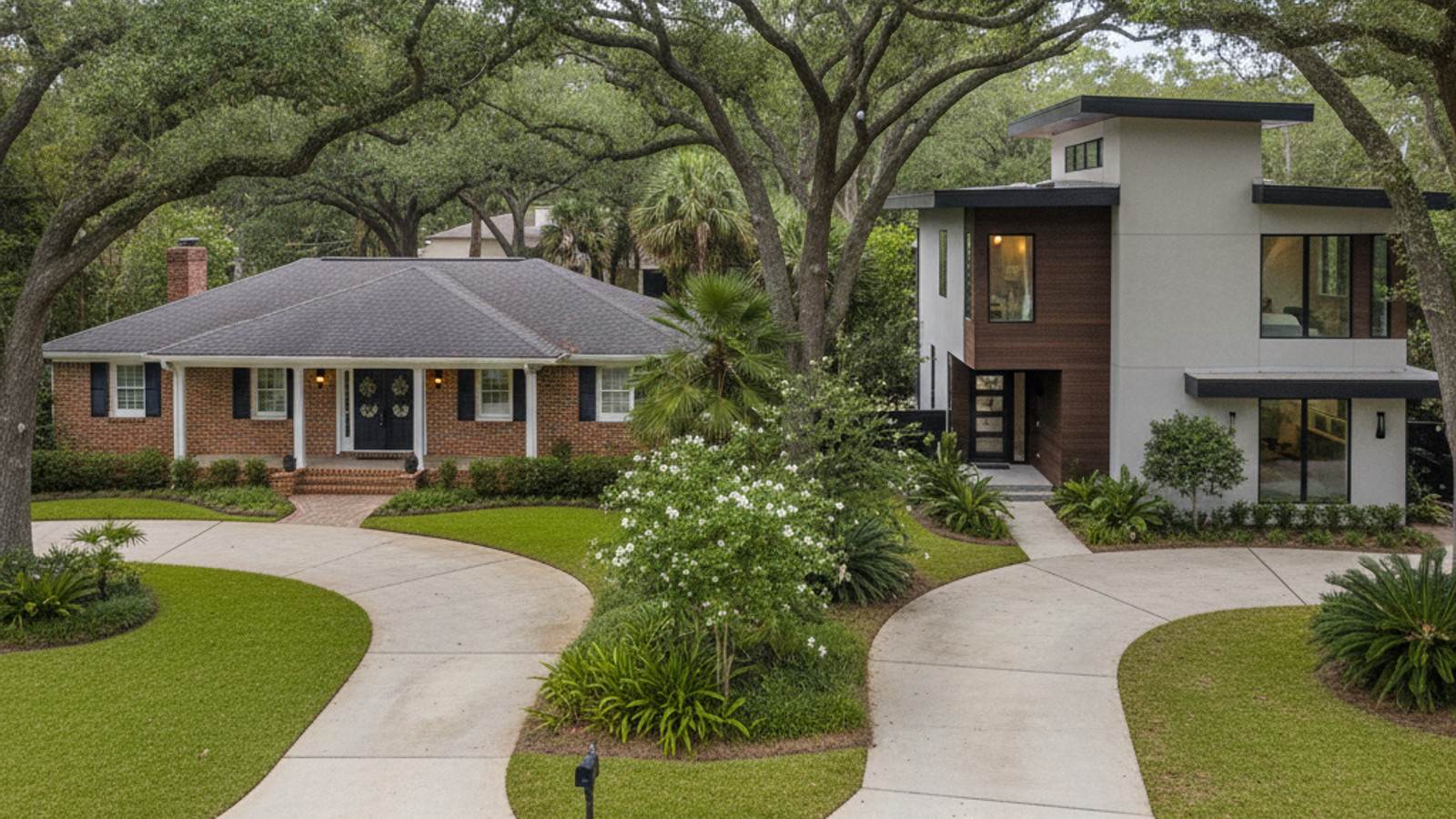
The residential inventory consists largely of traditional brick-veneer homes, ranch-style layouts, and multi-story contemporary builds. Buyers can expect variations in lot sizes depending on the age of the neighborhood. Securing a property at this median price often yields three to four bedrooms and an attached two-car garage.
Average Rent and Leasing Options
The rental market provides flexible entry points for new residents who want to learn the area before purchasing. Monthly leasing costs remain competitive, allowing renters to find quality units near major transit routes. Current availability includes several distinct housing styles:
- One-bedroom apartments generally range from $1,000 to $1,200 per month, depending on the complex amenities.
- Two-bedroom units typically lease for $1,300 to $1,500, offering additional space for home offices or roommates.
- Single-family rental homes are also available, usually commanding higher monthly rates in exchange for private yards and garages.
Transportation Infrastructure and Commuting
Navigating the region requires a clear understanding of the local road networks and highway systems. The city is fundamentally car-dependent, making reliable personal transportation a necessity for daily errands and employment access. Interstate 45 serves as the primary artery connecting the community to the rest of the state.
Local traffic flows smoothly within the city limits, with major thoroughfares moving vehicles efficiently between residential and commercial sectors. The strategic placement of state highways allows residents to bypass heavy industrial traffic near the port. The most critical takeaway for commuters is to factor peak travel hours into any housing decision near the interstate.
Commute Times to Houston and Galveston
Driving to downtown Houston covers approximately 42 miles of highway travel. Under standard conditions, this commute takes roughly 45 to 60 minutes. Rush hour congestion on Interstate 45 can easily extend these travel times, requiring commuters to plan their morning departures carefully.
Traveling south to Galveston presents a much shorter trip of about 15 to 17 miles. This drive generally takes 25 to 30 minutes, providing quick access to the island's beaches and historic districts. The predictable travel time to the island makes it a frequent destination for weekend outings.
Local Amenities and Outdoor Recreation
The municipal boundaries enclose a wide variety of retail centers, dining establishments, and public green spaces. Daily shopping needs are easily met by commercial corridors featuring major grocery chains and local specialty stores. The dining scene leans heavily into coastal influences, offering numerous seafood options alongside traditional Texas barbecue.
The true highlight of the local lifestyle is the extensive focus on coastal access and public parks. The municipal government maintains numerous facilities designed to maximize the waterfront geography. For anyone moving here, the direct access to Gulf Coast waters is the defining recreational advantage of the city.
Texas City Dike and Bay Street Park
Two prominent outdoor features anchor the community's recreational offerings. These locations provide distinct environments for fitness, fishing, and outdoor gatherings:
- The Texas City Dike extends 5.3 miles into Galveston Bay and is widely recognized as the longest man-made fishing pier in the world.
- Bay Street Park encompasses 45 acres of green space, featuring extensive walking trails, a modern playground, and a splash pad.
- The park also includes a well-maintained disc golf course that draws players from across the county.
Community Infrastructure and Services
A strong network of institutional services supports the daily operations of the municipality. The city operates with a highly self-contained infrastructure, meaning residents rarely need to travel to neighboring towns for essential services. This includes comprehensive utility management, emergency response networks, and public administration facilities.
Educational and medical facilities form the backbone of this local infrastructure. The presence of established public school systems and major healthcare centers provides stability for the local real estate market. The objective takeaway is that the city is fully equipped to handle the long-term needs of its growing population.
Texas City ISD and Higher Education
The Texas City Independent School District serves as the primary public education system for the area. The district operates numerous elementary, middle, and high school campuses distributed throughout the residential zones. These facilities provide a standardized curriculum and extensive extracurricular programs.
For higher education, the College of the Mainland is centrally located within the city limits. This institution offers associate degrees, technical certifications, and continuing education courses. The campus acts as an important workforce training hub for the surrounding industrial and medical sectors.
Nearby Healthcare Facilities
Access to immediate medical care is anchored by HCA Houston Healthcare Mainland. Located on the Emmett F. Lowry Expressway, this primary medical facility handles a high volume of regional patient needs. The hospital provides comprehensive emergency services, surgical care, and specialized treatment departments.
Having a major hospital directly within the city limits significantly reduces travel times during medical emergencies. It also supports a surrounding network of private clinics, pharmacies, and specialized physical therapy centers. This concentration of medical infrastructure is a major practical benefit for all residents.
Frequently Asked Questions
What is the cost of living in Texas City, TX?
The cost of living here falls notably below the national average, primarily due to accessible housing expenses. Residents benefit from median home prices around $285,000 and lower everyday service costs. This financial dynamic makes it one of the more economical options along the Texas Gulf Coast.
How far is Texas City, TX from Houston?
The city is located approximately 42 miles southeast of downtown Houston. Driving between the two cities typically takes 45 to 60 minutes via Interstate 45. Heavy traffic during standard commuting hours will extend this travel time significantly.
What is Texas City known for?
The area is globally recognized for its massive deepwater port and extensive petrochemical industrial roots. Recreationally, it is famous for the Texas City Dike, which stretches 5.3 miles into the bay. This structure currently holds the title of the longest man-made fishing pier in the world.
What are the local property types in Texas City?
The local real estate inventory consists primarily of detached single-family homes. Buyers will find a mix of mid-century brick-veneer properties and newer contemporary builds within HOA-managed subdivisions. The rental market also provides numerous one- and two-bedroom apartment complexes.
|


or another way