
Categories
Texas CityPublished June 3, 2026
Moving to Texas City, TX: What Buyers Should Know in 2026

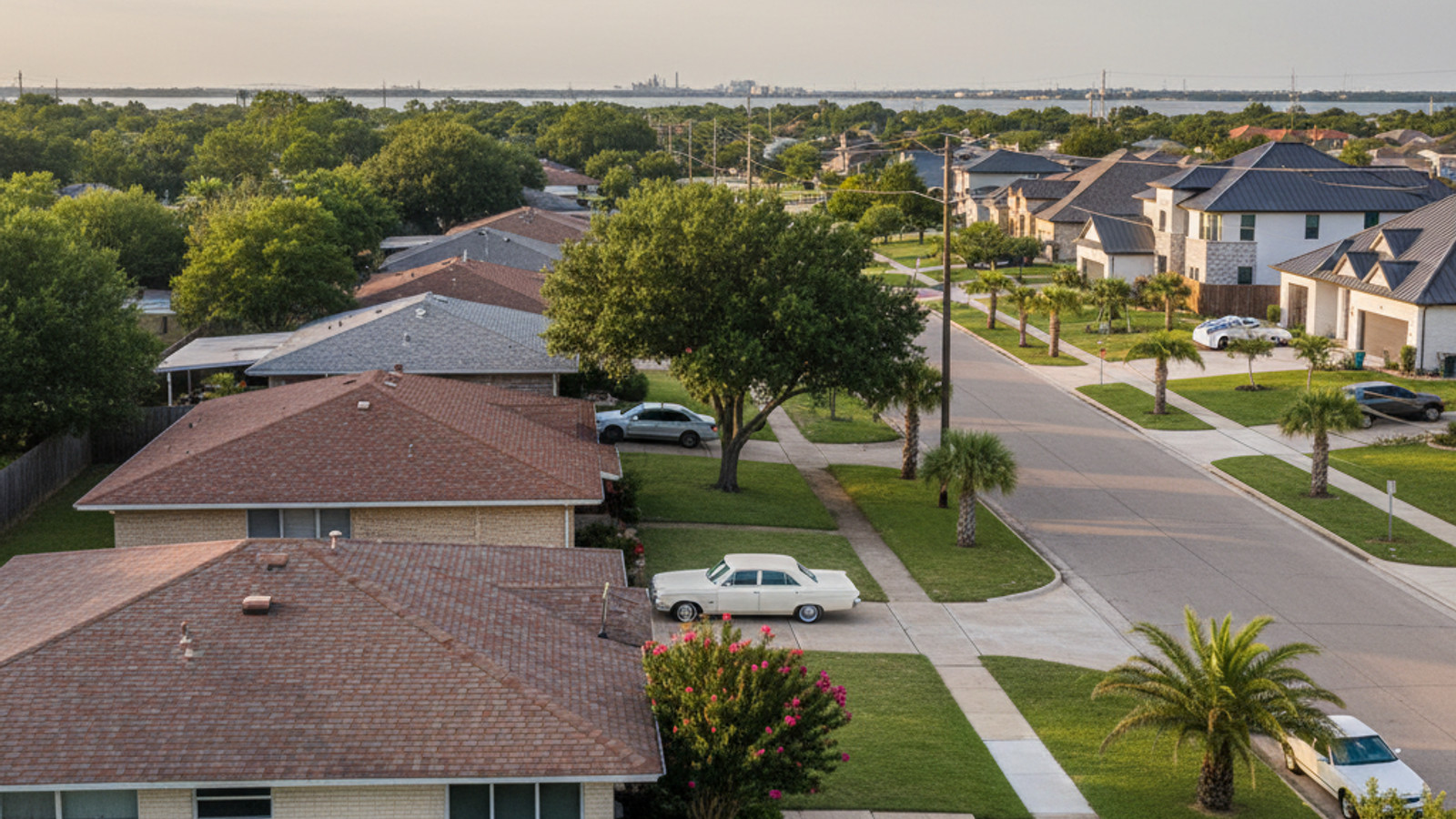
Located along the Gulf Coast in Galveston County, Texas City offers a balance of industrial job centers and coastal living. The city sits about 40 miles south of downtown Houston and 15 miles north of Galveston. This positioning gives residents direct access to major employment hubs while keeping the beach within a short drive.
Home prices here generally fall below the national average and run lower than many surrounding Houston suburbs. Buyers looking for waterfront recreation and straightforward highway access often focus their search on this stretch of the coast. The local economy relies on major port operations, refineries, and maritime logistics, providing steady regional employment.
Real Estate and Housing Costs
The median home price in Texas City sits between $280,000 and $320,000 as of early 2026. Buyers can find more purchasing power here compared to central Houston or the master-planned communities of nearby League City. The housing inventory includes a mix of mid-century single-family homes, new construction subdivisions, and coastal properties near Galveston Bay.
The rental market also provides options for those wanting to learn the area before buying a home. Typical monthly rents run lower than the Houston metro average, though rates vary based on proximity to the water. Property taxes in Texas are generally high, so buyers should calculate these into their monthly payment estimates.
Buyers interested in waterfront living often look toward the eastern edge of the city. Newer developments continue to expand the residential footprint, offering modern floor plans and community amenities. Flood insurance is a reality for many properties in this zip code, and buyers should ask for elevation certificates during the inspection period.
Local Schools and Education
The Texas City Independent School District (TCISD) operates 14 schools serving the local population. The district features specialized facilities like the Marathon STEM/Robotics Center, which focuses on technology and engineering education. For younger children, the Calvin Vincent Early Childhood Center is dedicated entirely to three- and four-year-old students.
High school students have access to the Industrial Trades Center, which provides vocational training in maritime and manufacturing fields. This aligns directly with the major employers operating at the port and nearby refineries. Graduates can earn certifications that translate immediately into the local workforce.
Higher education is available locally through the College of the Mainland. The campus offers associate degrees, adult education programs, and technical certifications. This institution serves as a primary training hub for residents across Galveston County.
Commute Times and Transportation
Daily travel in this region revolves around Interstate 45, the primary corridor connecting Houston to the Gulf Coast. A standard commute from Texas City to downtown Houston takes about 40 to 45 minutes under normal conditions. Driving south to Galveston Island takes roughly 20 to 30 minutes, depending on the time of day.
Traffic volume increases during standard morning and evening rush hours, particularly near major refinery exits and the bridge to Galveston. Ongoing highway construction projects along I-45 frequently alter lane patterns and speed limits. Commuters should check local traffic updates before leaving, as accidents on the interstate can cause extensive delays.
Public transit options are limited, making a personal vehicle a necessity for most residents. The city's layout spreads out over 60 square miles, requiring a car for daily errands and trips to nearby retail centers like the Tanger Outlets.
Parks, Recreation, and Healthcare
The Texas City Dike extends over five miles into Galveston Bay and ranks as the longest man-made fishing pier in the world. Residents use the dike daily for fishing, boating, and watching ships enter the Houston Ship Channel. Access is free for residents who obtain a local decal, while visitors pay a fee during peak times.
Beyond the water, the city maintains several green spaces, including Bay Street Park. This park features walking trails, event spaces, and historical markers overlooking the bay. It serves as a central gathering point for community festivals and outdoor recreation throughout the year.
For medical care, HCA Houston Healthcare Mainland provides comprehensive services directly within the city limits. The facility includes an emergency department, surgical centers, and specialized care units. Having a major hospital nearby reduces the need to travel to the Houston Medical Center for routine or urgent medical attention.
Weather Preparedness and Local History
Living on the Gulf Coast means preparing for tropical cyclones and severe weather. The city is protected by a 14-mile seawall system designed to mitigate storm surge from Galveston Bay. Homeowners should maintain active windstorm and flood insurance policies, as standard home insurance does not cover these events.
Municipal authorities maintain clear evacuation protocols during hurricane season. Interstate 45 serves as the designated evacuation route for Galveston County, and residents must follow local emergency declarations when a major storm approaches. Understanding these routes is a basic requirement for anyone relocating to the shoreline.
The area also holds historical significance, which is documented at the Texas City Museum. Exhibits cover the 1947 Texas City disaster, a massive industrial explosion that reshaped the town's safety regulations and development. Learning about this event provides context for the strong community spirit and resilience that define the city today.
Frequently Asked Questions
Is Texas City a good place to live?
Texas City offers a practical lifestyle with immediate access to waterfront recreation and major employment sectors. The cost of living remains lower than many coastal Texas towns, leaving more room in the budget for housing and leisure. Residents benefit from straightforward highway access to both Houston and Galveston.
Why are houses so cheap in Texas City?
The local real estate market reflects the city's large-scale industrial and manufacturing roots, which historically kept land prices lower than central Houston. Available land for new construction also prevents the severe inventory shortages seen in other Galveston County suburbs. Buyers can secure a single-family home here for roughly $300,000, well below the national average.
What is the cost of living in Texas City, TX?
Everyday expenses like groceries, utilities, and transportation align closely with the Texas state average. The primary financial advantage comes from housing costs, which sit lower than the Houston-Galveston metro area median. Residents should factor in the cost of wind and flood insurance, which adds to the annual carrying cost of a home.
|


or another way