
Categories
Texas CityPublished July 5, 2026
How to Build Pricing Strategies for Homes in Texas City, TX

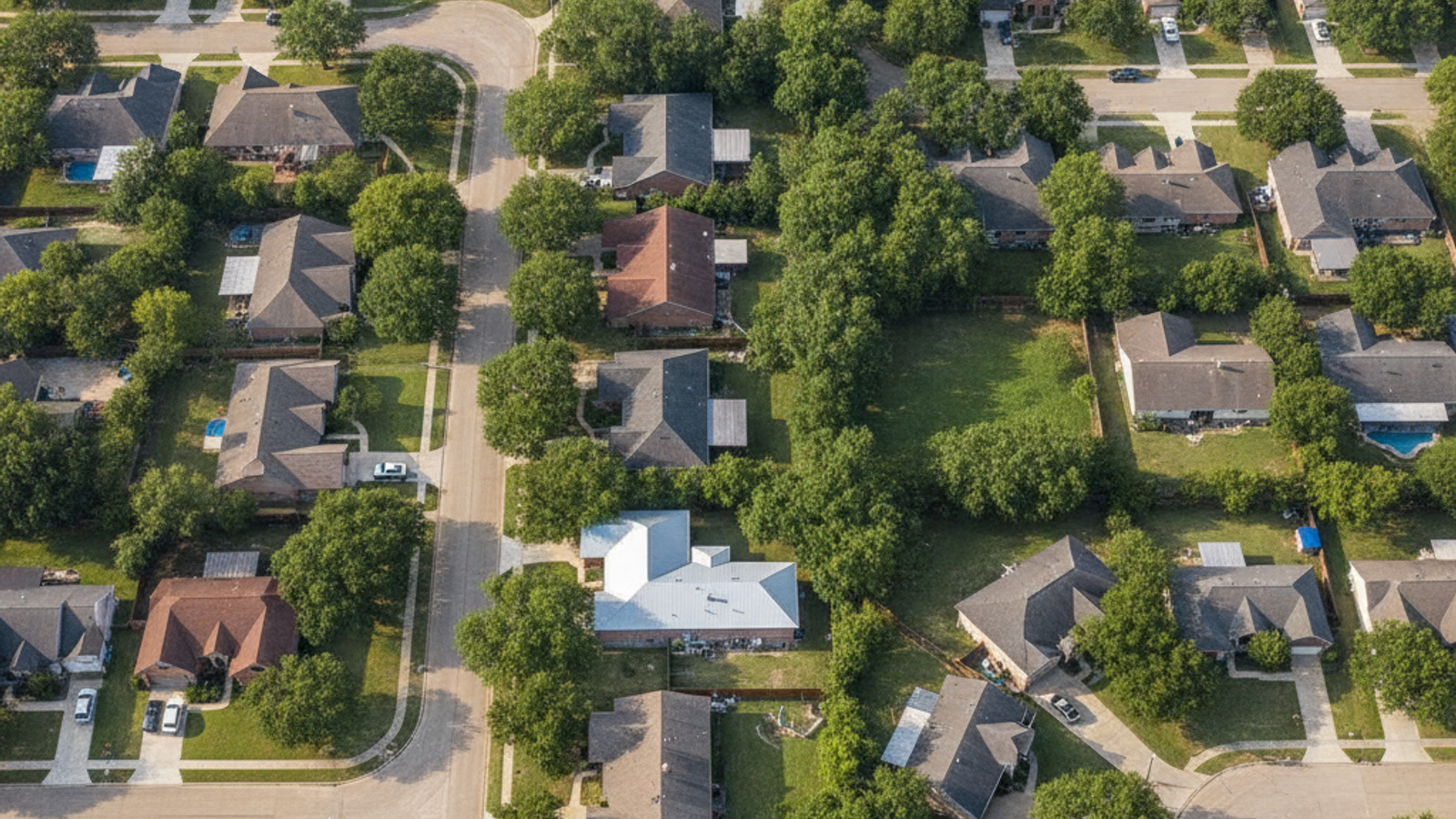
The median sale price for properties in Texas City, TX currently sits around $275,590. Setting the right asking price requires analyzing local market conditions, neighborhood features, and recent sales data to find the number that attracts buyers without leaving money on the table. Working with the best real estate agent in Texas City, TX helps you interpret this data correctly.
Buyers have specific budgets, and homes that sit on the market often do so because the list price does not match the property's value. Sellers looking to maximize their return should evaluate their timeline, financing options, and the competition before putting a sign in the yard.
How the Local Real Estate Market Affects Your Asking Price
As of mid-2026, homes in Texas City are spending roughly 72 days on the market before closing. With an active inventory of about 326 available homes, buyers have plenty of options to compare. A higher supply of homes means sellers compete directly on price and condition to attract offers.
The average sale-to-list ratio is hovering around 96.2%, meaning most properties are closing slightly below their initial asking price. Sellers should factor this into their plans when deciding how much room to leave for negotiation. Pricing a house too high out of the gate often leads to extended market times and eventual price drops.
Running a Comparative Market Analysis on Your Property
A comparative market analysis looks at similar properties that sold within a one-mile radius over the last 90 days. This process establishes a baseline value for your listing by comparing total square footage, bedroom counts, and lot sizes. Appraisers and buyer agents use this exact method to determine if a home is priced correctly.
Active listing prices show what other sellers hope to get, but closed sale prices prove what buyers are willing to pay. Sellers should also account for specific property features like levee protection, access to city water, or a nearby boat ramp. Homes with these upgrades often command a premium over standard neighborhood sales.
Local Factors That Influence Property Values
Commute times and regional geography play a direct role in what buyers offer for a home in Texas City. Interstate 45 provides a 40-minute drive north to Houston and a 20-minute trip south to Galveston Island. Properties closer to major transit routes or large employers like the Port of Texas City often see steady demand.
Zoning for the Texas City Independent School District affects the baseline value of homes within its boundaries. Buyers also look at proximity to recreation, such as Bay Street Park or the Texas City Dike, which extends 5.3 miles into Galveston Bay. Access to these local features, along with nearby healthcare facilities, helps justify a higher asking price.
Common Home Pricing Methods for Sellers
Listing a property slightly below market value is a common method used to generate multiple offers quickly. This approach attracts buyers searching in lower price tiers and can lead to competing bids that drive the final number up. Conversely, pricing right at exact market value targets standard buyers using traditional financing who want a fair deal without a bidding war.
Sellers should decide how much margin to build into their list price for seller concessions or repair credits. Buyers frequently ask for closing cost assistance, and having a buffer allows the seller to agree without cutting into their bottom line. Some property owners also use a flat-fee MLS service to pay a fixed upfront charge rather than a percentage-based commission, which changes their net profit calculations.
When to Adjust Your Listing Price
A standard threshold for reviewing a home's price is 14 to 21 days of active market time with no offers. Monitoring buyer feedback after property showings helps identify if the asking price is the main obstacle. If multiple buyer agents report that the home is overpriced compared to similar listings, a reduction may be necessary.
Lowering the price aligns the property with current consumer expectations and brings it into new search brackets on public MLS feeds. A price drop triggers alerts on real estate websites, putting the home back in front of buyers who previously scrolled past it. Sellers should make one meaningful reduction rather than a series of small cuts that signal desperation.
Frequently Asked Questions
How do Texas City Independent School District zones affect home values?
School district boundaries dictate where residents attend classes, and homes zoned to specific campuses often hold different baseline values. Buyers frequently filter their property searches by these zones. Checking recent sales data within the exact same school boundaries provides the most accurate pricing baseline.
What is a flat-fee MLS listing in Texas City, Texas?
A flat-fee MLS listing allows a seller to pay a set upfront charge to place their home on the local multiple listing service. This bypasses the traditional percentage-based listing commission while still syndicating the property to major real estate websites. Sellers using this method manage their own showings, negotiations, and pricing updates.
Should I price my home below market value to start a bidding war in Texas City?
Pricing below market value can attract more showings, but it does not guarantee a bidding war. With the current average sale-to-list ratio around 96.2%, many buyers are negotiating prices down rather than bidding them up. Sellers should consult recent neighborhood sales to see if local demand supports this method.
How do I conduct a Comparative Market Analysis for my property in Texas City, TX?
You pull data for similar homes within a one-mile radius that sold over the last 90 days. Compare the square footage, lot size, and condition of those sold properties against your own. Adjust your baseline value up or down based on specific differences like a newer roof or a larger garage.
How many weeks should my house sit on the Texas City market before I drop the asking price?
Sellers should evaluate their listing price after 14 to 21 days with no offers. Texas City homes are currently averaging about 72 days on the market from listing to closing. If you have steady showings but no contracts, the market is signaling that the price is too high.
Will being in a Texas City flood zone force me to lower my home's listing price?
Properties located in high-risk flood zones require buyers to purchase flood insurance, which adds to their monthly carrying costs. This extra expense often means buyers will offer less to keep their total housing budget intact. Sellers should review comparable sales of other homes in the same flood zone to set an accurate price.

April Aberle
REALTOR ® | Mortgage Originator | Homes for Heroes Affiliate | April Aberle | REMAX Crossroads Realty
or another way