
Categories
Vacation Rentals and STRsPublished April 21, 2026
Is Buying a Vacation Rental in Galveston, TX a Smart Move Right Now?

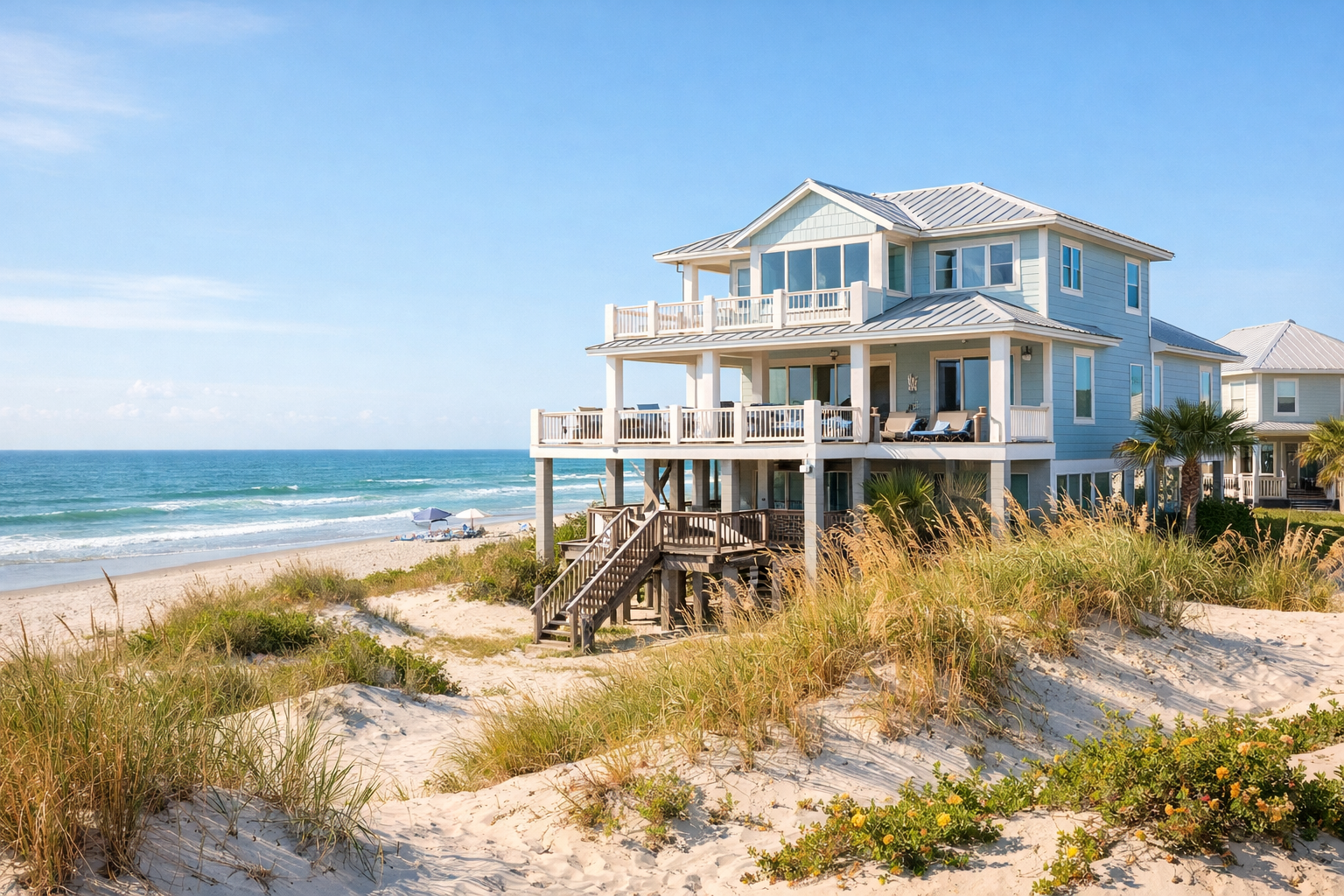
Should You Buy a Vacation Rental in Galveston, Texas?
Buying a vacation rental in Galveston can make sense if you buy for the right reason, in the right location, and with conservative numbers. The opportunity is real, but so are the risks: insurance, storm exposure, flood zones, local short-term-rental compliance, and uneven seasonality. If you want a beach property that also needs to perform financially, Galveston and nearby areas can work well—but only when you underwrite them as coastal hospitality assets, not as ordinary rentals.
Should I buy a vacation rental in Galveston TX?
- Yes, if you want both personal use and income, and the property still works after insurance, taxes, management, and maintenance.
- No, if you are depending on aggressive occupancy assumptions or thin margins to justify the purchase.
- Galveston proper usually offers stronger year-round demand drivers than many smaller beach areas.
- Nearby areas like Jamaica Beach and Crystal Beach can be appealing, but they serve slightly different guest expectations and ownership styles.
- Your success will depend more on regulation, carrying costs, and property selection than on the general idea of “buying near the beach.”
A lot of buyers ask this question as if Galveston is either a great investment or a bad one. That is usually the wrong lens. The better question is whether a specific property, in a specific pocket of the market, fits your goals. A vacation rental is not just real estate. It is a small operating business layered on top of real estate.
That distinction matters. A long-term rental can survive average finishes, basic management, and modest demand. A short-term vacation rental usually cannot. Guests compare your property against every other listing in the market in real time. Your reviews, cleaning standards, amenities, photography, booking policies, storm readiness, and response speed all affect performance.
Galveston has real strengths. It benefits from beach demand, regional drive-in traffic, major attractions, and a large tourism economy. That gives you a broader visitor base than many smaller coastal markets. But buyers still make mistakes here when they focus too much on the dream and not enough on the operating math.
Why Galveston attracts vacation-rental buyers in the first place
The case for Galveston starts with demand diversity. You are not relying on one single traveler type. Some guests come for the beach. Others come for family trips, weekend getaways, events, fishing, cruises, or seasonal tourism. That matters because diversified demand can make a market more resilient than a destination that depends on one narrow travel pattern.
You also have multiple submarkets to choose from. Galveston proper can appeal to buyers who want easier access to restaurants, attractions, the Seawall, and cruise activity. West-end pockets may feel more residential and beach-oriented. Jamaica Beach can attract guests looking for a quieter coastal stay with a more neighborhood-style feel. Crystal Beach and Bolivar Peninsula often appeal to buyers prioritizing beach-house inventory, drive-on-beach culture, and a different guest experience than central Galveston.
That is why there is no one-size-fits-all answer. A condo near activity centers may fit one buyer. A larger beach house in a quieter area may fit another. The right choice depends on whether you care most about personal use, gross revenue potential, lower operational complexity, or guest appeal to a specific audience.
If you are a buyer, this is where discipline starts. Do not buy “Galveston.” Buy a business model. Decide whether you want couples, families, cruise-night guests, group travelers, or repeat beach-house visitors. Then buy the location and property type that serve that customer best.
What can go wrong if you buy the wrong vacation rental
The biggest mistake buyers make is underwriting a coastal short-term rental like a simple appreciation play. They assume rent will be strong because the area is popular. Popular is not enough. You need enough revenue to cover financing, property taxes, utilities, cleaning, consumables, maintenance, reserves, management, platform fees, insurance, and storm-related wear.
On the Texas coast, insurance deserves extra attention. Windstorm and hail coverage can be a major part of the ownership equation, and some coastal owners may need to explore Texas Windstorm Insurance Association options when standard market coverage is limited. Flood risk is also not theoretical in Galveston County. You need to know the property’s flood zone, elevation profile, storm exposure, and mitigation features before you get emotionally attached.
Another common mistake is ignoring local compliance. Even if the property looks perfect online, you still need to confirm whether the city, county, HOA, condo association, deed restrictions, or building rules affect short-term rentals. A property can look like a vacation-rental winner and still be a bad buy if rental use is restricted, reporting obligations are burdensome for your setup, or the guest rules make the experience harder to operate.
Finally, many buyers underestimate management intensity. Vacation rentals are hospitality businesses. If you live out of town, your cleaner, handyman, inspector, pest vendor, and local manager become part of the asset. Weak local support turns a promising property into a stressful one very quickly.
How to decide between Galveston, Jamaica Beach, and nearby coastal areas
Start with your guest profile. If you think your ideal guest values walkability, attractions, cruise convenience, restaurants, and a wider mix of year-round demand, Galveston proper often deserves the first look. If your ideal guest wants a quieter beach-house feel, more privacy, or a slower residential setting, Jamaica Beach or the west end may fit better. If your buyer thesis centers on larger beach-house inventory and a different beach culture, Crystal Beach may be worth comparing.
Then look at the physical product. In vacation rentals, layout matters more than many buyers expect. A property with the same square footage can perform very differently depending on parking, sleeping configuration, outdoor living, storage, bathroom count, and how comfortably it serves groups. Coastal buyers also need to evaluate stairs, storm durability, maintenance surfaces, and how salt air will affect long-term upkeep.
After that, compare the operational story:
- Galveston proper: broader attraction mix, more tourism infrastructure, and strong visibility for out-of-town guests.
- Jamaica Beach: quieter, more neighborhood-oriented, appealing for guests who want a coastal retreat feel.
- Crystal Beach / Bolivar area: often more beach-house driven, with a different guest expectation and ownership rhythm.
None of those is automatically better. The winning market is the one where your purchase price, carrying costs, expected guest profile, and management plan align. A cheaper property is not safer if insurance, repairs, or weak off-season demand erase the pricing advantage. A premium property is not smarter if you need peak-season performance to survive.
Important considerations before you write an offer
Before you buy, build a checklist and force the property to pass it. That checklist should include legal use, insurance feasibility, flood-zone review, actual historical operating data if available, repair history, age of key systems, and a realistic local management plan.
Here are the questions that matter most:
- Is short-term rental use clearly allowed by the city, county, HOA, condo docs, and deed restrictions?
- What are the real insurance quotes, not the online guesses?
- What does windstorm, flood, and liability coverage cost together?
- How much deferred maintenance exists because of salt air, moisture, and storm exposure?
- How seasonal is this exact submarket and property type?
- Would the property still make sense if revenue came in below your target for a year?
- Do you have a strong local team ready before closing, not after?
Also pay attention to exit flexibility. The best vacation-rental purchases usually have more than one future use case. Maybe it can continue as a short-term rental, convert to a second home, or serve as a long-term hold depending on market conditions. Optionality matters because regulation, insurance markets, and travel demand can change.
In other words, the right Galveston-area vacation rental is not just the one that looks fun on a weekend. It is the one that still looks sensible after a conservative underwriting review. That is what separates an enjoyable asset from an expensive lesson.
FAQ
Is Galveston a good place for a first vacation rental purchase?
It can be, but only if you stay conservative. Galveston gives you real tourism demand and multiple submarkets, but coastal carrying costs are not forgiving. A first-time buyer should focus on clean regulations, manageable maintenance, and a property that does not require perfect occupancy to work.
What matters more in Galveston: location or amenities?
Location usually comes first. Amenities help you compete, but a weak location is hard to fix. Start with guest convenience, beach access, neighborhood feel, and demand drivers. Then improve the experience with design, sleeping setup, outdoor areas, and guest-friendly features.
Should I buy in Galveston proper or in nearby areas like Jamaica Beach or Crystal Beach?
Buy where your strategy makes the most sense. Galveston proper may offer broader demand and convenience. Nearby areas may better fit buyers who want a more traditional beach-house atmosphere. The better move is the one that matches your budget, target guest, and management plan.

April Aberle
REALTOR ® | Mortgage Originator | Homes for Heroes Affiliate | April Aberle | REMAX Crossroads Realty
or another way