
Categories
GalvestonPublished September 7, 2026
Understanding Weather Patterns in Galveston, TX for 2026

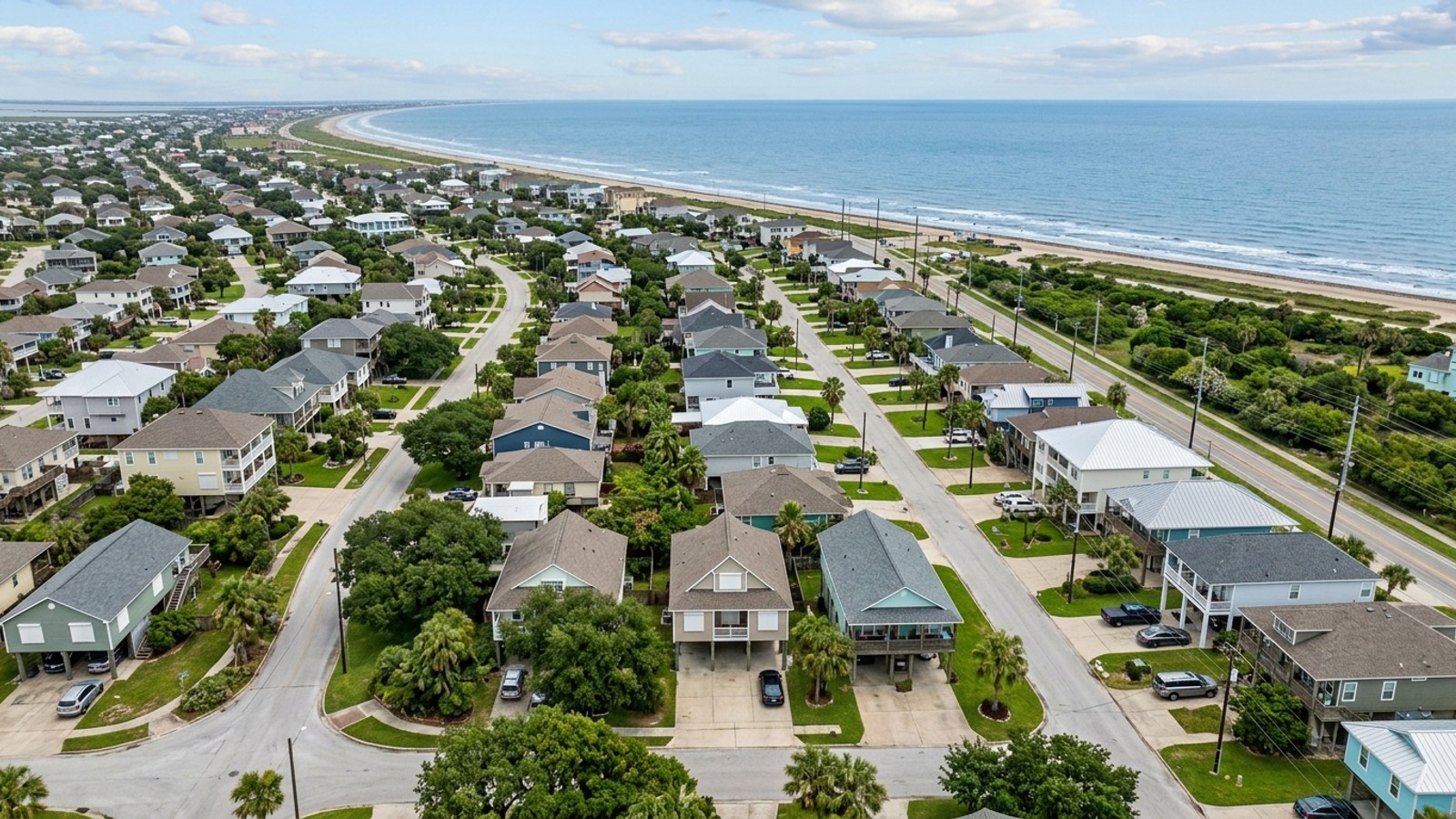
Galveston sits on a flat Gulf Coast barrier island at an average elevation of just 6 to 7 feet above sea level. That geography isn't a footnote for anyone living in Galveston, TX - it dictates everything from your morning breeze to what you'll spend on exterior paint every few years.
The island falls into the humid subtropical climate zone, officially classified as Köppen Cfa. The Gulf of Mexico is the engine behind daily temperatures and moisture levels, and right now there are roughly 1,044 homes available for buyers willing to understand what that means before they sign anything.
The Island's Seasonal Climate Profile
The annual average high temperature hovers around 77°F, which sounds pleasant until you've lived through an August here. Winters are genuinely mild, and summers are hot and humid in a way that coastal breezes soften only so much.
Galveston is part of the Greater Houston metropolitan statistical area - a 10-county region that ranks as the fifth most populous in the country. Inland Houston can trap heat with no relief, but the coastal breezes do moderate Galveston's extreme highs slightly. The Gulf moisture, though, is inescapable. Humidity is a constant, and understanding how the seasons shift helps you think realistically about utility costs and how you'll actually use the outdoor spaces you're paying for.
Spring and Fall Conditions
Spring brings the highest humidity levels of the year. May peaks at around 80% relative humidity, so the air already feels thick before summer heat even gets started.
October brings the most comfortable conditions - relative humidity drops to roughly 72%, the lowest of the year. September, by contrast, is typically the wettest month, which contributes to the annual rainfall total of 45 to 53 inches.
Summer Heat and Winter Chills
August is the one that gets you. Average highs around 92°F, lows near 81°F, and Gulf moisture that doesn't let up from May straight through September. You adapt, but your HVAC system works hard.
January average highs drop to 59 to 63°F, with lows settling around 48 to 51°F. Snow is essentially not a thing here - the island averages 0 inches per year. For buyers coming from northern markets, that's a genuine quality-of-life change, just understand you're trading shoveling for humidity.
Coastal Storms and Environmental Hazards
This is the section buyers sometimes skim and shouldn't. Galveston faces a high risk of hurricanes and tropical storms. The official Atlantic hurricane season runs from June to November, with the most elevated probability of severe weather from August through October.
The island's flat topography and low elevation leave it directly exposed to storm surge and high winds off the Gulf. The historical record is clear: the devastating 1900 hurricane, Hurricane Alicia in 1983, and Hurricane Ike in 2008 all underscore what this geography means in practice. Homes on the island are built with these realities in mind - elevated living spaces and storm-rated windows are standard, not upgrades - but buyers still need to factor storm risk into their property search before they're emotionally attached to a listing.
Managing High Humidity and Heat
Air conditioning and dehumidification aren't optional here - they're infrastructure. When you're touring homes, pay attention to how well the HVAC has been maintained, because a system struggling with humid subtropical conditions is an expense waiting to find you.
Outside the house, the combination of heat, humidity, and salt air accelerates wear on almost every material. Corrosion-resistant and rot-resistant construction is the local standard for a reason.
Buying a Home in a Coastal Market
The median home sale price in Galveston is approximately $381,500, and houses are spending an average of 76 days on the market before selling. The average sale-to-list ratio sits around 95%, which means most homes are closing slightly below asking. Only about 9% of properties are selling above list price right now.
There's 10.8 months of supply available, so you have real time to be deliberate. Use it. Evaluating a home's elevation and storm preparations isn't a bonus step in Galveston - it's as standard as checking the roof anywhere else.
Timing Your Move to the Island
If you have flexibility on your closing date, October is worth targeting. You'll avoid peak summer heat and the island's highest humidity levels, and moving is just physically easier when it's not 92°F with 80% humidity.
Closing in late spring or early summer means dealing with temperatures climbing into the 90s and humidity nearing 80% on moving day. It's manageable, but there's no reason to make it harder than it has to be.
Frequently Asked Questions
How much extra should I budget for windstorm and flood insurance when buying a home in Galveston, TX?
It depends on the property's elevation and location. Because Galveston sits just 6 to 7 feet above sea level, lenders will require flood insurance for most mortgaged homes. Request the seller's recent insurance declaration pages early - that's the fastest way to estimate what these coastal premiums will actually cost you.
Can an active tropical storm or hurricane in the Gulf delay my real estate closing in Galveston?
Yes. When a named storm enters the Gulf of Mexico, insurance companies typically issue binding restrictions that prevent new policies from being written. Without windstorm or flood insurance in place, your lender won't allow the closing to proceed until the storm passes.
Are there specific neighborhoods in Galveston that are less prone to tidal and street flooding?
It depends on the exact elevation of the street. The island averages 6 to 7 feet above sea level, but slight topographical variations mean some blocks hold rainwater or experience tidal flooding more than others. Review local flood maps and ask sellers directly about how their street drains during heavy September rains.
How does the constant salt air and high humidity in Galveston affect exterior home maintenance costs?
Salt air and high humidity accelerate corrosion on metal fixtures and break down exterior paint faster than you'd expect coming from an inland market. Power washing siding frequently and replacing exterior hardware more often are just part of ownership here. May's peak 80% humidity also encourages mold and mildew growth on shaded surfaces.
Is it safer to buy an elevated house on pilings rather than a ground-level slab home in Galveston?
Yes. Elevated homes offer better protection against storm surge and tidal flooding. Given the island's flat barrier geography and what events like Hurricane Ike demonstrated, raising the primary living space above the base flood elevation meaningfully reduces water damage risk.
What specific storm-resistant features should I verify during a Galveston home inspection?
Check for impact-resistant windows, hurricane shutters, and a roof secured with modern windstorm clips. Also verify that the home's HVAC equipment is elevated above ground level - protecting that system from potential flooding is one of those details that matters a lot after a storm and gets overlooked before one.

April Aberle
REALTOR ® | Mortgage Originator | Homes for Heroes Affiliate | April Aberle | REMAX Crossroads Realty
or another way