
Categories
GalvestonPublished May 4, 2026
Moving to the Coast: A 2026 West End Galveston TX Area Guide

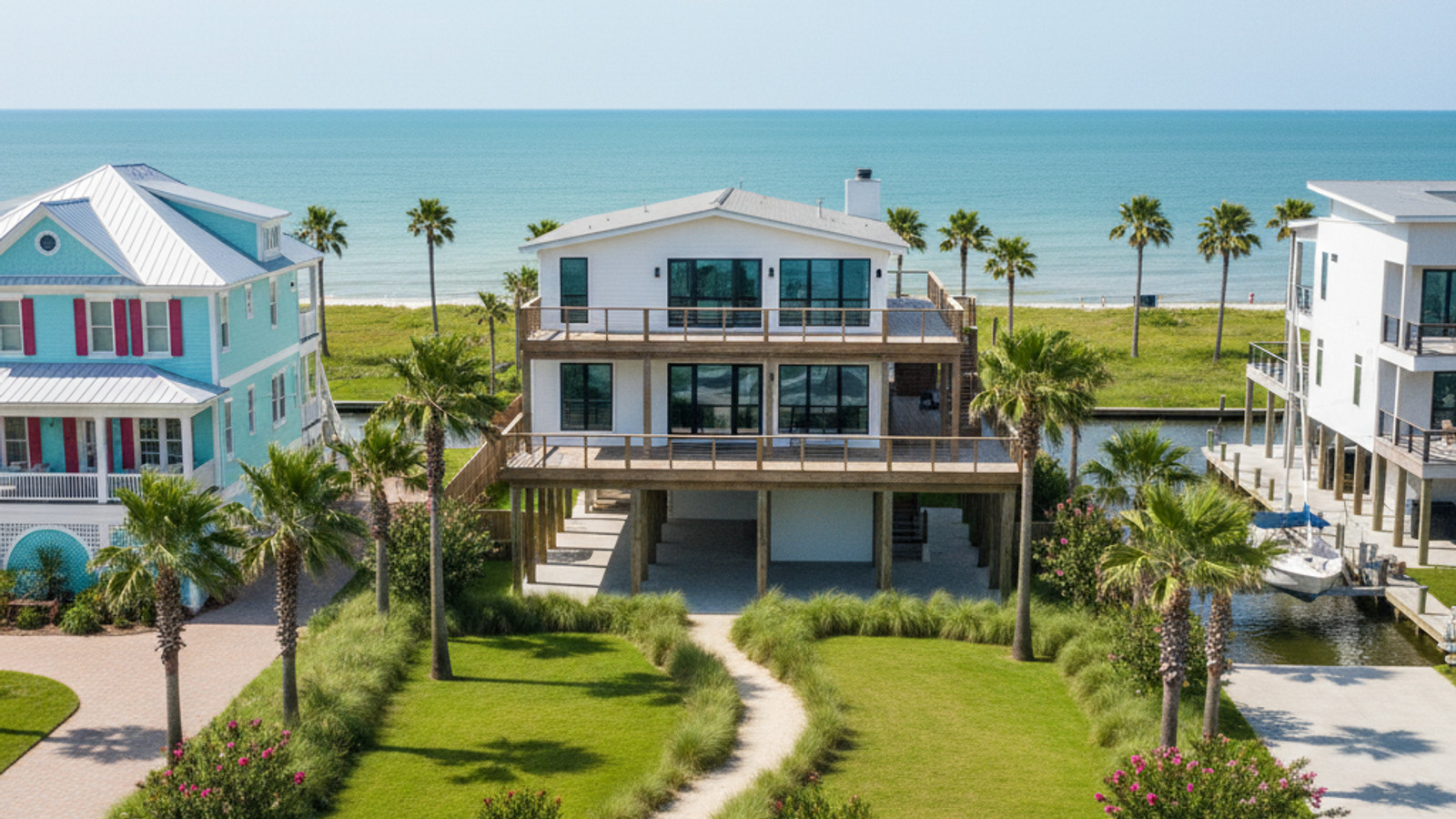
Galveston Island offers distinct lifestyles depending on where you choose to purchase property along the Gulf of Mexico. While the eastern side of the island is famous for its historic architecture and bustling tourist centers, the western half provides a completely different coastal experience. The contrast between these two zones is stark, offering buyers a clear choice in their daily environment.
Buyers looking for expansive beaches, canal-front living, and a quieter daily rhythm often focus their search past the Seawall. This area trades dense commercial blocks for master-planned subdivisions and uninterrupted water views. This comprehensive west end Galveston TX area guide explores the current housing market, local amenities, and practical commuting realities for 2026.
Understanding this specific market requires looking beyond the typical vacation brochures. Real estate dynamics here operate differently than the mainland Houston suburbs, so buyers must navigate unique considerations regarding property elevations and seasonal traffic patterns.
Understanding the West End Galveston Real Estate Market
The West End generally begins where the Galveston Seawall ends, stretching down FM 3005 toward the San Luis Pass. This geographic shift marks a clear transition from dense commercial development to open coastal landscapes and natural dunes. The paved seawall gives way to natural beaches, fundamentally changing the relationship between the homes and the water.
Historically viewed almost exclusively as a vacation rental market, this area has steadily transitioned into a primary residential destination over recent years. The momentum from the 2025 housing market has carried into this year, making the area highly attractive to long-term investors. Many buyers are purchasing properties now with the explicit goal of transitioning them into full-time residences later.
For buyers prioritizing direct water access over walkable urban amenities, the West End currently offers the most compelling real estate value on the Texas coast. The lack of commercial density here translates directly into larger lot sizes and unobstructed Gulf views. Waterfront property commands a premium, but the investment yields tangible lifestyle benefits.
Navigating the purchasing process here involves understanding coastal building codes and windstorm certifications. Newer constructions strictly adhere to elevated building standards, which impacts both the architectural style and the ground-level utility space. These structural requirements ensure longevity against the coastal elements while creating covered outdoor entertainment areas beneath the main living floors.
Property Types and Median Home Prices
Buyers will find a diverse mix of housing options tailored to specific coastal lifestyles. The inventory ranges from beachfront elevated homes with wrap-around decks to mid-rise condominiums offering maintenance-free living. Canal-front properties with private docks are particularly prominent in neighborhoods like Jamaica Beach and Pirates Beach.
These canal-front lots provide immediate boat access to West Bay, making them highly coveted by fishing enthusiasts. The architectural styles lean heavily toward modern coastal and traditional piling homes. Many properties feature extensive outdoor decking designed to maximize the prevailing gulf breezes.
As of early 2026, the median home price in the West End sits at approximately $545,000. The median price per square foot currently hovers around $377, reflecting the premium placed on water proximity.
This market pacing is standard for coastal properties, where the buyer pool is often coordinating out-of-town relocations. Homes spend an average of 127 days on the market, giving buyers a reasonable window to negotiate terms. Rushing a purchase here without verifying bulkhead conditions or elevation certificates is a common mistake.
Local Amenities and Outdoor Recreation
Daily life on the western end of Galveston Island revolves heavily around the FM 3005 corridor. This main thoroughfare serves as the primary transit and commercial route connecting the subdivisions, providing straightforward access to essential shopping and local seafood restaurants. Residents can easily reach marine supply stores and hardware shops without needing to navigate downtown traffic.
The commercial development along this stretch is intentionally sparse compared to the Seawall. This strategic layout of FM 3005 means residents never have to choose between coastal seclusion and practical convenience. You can pick up groceries locally while maintaining a quiet residential atmosphere at home.
The area also sits within a short drive of major island attractions like Moody Gardens and the Galveston Island Historic Pleasure Pier. These entertainment hubs offer massive aquariums, rainforest pyramids, and classic amusement park rides over the water. Having these facilities nearby provides excellent weekend options without placing them directly in your backyard.
Despite the proximity to these commercial entertainment hubs, the primary draw of the West End remains its natural landscape. The geography naturally encourages an outdoor-focused lifestyle centered around the water. Boating, paddleboarding, and surf fishing are standard daily activities rather than occasional weekend excursions.
Galveston Island State Park and Beach Access
Galveston Island State Park serves as a massive 2,000-acre natural anchor for the area. The park spans both the beach and bay sides of the island, protecting a vital stretch of native coastal prairie. Visitors pay a $5 daily entrance fee per adult to access these meticulously maintained grounds.
The park provides extensive facilities for swimming, kayaking, hiking, and birdwatching. Multiple designated paddling trails guide kayakers through the calm bay waters and coastal marshlands. The observation towers scattered throughout the property offer exceptional vantage points for spotting migratory birds.
Anglers benefit from relaxed regulations within the state park boundaries. No fishing license is required for shore fishing from the state park property, making it an accessible option for casual fishermen. The bay side offers excellent wading opportunities for catching redfish and speckled trout.
Beyond the park, several West End pocket parks provide dedicated public beach access. These smaller access points feature specific parking and facility rules to maintain the shoreline and manage traffic. Utilizing these designated areas helps protect the fragile dune systems that serve as the island's natural defense.
Schools, Employment Hubs, and Commuting
Transitioning to year-round island living requires a clear understanding of the local commute patterns and educational infrastructure. The local economy is anchored by massive institutions located on the eastern half of the island. The University of Texas Medical Branch (UTMB) and Texas A&M University at Galveston serve as the primary economic drivers.
UTMB operates as one of the largest employers in the region. The institution draws thousands of medical professionals, researchers, and support staff to the island daily. Because these major employment centers are centrally located, West End residents must factor cross-island travel into their daily routines.
Buyers must carefully test the morning drive times during their property search. Traffic along the island's main arteries can vary significantly by season and time of day. Summer tourist traffic naturally impacts the flow along FM 3005 and the Seawall boulevard.
Planning a primary residence here means optimizing your route to the mainland or downtown. Many locals utilize secondary roads and specific timing to avoid the peak congestion periods. Understanding these local traffic rhythms is essential for a stress-free transition to island life.
Galveston Independent School District (GISD) Options
The Galveston Independent School District serves over 7,000 students across the island. The district operates under a unique "Schools of Choice" model rather than enforcing traditional geographic boundaries. This system eliminates strict traditional school zones entirely.
Residents can apply to the specialized campus that best fits their educational goals, regardless of their specific West End address. Programs range from STEM-focused academies to magnet schools emphasizing the arts. This flexibility is a major draw for buyers relocating to the coastal subdivisions.
Several facilities are highly accessible to the western neighborhoods. Oppe Elementary, for example, is located conveniently near Moody Gardens, shortening the morning drive. The district also provides comprehensive bus transportation to all campuses to support this open-enrollment model.
Commute Times from West End Galveston to Downtown Houston
Driving from the western neighborhoods to downtown Houston covers approximately 50 to 60 miles via the I-45 causeway. The average drive time typically ranges from 45 to 75 minutes, depending heavily on the daily traffic flow along the interstate.
Many hybrid workers find this commute entirely manageable for two or three days a week. The drive offers a straightforward, single-highway route once you cross the causeway onto the mainland. However, daily commuters must budget extra time during the peak morning rush hours.
For those working locally on the island, the commute is substantially shorter and far more predictable. Driving from most western subdivisions to downtown Galveston or the UTMB campus takes approximately 15 to 20 minutes under normal conditions. This quick transit time allows medical professionals and university staff to enjoy secluded coastal living while maintaining a minimal daily commute.
Frequently Asked Questions About the West End
What are the different communities or neighborhoods in the West End of Galveston?
The West End features several distinct subdivisions, with Jamaica Beach and Pirates Cove being among the most established. Buyers will find everything from the large canal-front lots in Sea Isle to the master-planned beachfront properties in Pointe West. Jamaica Beach actually operates as its own independent municipality with its own dedicated city services.
Are there specific rules for West End pocket parks?
Yes, the local pocket parks enforce specific regulations regarding vehicle access, glass containers, and overnight parking. These designated public access points usually charge a parking fee of around $15 during the peak summer months. Visitors must utilize the provided walkovers to protect the fragile dune systems from erosion.
Which end of Galveston is best for year-round living?
The ideal location depends entirely on your preference for lot size versus urban walkability. The East End offers historic homes and a quick 5-minute commute to the UTMB campus, while the West End provides newer elevated construction and direct canal access. Buyers prioritizing larger properties and private boat docks heavily favor the western subdivisions.

April Aberle
REALTOR ® | Mortgage Originator | Homes for Heroes Affiliate | April Aberle | REMAX Crossroads Realty
or another way