
Categories
New ConstructionPublished June 2, 2026
What Should You Know Before Buying a New Construction Home?

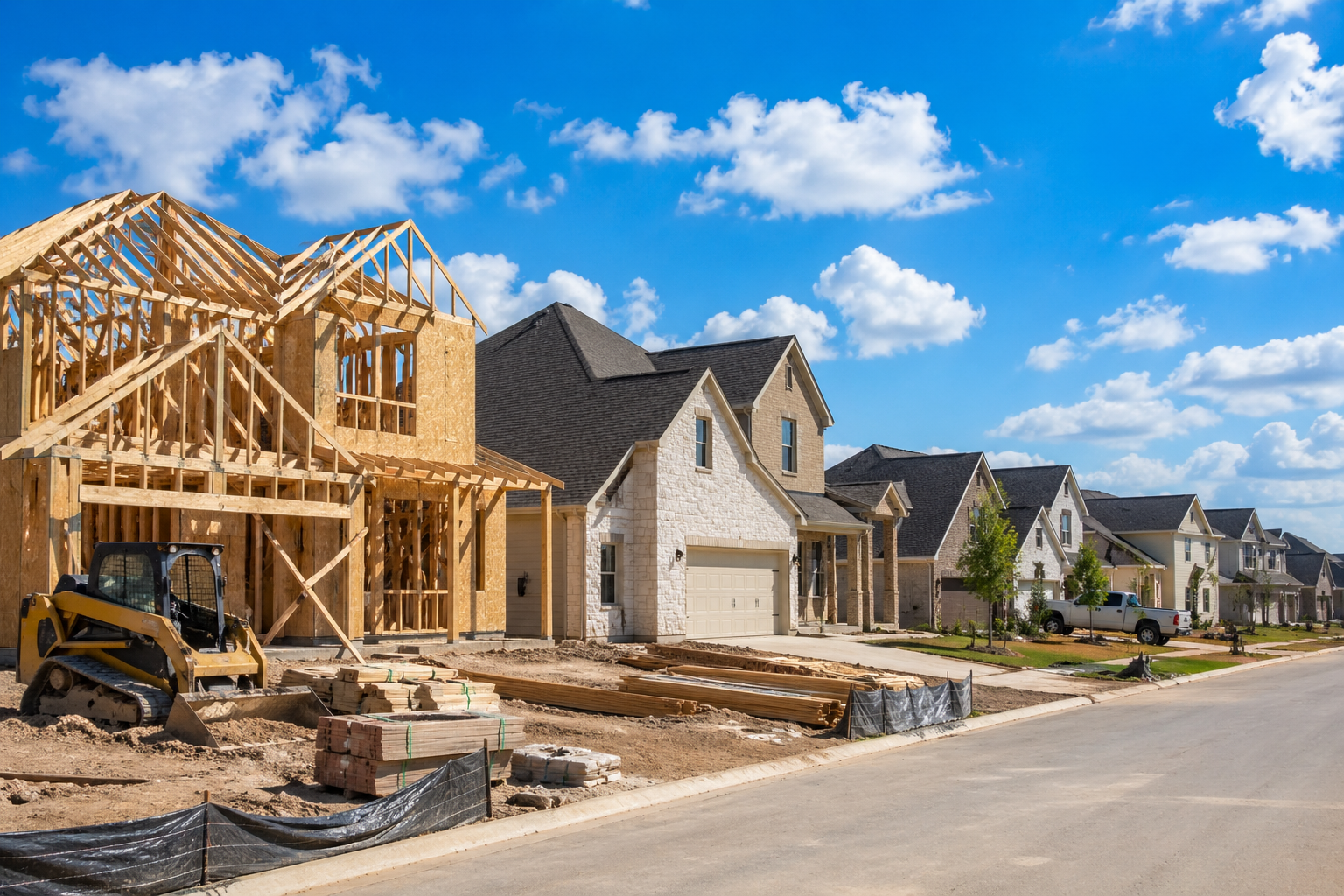
Buying a new construction home in Texas City can offer modern features and fewer repairs, but it comes with unique risks. Builder contracts, upgrade costs, and timelines can significantly impact your experience and final price. Knowing what to expect upfront helps you avoid costly surprises.
What Should You Know Before Buying a New Construction Home in Texas City?
- Builders use contracts that favor them—not the buyer
- Base prices often exclude upgrades and lot premiums
- You still need inspections, even on a brand-new home
- Timelines can change due to weather and supply delays
- Representation matters—the builder’s agent works for them
Understanding Builder Contracts and Representation
One of the biggest misconceptions buyers have is assuming the builder’s sales representative is there to help them. In reality, that representative works for the builder—not you.
Builder contracts are written to protect the builder’s timeline, pricing flexibility, and liability. Unlike standard resale contracts used in Texas, these agreements often limit your ability to negotiate and may include clauses that allow the builder to change materials, timelines, or even pricing under certain conditions.
This is why having your own real estate agent is critical. An experienced agent understands how builders operate in Texas City and can help you identify red flags, negotiate upgrades, and guide you through each phase of construction.
Without representation, you're navigating a one-sided process—and most buyers don’t realize that until it's too late.
The Real Cost of a “Base Price” Home
That advertised price you see online or on signage? That’s rarely what you’ll pay.
In Texas City, many new construction communities advertise attractive base prices to bring buyers in. But once you start selecting finishes and upgrades, the price can increase significantly.
- Lot premiums (especially for corner lots or water views)
- Structural upgrades (extra rooms, extended patios)
- Interior finishes (flooring, cabinets, countertops)
- Appliances and smart home features
- Closing costs (which may or may not be covered)
It’s not uncommon for buyers to add tens of thousands of dollars in upgrades without fully realizing it during the selection process.
The key is understanding your budget beyond the base price—and making decisions strategically rather than emotionally in the design center.
Inspections Still Matter—Even for New Homes
A common mistake buyers make is assuming a brand-new home doesn’t need an inspection.
This is one of the most expensive assumptions you can make.
Even in new construction, issues can happen:
- Improper installation of systems
- Foundation concerns
- Roofing or drainage issues
- Incomplete or rushed work toward the end of construction
In Texas City, where weather and soil conditions can play a role, inspections are even more important. A third-party inspector works for you—not the builder—and provides an unbiased assessment before closing.
Many buyers choose to do multiple inspections:
- Pre-pour (foundation stage)
- Pre-drywall
- Final inspection
This layered approach gives you more control and confidence before signing off.
Construction Timelines and Delays
New construction doesn’t operate on a fixed timeline.
While builders may estimate 4–6 months, delays are common due to:
- Weather conditions
- Material shortages
- Labor availability
- Permit or inspection delays
In a growing area like Texas City, where development is expanding quickly, these variables can impact your move-in date.
That matters if you're coordinating a lease ending, selling another home, or relocating for work.
Planning for flexibility—and understanding that delays are normal—can prevent unnecessary stress.
Builder Incentives and Financing
Builders often offer incentives to attract buyers, especially in competitive markets.
These may include:
- Closing cost assistance
- Interest rate buydowns
- Free upgrades or design credits
However, these incentives usually come with conditions—most commonly requiring you to use the builder’s preferred lender.
That doesn’t automatically mean it’s the best deal.
It’s smart to compare options. Sometimes the incentive is worth it. Other times, you may find better long-term savings with an outside lender.
Understanding the full financial picture—not just the upfront incentive—is what separates a good deal from a costly one.
Important Considerations Before You Decide
Before moving forward with a new build in Texas City, keep these key points in mind:
- You have less negotiation flexibility than resale homes
- Upgrades can quickly inflate your budget
- Timelines are estimates—not guarantees
- Inspections are essential, not optional
- Representation protects your interests
New construction can be a great opportunity—but only when approached with clarity and realistic expectations.
FAQ
Do I need a real estate agent when buying new construction?
Yes. The builder’s sales rep represents the builder, not you. Having your own agent protects your interests.
Are new construction homes cheaper than resale?
Not always. Upgrades and premiums often increase the final price beyond the base cost.
How long does it take to build a home in Texas City?
Typically 4–8 months, but delays are common depending on external factors.
Next Steps
If you're considering buying a new construction home in Texas City, the smartest move is getting guidance before you walk into a builder’s office.
Schedule a time here to review your options, avoid common mistakes, and make sure you're making the right decision for your situation.

April Aberle
REALTOR ® | Mortgage Originator | Homes for Heroes Affiliate | April Aberle | REMAX Crossroads Realty
or another way