
Categories
Galveston, Texas CityPublished September 30, 2026
What to Expect When Buying a Home in the East End of Galveston, TX

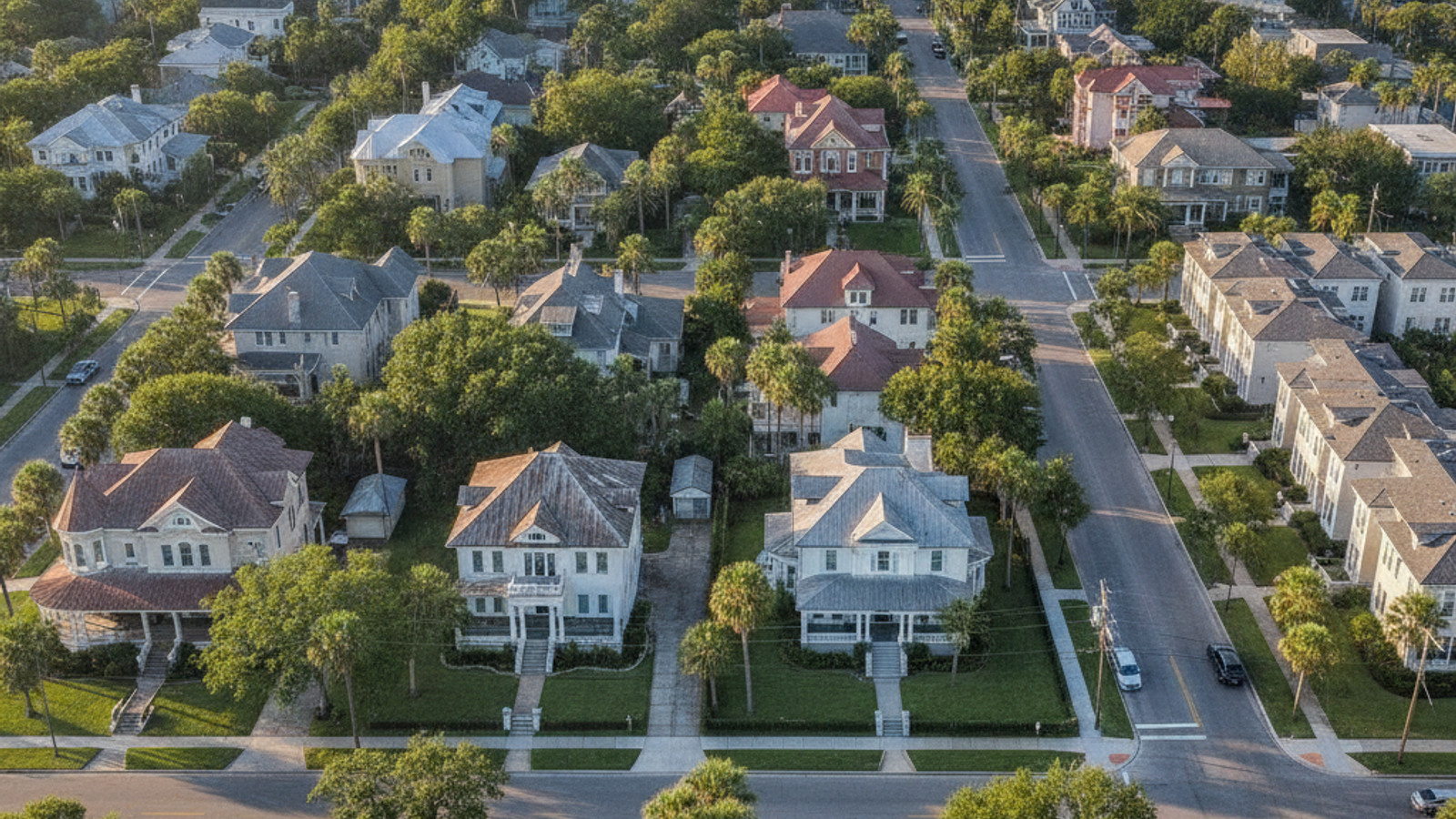
The East End is one of the most established residential pockets on the island, and it is widely considered one of the best neighborhoods in Galveston, TX. The area features proper grid streets, mature trees, Victorian facades that predate the last century, and a location that puts you within walking distance of UTMB. If you're coming from the west end of Galveston or from the mainland suburbs, this neighborhood will feel like a completely different market. That's not a warning, just context.
The housing stock here is old, the zoning rules are specific, and the coastal climate doesn't go easy on wood exteriors. None of that makes this a bad place to buy. It just means you need to go in with clear eyes and a good inspector.
Getting to Know the East End of Galveston, TX
Geographically, the East End occupies a significant stretch of the city's eastern peninsula. Bishop's Palace anchors it as a landmark most people already know. The street grid - numbered streets running north to south, named avenues running east to west - makes it easy to understand once you've driven it a few times. The seawall, local parks, and the downtown commercial district are all within a short distance.
The core of the neighborhood includes the East End Historic District, which covers roughly 60 to 66 city blocks. That specific zone was listed on the National Register of Historic Places in 1975 and declared a National Historic Landmark in 1976. The property lines and street character in those blocks reflect how the area was originally laid out, and that's not an accident - it's actively maintained.
Location and Layout
Broadway Avenue J is your main artery. It feeds directly into the rest of the island and toward the mainland, and it's where most of the traffic concentrates. Secondary avenues are how residents move around day to day, especially once you figure out where the seasonal congestion stacks up in summer.
The neighborhood sits right up against the city's main medical complex and the historic downtown strand. You're sharing streets with hospital staff, daily commuters, and visitors - that's just the reality of being this centrally positioned.
Housing Styles and Historic Blocks
Inside the designated historic boundaries, you're mostly looking at Victorian homes and traditional coastal cottages, many of them dating to the late 19th and early 20th centuries. Raised foundations, large front porches, detailed exterior millwork - that's the standard. It's genuinely attractive architecture, and it requires real maintenance.
Outside those boundaries, the picture shifts. Mid-century builds and newer infill construction fill in the gaps, typically on smaller lots with secondary structures along the alley edges. The neighborhood doesn't look uniform once you start walking it block by block.
Housing Market and Home Prices in the East End
Galveston citywide is currently sitting at a median sale price of roughly $375,000, with homes averaging about 92 days on market. Inventory has been running above 1,000 available homes, and the supply level is around 9.3 months - that's a buyer's market by most measures, and it gives you time to think through your options rather than making a panicked decision.
Prices in the East End depend on which block you're looking at and whether the property falls within the historic district boundaries. The median sale price within the East End Historic District has been hovering around $376,200. Pull back to the broader East End geo-market area, and that median drops considerably - ranging from roughly $167,450 to $213,950 depending on the specific data slice. The gap between those numbers tells you a lot about how much the historic designation affects pricing.
Available Property Types
The inventory here runs the full spectrum - fully restored Victorian mansions on one end, smaller bungalows that need significant work on the other. Turnkey properties in the designated historic zones carry a premium, and that premium is real. Properties outside those specific blocks often come in at lower prices, but expect to put money into updates.
One number worth keeping in mind: homes in Galveston are selling at roughly 93.9% of their list price. That means there's typically some room to negotiate, and that room gets wider on properties that have been sitting past the 90-day mark.
Building Rules in the Historic District
This is where buyers sometimes get caught off guard, so pay attention here. Properties within the 60 to 66 blocks of the East End Historic District fall under HZD-H or R-3-H zoning. Any exterior modifications require a Certificate of Appropriateness from the City's Landmark Commission before work begins.
The design standards require that new or replacement materials align with the character of the historic structures. Metal buildings aren't permitted. Historic stained glass and original window proportions must be preserved. And if you receive Commission approval but don't make progress on the project within two years, that approval expires. If you're planning renovations, you need to understand this process before you make an offer - not after.
Daily Life, Dining, and Transportation
The East End isn't a strip-mall neighborhood. The commercial mix leans toward long-standing local businesses - cafes, bakeries, family-owned restaurants that have been there for years and serve actual residents, not just tourists. Daily errands typically mean short drives down Market Street or Post Office Street.
Getting around relies on personal vehicles for most things, though the flat terrain and grid layout make it genuinely workable for cyclists. Broadway Avenue J carries the bulk of traffic in and out. Residents who've been here a while know which secondary avenues to use when summer visitor traffic stacks up on the main corridors.
Local Restaurants and Cafes
For breakfast and brunch, Mosquito Café at 628 14th Street is the go-to for most people in the neighborhood. The Sunflower Bakery & Café is right down the block at 512 14th Street for baked goods and homestyle meals.
Dinner options include Porch Café at 1902 Post Office Street and Rudy & Paco Restaurant & Bar. The standout for local history is The Original Mexican Cafe at 1401 Market Street - a fifth-generation, family-owned operation that has been running since 1916.
Commuting and Major Routes
Broadway Avenue J connects to Interstate 45, which is the route most residents use for trips to the mainland. How long that drive takes depends entirely on the time of day and the season - it's not a consistent commute. Seawall Boulevard runs along the southern edge and provides an alternative route when you need one.
Employees at UTMB who live in the East End often walk or bike to work - the campus is that close. Street parking is available throughout the district, though some blocks operate with residential permit requirements.
Schools, Medical Facilities, and Climate
The concentration of healthcare infrastructure in the East End is significant by any measure. UTMB shapes the local economy and puts specialized medical care closer than most neighborhoods can claim. On the school side, one district covers the entire island, so you're not sorting through multiple jurisdictions.
The one thing buyers consistently underestimate is what the coastal climate does to a property over time. Salt air, high humidity, and sustained summer heat are hard on historic wood exteriors. Budget for it before you buy, not after.
Galveston ISD Coverage
The Galveston Independent School District serves the East End along with the rest of Galveston Island. All students in the neighborhood fall within that single district boundary. Confirm exact school assignments for specific addresses using the district's current zoning maps - don't rely on assumptions about which school a particular street feeds.
Healthcare and UTMB Access
The UTMB medical complex is the primary healthcare anchor for this part of the island, built around John Sealy Hospital and Jennie Sealy Hospital. Shriners Hospitals for Children is also located within the district at 815 Market Street.
For emergency services outside the main UTMB system, Hospitality Health ER is accessible to area residents. If you need major medical care beyond what's available locally, HCA Houston Healthcare Mainland in Texas City is the next option.
Year-Round Weather Patterns
Galveston runs on a humid subtropical climate - hot summers, mild winters, and humidity that doesn't let up. June through August brings average highs between 85 and 90 degrees Fahrenheit, with lows staying in the upper 70s. August is the peak, with average highs near 90 degrees.
Winters are moderate. Highs typically land in the 50s to low 60s, and January - the coldest month - averages highs around 62 to 64 degrees with lows between 48 and 50 degrees Fahrenheit. It's not a harsh winter by most standards, but it's also not dry, and that matters for how a house holds up.
Finding a Home in the East End
With over 1,000 homes in citywide inventory and a 9.3-month supply, you have the time to do this right. Use it. Properties in the East End - especially anything over a century old - deserve a thorough inspection from someone who understands historic construction and coastal conditions. Skipping that step or rushing through it is where buyers end up with expensive surprises.
Zoning matters more here than in most Galveston neighborhoods. Whether a specific address falls inside or outside the historic district boundaries affects what you can do with the property, how you'll need to approach any renovation, and what you'll pay. Look at recent sales data for the exact street you're considering - prices shift noticeably between the historic core and the surrounding blocks, and a street-level comparison gives you a much cleaner read than neighborhood-wide averages.
An agent who knows Galveston's historic zoning and coastal building requirements will save you significant time sorting through the details.
Frequently Asked Questions
What is East End in Galveston known for?
Beyond its Victorian facades and numbered street grid, the neighborhood stands out for its active preservation efforts. The 60 to 66 blocks of the designated historic zone require strict adherence to Landmark Commission standards, ensuring the original 19th-century character remains intact.
What are homes like in East End Galveston, and what do they cost?
Buyers will find a sharp price divide based on historic zoning, with restored properties in the designated district carrying a noticeable premium. Across the broader area, homes generally sell for about 93.9% of their list price, leaving room to negotiate on properties that sit past the 90-day mark.
What restaurants and dining are in East End Galveston?
Dining in this neighborhood relies on long-standing local establishments rather than chain restaurants. Residents typically head to 14th Street for breakfast and bakery options, while Market Street hosts fifth-generation family-owned venues for dinner.
What is the weather like in East End Galveston?
The humid subtropical climate brings sustained heat and salt air that directly impact exterior home maintenance. While January offers moderate temperatures with lows around 48 to 50 degrees, peak summer conditions require buyers to budget for regular upkeep on historic wood facades.
What hospitals and medical care are near East End Galveston?
Healthcare infrastructure shapes the local economy, with the UTMB campus allowing many medical staff to walk or bike to work. For immediate local needs, residents use the main campus or Hospitality Health ER, while specialized care at HCA Houston Healthcare Mainland requires a drive to Texas City.
Where is the East End located within the city?
Situated on the eastern peninsula, this district shares borders with the city's primary medical campus and downtown core. If you look into the broader East Galveston area, you will notice that traffic relies on Broadway Avenue J to connect to Interstate 45 and the mainland.
How close is the East End to the water?
While not directly on the sand, the neighborhood sits just a short trip from the seawall and local parks. If you are comparing these historic blocks to a Galveston beachfront property, remember that both locations share the same high humidity and salt air that require specialized exterior maintenance.

April Aberle
REALTOR ® | Mortgage Originator | Homes for Heroes Affiliate | April Aberle | REMAX Crossroads Realty
or another way