
Categories
GalvestonPublished May 4, 2026
Exploring the East End Historic District Galveston, TX Area Guide for 2026 Buyers

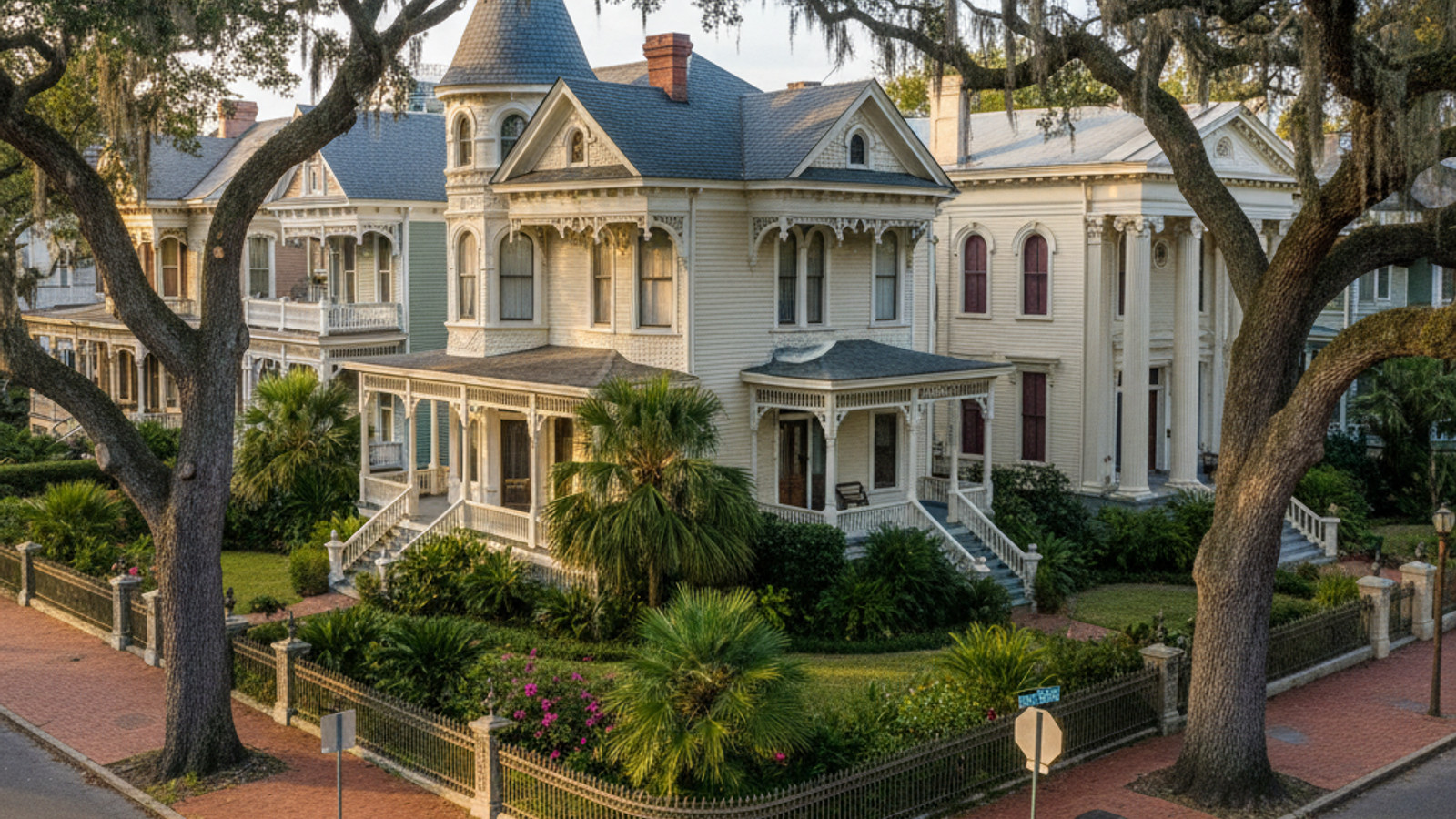
Galveston Island offers a unique blend of coastal living and deep-rooted Texas history. For buyers seeking homes with rich architectural heritage, the first residential neighborhood on the island remains a premier destination. The tree-lined streets and well-preserved structures transport residents back to the city's golden era.
This East End Historic District Galveston, TX area guide provides essential insights into the 2026 real estate market. Navigating the colorful historic homes and local preservation guidelines requires an understanding of what makes this neighborhood function today. Buyers must balance their love for historic architecture with the practical realities of coastal homeownership.
Whether you are searching for a vacation property or a primary residence, this district offers a lifestyle distinct from newer suburban developments. The community prioritizes historical preservation while maintaining a highly walkable, active environment. Understanding the nuances of this specific market is the first step toward a successful purchase on the island.
Architectural Styles and Property Types in the East End
The neighborhood spans 50 city blocks bounded by Broadway, 10th Street, 19th Street, and Mechanic Avenue. This area contains an impressive variety of styles and periods dating from the mid-1800s to the early 1900s. The sheer concentration of historic homes here earned the area its designation as a National Historic Landmark.
Buyers will find everything from simple cottages to elaborate mansions crafted by notable architects such as Nicholas Clayton. Prominent designs include ornate Victorian architecture and stately Greek Revival architecture. Maintaining this architectural integrity is a major factor in the neighborhood's long-term appeal.
Because the area was placed on the National Register of Historic Places, owning a home here means acting as a steward of local history. The meticulous care given to these properties translates directly into increased property values and desirability. Buyers appreciate knowing the historic character of their street will remain intact for decades to come.
Walking down 10th Street or 19th Street reveals wide sidewalks framed by massive oak trees and intricate wrought-iron fences. The colorful historic homes often feature wrap-around porches, original hardwood floors, and towering ceilings designed to catch the Gulf breeze. These authentic details are highly sought after in the current real estate market.
Many properties also feature original carriage houses that have been converted into secondary living spaces or garages. These additions provide modern utility while blending seamlessly with the primary Victorian homes. The careful balance of historical charm and modern convenience defines the architectural landscape of the district.
Historic Preservation Guidelines and the EEHDA
Navigating the local preservation rules is a standard part of purchasing property in this district. The East End Historical District Association (EEHDA) operates as a 501(c)(3) nonprofit rather than a traditional homeowners association. This means property owners face zero mandatory HOA fees when buying a home here.
While the EEHDA organizes community efforts, official exterior renovations are governed by the Galveston Landmark Commission. Any modifications to the outside of a historic home require specific permits and adherence to strict material guidelines. Buyers planning immediate renovations should consult the commission before finalizing their purchase.
The preservation guidelines focus heavily on maintaining the 19th-century visual aesthetic of the streetscape. Modern materials that alter the historic profile of a structure are generally not approved for use.
- Vinyl siding is strictly prohibited on all historic exteriors within the neighborhood boundaries.
- Aluminum windows cannot be installed as replacements for original wood frames.
- Paint colors, roofing materials, and structural additions must receive official approval prior to construction.
- Original architectural details, such as gingerbread trim and historic doors, must be repaired rather than replaced whenever possible.
2026 Real Estate Market Trends for East End Buyers
The 2026 housing market in the East End offers a distinct shift compared to the rapid turnover seen in previous years. Buyers now have more room to negotiate as the area transitions into a clear buyer's market. Inventory levels have stabilized, giving house hunters the time needed to evaluate these unique older homes.
Current median sale prices for historic homes in the district range from approximately $350,000 to $500,000. Fully restored Victorian homes on prime streets naturally command prices at the higher end of that spectrum. Smaller cottages requiring cosmetic updates offer entry points closer to the $350,000 mark.
Average days on market have increased to between 100 and 150 days as of early 2026. This longer selling window is typical for historic properties that require specialized appraisals and thorough inspections. For buyers, this extended timeline provides a valuable opportunity to secure contractor estimates before closing.
Property insurance and taxes are critical components of the purchasing equation in this coastal market. Historic homes often require specialized insurance policies to cover the replacement cost of custom 19th-century materials. Buyers should request utility and insurance histories during the option period to accurately project their monthly carrying costs.
Homes located directly on Broadway tend to see different pricing dynamics compared to the quieter interior avenues. The visibility and prestige of a Broadway address often attract buyers interested in operating bed-and-breakfast establishments. Meanwhile, properties closer to Mechanic Avenue appeal strongly to those prioritizing immediate access to the nearby business district.
Navigating this specific market requires patience and a clear understanding of historic property valuations.
Neighborhood Amenities, Parks, and Walkability
The grid plan of the East End neighborhood makes it one of the most walkable areas on Galveston Island. Residents enjoy a highly convenient layout where daily commutes and recreational outings rarely require a vehicle. The neighborhood sits directly adjacent to the business district and the bustling historic Strand district.
Proximity to major employment centers is a significant draw for buyers exploring this part of the island. The University of Texas Medical Branch (UTMB) campus is located less than one mile from most homes in the district. This allows residents working or studying at the facility to walk or bike there in minutes.
Green spaces are woven throughout the residential blocks, offering mature trees and well-maintained grounds. The EEHDA actively maintains local spaces like Darragh Park and Alderdice Park for the community to enjoy. These parks frequently serve as gathering spots for neighborhood block parties and casual outdoor events.
Beyond the immediate city blocks, residents have quick access to the beach and the nearby East End Lagoon Nature Preserve. The preserve offers walking trails, kayaking, and bird-watching opportunities just a short distance from the historic grid. This balance of urban walkability and natural amenities is a defining feature of the neighborhood.
Local dining and retail options are deeply integrated into the surrounding blocks, providing easy access to daily necessities. Residents can easily walk to a local restaurant or coffee shop without navigating major highways. Taking a walking tour of the area quickly reveals how closely connected the residential and commercial zones truly are.
Galveston ISD Schools Serving the East End
Public education for the neighborhood falls under the jurisdiction of the Galveston Independent School District (GISD). The district utilizes a freedom of choice model for enrollment rather than strict geographic zoning. This structure allows residents to apply to the specific campus that best fits their educational preferences.
Several GISD campuses are located within a short distance of the East End. Central Middle School and Austin Middle School are two primary facilities serving students in the middle grades. Both campuses are easily accessible from the main residential corridors of the neighborhood.
Older students in the area typically attend Ball High School, which serves as the primary high school for the island. Buyers researching the area should review the specific transportation options and application timelines provided by GISD. The choice-based enrollment system requires parents to submit their campus preferences ahead of the academic year.
The district offers various specialized academic tracks, including magnet programs focused on STEM and the arts. Because enrollment is not guaranteed based solely on a home address, buyers should engage with the GISD administration early in the relocation process. Understanding the lottery and application deadlines is crucial for a smooth transition into the local school system.
Frequently Asked Questions About Galveston's East End
Are there mandatory HOA fees in the East End Historic District?
No, there are zero mandatory HOA fees required to live in the district. The East End Historical District Association is a voluntary nonprofit organization, not a traditional homeowners association. Residents can choose to pay voluntary dues of around $25 to $50 annually to support neighborhood projects.
What are the historic preservation guidelines in Galveston?
Exterior modifications to homes in the district must be approved by the Galveston Landmark Commission. The guidelines strictly prohibit modern materials like vinyl siding and aluminum windows to preserve the architectural integrity. Routine maintenance and interior renovations do not typically require this specialized historical review.
What events are hosted in the East End neighborhood?
The neighborhood is famous for hosting the annual Victorian Christmas Homes Tour and the Fall Garden Tour. These events attract visitors from across Texas and are supported by the voluntary efforts of the EEHDA. Regular block parties also take place at Darragh Park and Alderdice Park throughout the year.
How did the East End Historic District recover after Hurricane Ike?
The neighborhood demonstrated remarkable resilience following the 2008 storm, with extensive restoration efforts revitalizing the historic housing stock. Many homes were elevated or retrofitted with improved drainage systems to mitigate future flood risks. Today, the 50 city blocks feature robust infrastructure while maintaining their historic 19th-century charm.

April Aberle
REALTOR ® | Mortgage Originator | Homes for Heroes Affiliate | April Aberle | REMAX Crossroads Realty
or another way