
Categories
Buying a homePublished May 4, 2026
Buying in 2026: The Strand Galveston TX Area Guide to Historic Lofts

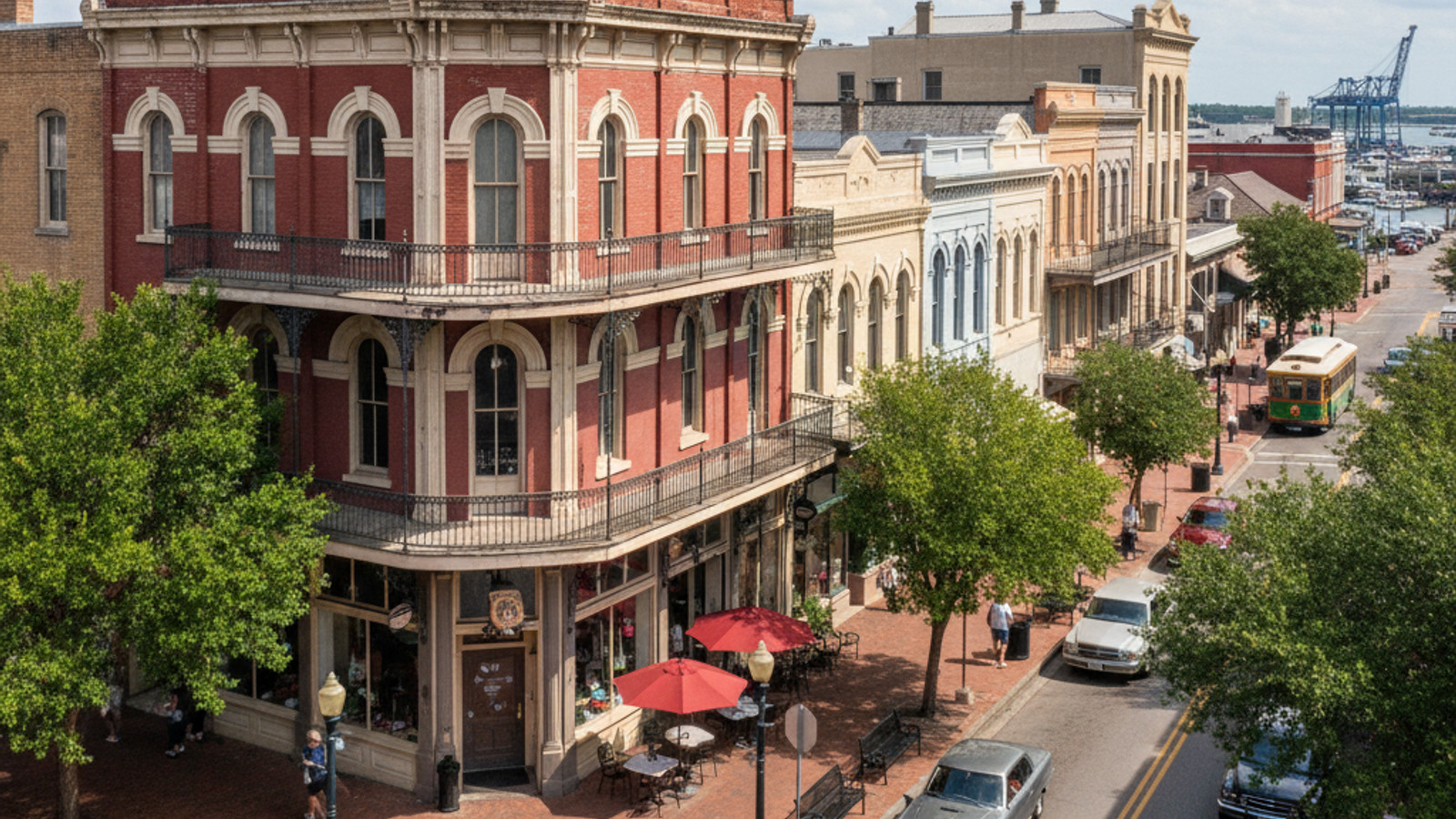
Downtown Galveston offers a unique coastal real estate market where Victorian-era architecture meets modern urban living. Buyers exploring the island often gravitate toward the historic commercial center for its exceptional walkability and rich maritime heritage.
Purchasing a property here means investing in a neighborhood defined by its proximity to the harbor and vibrant local culture. This guide explores the current 2026 market, property types, and everyday amenities that define life in this distinct Gulf Coast district.
Exploring The Strand Historic District
The Strand Historic District serves as the cultural and commercial anchor of downtown Galveston, TX. Originally platted in the 1830s as Avenue B, the area quickly grew into a major financial center. By the late 1800s, the dense concentration of banks and wholesale businesses earned the street its reputation as the "Wall Street of the South."
Today, the district is recognized as a National Historic Landmark, celebrated for its massive collection of iron-front Victorian-era architecture. The neighborhood sits just steps from the active Galveston Bay and the Port of Galveston, blending historic charm with the daily operations of a working seaport.
Real Estate Market Trends in The Strand
The housing landscape in downtown Galveston looks completely different from the rest of the island. Single-family homes are virtually nonexistent within the immediate commercial district. Instead, the real estate market is heavily dominated by multi-family units and historic loft conversions situated above ground-floor retail spaces.
Owning property here appeals to buyers who prioritize walkability and immediate access to harbor amenities over traditional yards. Historically preserved buildings maintain excellent long-term investment value, as strict preservation laws prevent the construction of competing high-rise developments in the immediate vicinity.
Historic Loft Conversions and Condominiums
Residential loft conversions in the area are known for their distinct architectural features. Buyers can expect to find exposed brick walls, soaring high ceilings, and massive windows overlooking the streetscape. Layouts typically range from efficient one-bedroom units to expansive three-bedroom configurations.
The level of interior modernization varies significantly from building to building. In 2026, listing prices for these lofts generally range from $300,000 to over $600,000. Final pricing depends heavily on the total square footage, water views, and whether the unit includes dedicated parking access.
Galveston Property Taxes and Downtown HOA Fees
Understanding the ongoing costs of ownership is crucial for any downtown purchase. Property taxes are assessed by Galveston County based on the market value of the unit. The 2026 combined property tax rate, which covers the county, city, and school district, sits at approximately 1.58% for a property in the city limits.
Condominium association fees are another standard monthly expense for loft owners. Downtown HOA fees currently average around $0.72 per square foot monthly, meaning a 1,650-square-foot unit incurs about $1,200 in monthly dues. These fees typically cover exterior building insurance, common area maintenance, and municipal trash removal.
Local Amenities, Dining, and Entertainment
The pedestrian experience along The Strand and nearby Postoffice Street is a major draw for real estate buyers. Wide sidewalks and historic storefronts encourage residents to walk to their daily destinations rather than drive. The commercial landscape heavily favors independent local businesses over national chain stores.
Having major cultural hubs right outside your front door offers an unmatched level of convenience for urban coastal living. Residents enjoy immediate access to an established dining scene, local boutiques, and numerous entertainment venues without needing to leave the neighborhood.
Museums and Attractions Around Pier 21
The district is surrounded by educational and maritime attractions that highlight the island's history. Pier 21 is located just a short walk north of the main commercial corridor, offering direct access to the water.
Several prominent landmarks anchor the area and provide year-round activities for locals. These institutions celebrate the rich maritime and industrial heritage of the Texas Gulf Coast.
- The Texas Seaport Museum is home to the 1877 tall ship Elissa, a fully restored sailing vessel.
- The Ocean Star Offshore Energy Center and Museum sits directly on the water at Pier 21.
- The Galveston Railroad Museum features extensive rail transport exhibits at the western edge of the district.
- Saengerfest Park serves as a central outdoor gathering space for live music and community events.
Dining, Boutique Shopping, and the Arts District
The culinary and retail landscape available to downtown residents is extensive. Established businesses like La King's Confectionery draw daily crowds for ice cream and candy, while numerous local restaurants serve fresh Gulf Coast seafood. The boutique shopping scene features everything from fine jewelry and antique stores to casual souvenir shops.
Just a few blocks away, the Postoffice Street arts district offers a slightly different atmosphere. This corridor is lined with independent art galleries and historic venues. The Grand 1894 Opera House anchors the street, hosting theatrical performances and concerts throughout the year.
Annual Festivals and Community Events
Living in a vibrant downtown means sharing the neighborhood with major public events. The district hosts several large-scale gatherings that take place directly on the main streets. Buyers should be aware that these events frequently impact local street closures and temporary parking availability.
The annual calendar includes several signature island traditions. Residents enjoy front-row access to celebrations that draw visitors from across the state.
- Dickens on the Strand transforms the area every December with Victorian-era costumes and strolling carolers.
- Mardi Gras parades route directly through the downtown grid, drawing massive crowds.
- The Lone Star Rally brings thousands of motorcycle enthusiasts to the island each fall.
- Regular ArtWalk events highlight local gallery openings with evening street festivities.
Transportation, Commute, and Healthcare Access
Navigating the island from the historic district is straightforward thanks to the organized downtown grid system. Primary road access to the mainland is easily accessible via I-45, which begins just north of the neighborhood. While street parking is heavily utilized by visitors, most residential buildings offer private garage access.
A personal vehicle is practically a necessity for anyone commuting to the mainland for work. However, residents who work remotely or are employed on the island often find they can complete most daily errands entirely on foot or by bicycle.
The Galveston Island Trolley and Local Transit
Public transit offers a convenient alternative for navigating the island without a car. The Galveston Island Trolley operates a mix of vintage rail cars and rubber-tire buses. These routes connect the downtown district directly to the Seawall and beach areas.
The system is highly affordable for local trips across the island. In 2026, the trolley fare remains strictly $1 in cash per ride. The service currently operates on a Friday through Sunday schedule, running from 10:00 AM until sunset.
Houston Commutes and UTMB Proximity
Professionals commuting to major mainland employment centers should expect a substantial drive. The trip from downtown Galveston to downtown Houston averages 50 to 60 minutes via I-45, depending heavily on daily traffic conditions.
For healthcare access, the neighborhood is exceptionally well-positioned. The University of Texas Medical Branch (UTMB) is located just over a mile east of the commercial center. This proximity makes the area a highly practical option for medical professionals or students looking to live near the hospital campus.
Galveston Independent School District (GISD) Zoning
Public education on the island falls under the jurisdiction of the Galveston Independent School District (GISD). This governing district manages all public elementary, middle, and high schools across the city.
School attendance zones can shift, and specific building assignments depend on exact property locations. Buyers should always verify the current GISD boundaries for any specific address before finalizing a real estate purchase.
Frequently Asked Questions
Is parking available for residents in The Strand Historic District?
While public street parking is paid or limited by time restrictions, most residential loft buildings include deeded or assigned garage parking. Having a dedicated space is a major asset for buyers evaluating downtown properties.
Are downtown Galveston loft owners required to follow historic preservation rules?
Exterior modifications to buildings within this National Historic Landmark district are strictly regulated by local preservation boards. However, interior updates and renovations are typically governed by the specific condominium homeowners association.
What types of shops and restaurants are located in the Strand?
The area features a dense mix of independent eateries, local coffeehouses, and fresh seafood restaurants. Retail options range from casual souvenir shops and antique stores to high-end boutiques and fine jewelry dealers.

April Aberle
REALTOR ® | Mortgage Originator | Homes for Heroes Affiliate | April Aberle | REMAX Crossroads Realty
or another way