
Categories
GalvestonPublished February 14, 2026
Is Galveston, TX Good for Families? A 2026 Perspective

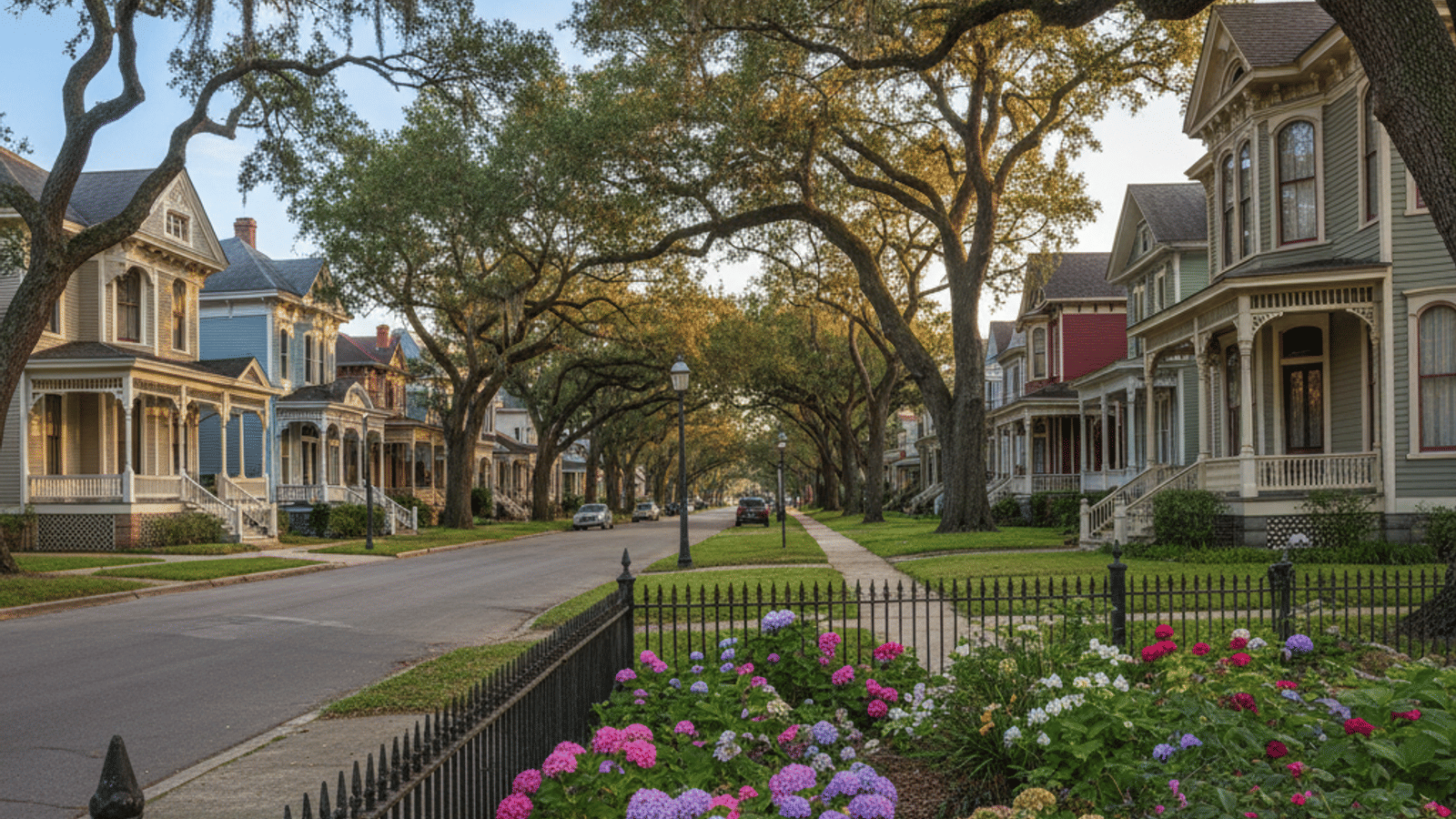
If you are asking if Galveston is the right place to put down roots, the honest answer is: Yes, but it depends entirely on what kind of lifestyle you are chasing. Living on the island offers a daily rhythm that you simply cannot find anywhere else in Texas. It is a community suited for households who value immediate access to the outdoors, deep historical roots, and a bit of grit over the manicured uniformity of mainland suburbs.
However, moving here requires a shift in mindset. You have to be okay with "island time," the reality of salt air, and a school system that works differently than the rest of the county. As we settle into 2026, the island’s population remains steady—a unique mix of "Born on the Island" (BOI) locals, medical professionals, and second-home owners. If you are thinking about living in Galveston TX, you need to weigh the incredible access to nature against the logistical realities of coastal life.
Pros and Cons of Raising Kids on the Island
When you sit down to make a pro-con list, Galveston is a mixed bag of amazing lifestyle perks and specific environmental challenges. It’s not just about the beach; it’s about a small-town community feel where neighbors actually know each other.
The Upside:
- Walkability & Outdoors: The Seawall isn't just for tourists; it’s the world’s longest sidewalk for morning jogs and stroller walks.
- Community Depth: Between events like Dickens on the Strand and Mardi Gras, the social calendar is packed.
- History: Living here means being surrounded by Victorian architecture and Texas history, not just cookie-cutter strip malls.
The Trade-offs:
- Climate: The humidity and heat are intense, even by Texas standards.
- Maintenance: Salt air is brutal. It corrodes vehicles, outdoor HVAC units, and patio furniture faster than you expect.
- Traffic: During peak tourist season (and "Jeep Weekend"), getting across town can test your patience.
- Storm Risk: We can't ignore the hurricane risk, which impacts both peace of mind and your budget.
Galveston Schools: Public, Private, and Higher Ed
One of the first things incoming buyers ask about is education. It is crucial to understand that the Galveston Independent School District (GISD) operates very differently from mainland districts like Clear Creek or Friendswood. While those best schools in Galveston County lists often highlight mainland suburbs, the island has its own distinct advantages if you know how to navigate them.
GISD operates on a "Schools of Choice" model. This means you aren't necessarily zoned to the school closest to your house. Instead, parents can apply to different magnet programs based on their child's interests, whether that's STEM, coastal studies, or dual-language immersion. This system allows for a more tailored education, but it does require parents to be proactive during the application windows.
Standout campuses often include Oppe Elementary for its coastal studies focus and the various academies within Ball High School. The student-teacher ratio generally hovers around a comfortable 15:1, allowing for decent individual attention.
Beyond K-12, the presence of higher education anchors the community. With Texas A&M Galveston and the University of Texas Medical Branch (UTMB) on the island, there is a strong academic culture. This provides local students with access to dual-credit opportunities and exposure to medical and maritime careers right in their backyard.
Crime Rates and Safety Considerations
When you look at raw data, Galveston’s crime rate historically trends higher than the national average. However, if you are looking at homes here, you need to read between the lines. The statistics are often skewed by the massive influx of tourists. A busy summer weekend can bring hundreds of thousands of visitors, and petty theft or incidents in the entertainment districts inflate the numbers for the permanent population of roughly 50,000.
For residents, safety is highly neighborhood-dependent. The experience of living in a quiet residential pocket is vastly different from living two blocks off The Strand or near major retail hubs.
As we move through 2026, property crime remains the primary statistic to watch. Locals know to lock their car doors and secure their bikes. Violent crime statistics can look alarming on paper, but they are often concentrated in specific hotspots rather than being randomly distributed across the quiet residential streets where most full-time residents live.
Top Residential Areas for Households with Children
Finding the right spot to live is about balancing commute, budget, and yard space. If you are looking for a Galveston neighborhoods guide, you’ll quickly see that the island is divided into distinct zones, each with a different vibe.
East End Historic District This is the postcard version of Galveston. It is incredibly walkable, filled with stunning Victorian homes, and close to the downtown district. The trade-off is maintenance; historic homes require constant upkeep, and strict preservation rules can limit what you can do with your property.
Denver Court and Cedar Lawn These areas are favorites for long-term locals. You will find larger lots, traditional brick ranch or bungalow-style homes, and a quiet, established neighborhood atmosphere. It feels less like a beach town and more like a traditional neighborhood that just happens to be near the ocean.
Midtown Located centrally, this area offers more accessible price points. It is practical—close to grocery stores like Kroger and Randalls, and generally accessible to most schools. The housing stock here is mixed, offering everything from elevated bungalows to mid-century homes.
The West End Once you get past the Seawall, you enter the West End. While this area is dominated by vacation rentals, subdivisions like Pirates Beach and Jamaica Beach do have full-time residents. The lifestyle here is pure beach living, usually on stilts. However, keep in mind that the commute to schools and grocery stores can be 20 to 30 minutes each way.
Kid-Friendly Activities Beyond the Beach
One of the biggest misconceptions is that you go to the beach every day. In reality, you need things to do when it’s raining, too hot, or you just want a break from the sand.
For educational fun, the island punches above its weight. The Bryan Museum offers an incredible look at Texas history, while the Galveston Railroad Museum and the Ocean Star Offshore Drilling Rig provide hands-on learning experiences that feel like field trips. The Rosenberg Library, the oldest public library in Texas, is a fantastic resource with robust programs for young readers.
When you need to burn off energy, Moody Gardens is a year-round staple with its Aquarium and Rainforest pyramids. Schlitterbahn is the go-to during the summer, and the Pleasure Pier offers classic boardwalk entertainment. For low-cost afternoons, locals love taking the free ferry ride to Bolivar to watch for dolphins or heading to Seawolf Park for fishing and touring the submarine.
Cost of Living: Housing and Insurance Realities
If you are looking at the cost of living in Galveston, the sticker price of homes might pleasantly surprise you. Compared to Austin or the hotter neighborhoods in Houston, purchase prices here can feel very attainable. However, the mortgage payment is only part of the story.
The "hidden" costs here are Windstorm (TWIA) and Flood Insurance. These are rarely optional. If you have a mortgage, your lender will likely require both. As of 2026, insurance premiums can easily equal or exceed your property taxes, adding hundreds—sometimes over a thousand—dollars to your monthly payment.
Utilities also tend to run higher here. Many older homes lack modern insulation, and air conditioners work overtime from May through October. While groceries and gas prices track with the Texas average, you must budget heavily for insurance and home maintenance when calculating your affordability.
Weathering the Storm: Hurricane Awareness
You cannot talk about living on the Gulf Coast without addressing hurricanes. It is a "when, not if" reality. Recent history, such as Hurricane Beryl in 2024, serves as a reminder that storms are a part of life here.
For households with children, this means having a solid evacuation plan. When a major storm enters the Gulf, you need to be ready to leave early to avoid getting stuck in traffic on I-45.
Housing choice plays a big role here. Homes behind the Seawall generally have protection from storm surges, though street flooding from rain is still common. Homes on the West End rely on being built on stilts to let water pass underneath. Understanding your flood zone is the single most important part of your due diligence process.
Frequently Asked Questions
Is Galveston a safe place to raise a family?
Galveston is generally safe for residents, especially when you look beyond the tourist-heavy crime statistics. Residential neighborhoods like Denver Court, Cedar Lawn, and the East End are tight-knit communities where neighbors look out for one another, though property crime (like bike theft) is something to stay vigilant about everywhere.
How are the public schools in Galveston?
Galveston ISD offers a unique "Schools of Choice" magnet model that allows students to apply to specialized programs rather than just attending the nearest school. While district ratings vary compared to mainland suburbs, standout campuses like Oppe Elementary and the specialized academies at Ball High School offer excellent educational opportunities.
Is it expensive to live in Galveston with kids?
While home purchase prices are often lower than in major Texas metros, the monthly carrying costs can be high due to insurance. You must factor in Texas Windstorm (TWIA) and flood insurance, which can significantly increase your monthly housing budget compared to living inland.
What is the best area to live in Galveston with children?
For households wanting sidewalks, parks, and a traditional neighborhood feel, Denver Court and the East End are top choices. If you prefer a more modern, subdivision feel or direct water access, parts of the West End like Pirates Beach have full-time communities, though they come with a longer commute to schools.
|


or another way