
Categories
GalvestonPublished February 15, 2026
The Resilience of the Island City: A History of Galveston, Texas

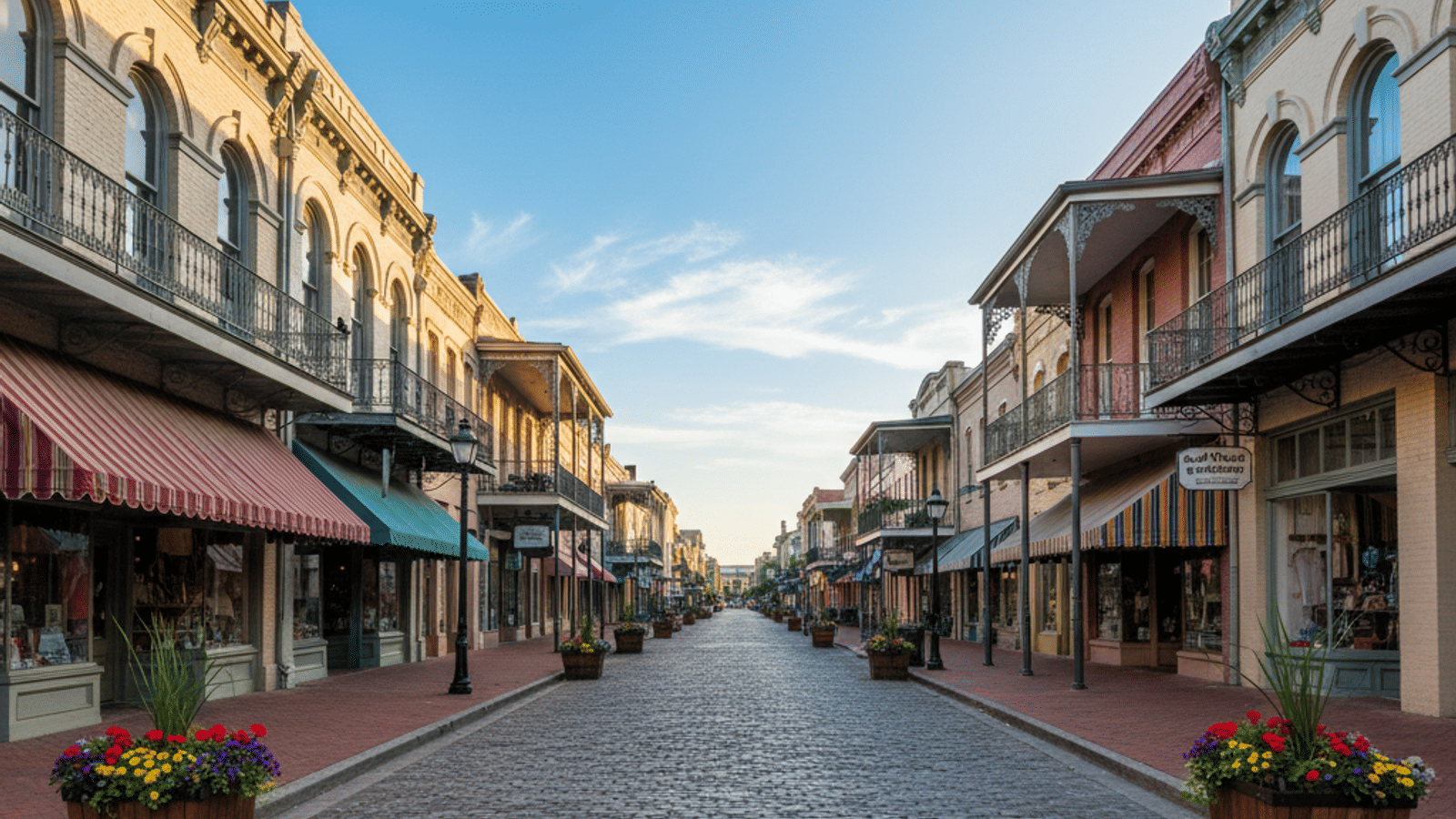
If you walk down The Strand today, grabbing a coffee or browsing the antique shops, it’s easy to get lost in the beautiful Victorian architecture. But for those of us who know the island well, these buildings tell a much deeper story. Before it was a vacation hotspot, Galveston was known as the "Wall Street of the Southwest," standing tall as the wealthiest city in Texas and one of the most important commercial hubs in the country.
The history here isn't a straight line—it’s a cycle of incredible booms, devastating challenges, and reinventions. From its early days as a pirate kingdom to the tragedy of the 1900 Storm, and later its era as a "Free State" playground for high rollers, this island has lived a dozen different lives. For anyone looking at life in Galveston now, understanding this past is key to appreciating the unique spirit of the people who call it home.
Early Inhabitants and European Settlement
Long before the mansions and the cruise ships, the island was the domain of the Karankawa people. They were the first to adapt to the coastal environment, fishing and navigating the bays and estuaries that define our geography. European contact came early, with Spanish explorer Cabeza de Vaca shipwrecking here in 1528, though settlement didn't happen right away.
The island’s most colorful chapter arguably began in the early 19th century with the arrival of Jean Lafitte. In 1817, the notorious pirate established the colony of Campeche right here. For a few years, Galveston was essentially a pirate kingdom where Lafitte ran a massive privateering operation, raiding Spanish ships and smuggling goods.
It wasn't until after Mexico won independence from Spain—and subsequently, Texas won independence from Mexico—that the city began to stabilize into a formal municipality. The City of Galveston was officially incorporated in 1839, marking the transition from a rough-and-tumble pirate base to a burgeoning port city.
The Golden Era and the Civil War
By the late 1800s, Galveston had become an economic powerhouse. It was the primary entry point for immigrants coming to Texas and the main port for shipping cotton to the world. That immense flow of commerce created staggering wealth, which you can still see in the opulent historic homes and commercial buildings from that period.
The Civil War brought conflict to the doorstep. In 1863, the Battle of Galveston saw Confederate forces retake the city from Union control in a decisive naval and land skirmish. However, the most historically significant moment came at the war’s end. On June 19, 1865, Union General Gordon Granger arrived to read General Order No. 3, likely at locations including Ashton Villa. This order enforced the emancipation of enslaved people in Texas, a moment we now celebrate nationally as Juneteenth.
In the decades following the war, that cotton wealth funded a construction boom of Victorian opulence. Grand structures like the Bishop’s Palace and the Moody Mansion were built, showcasing the sophisticated tastes of the island’s merchant elite. It was a time when Galveston wasn't just the biggest city in Texas; it was the cultural capital.
1900: The Storm That Changed Everything
Then came September 8, 1900. Residents were used to storms, but nothing could prepare them for the Category 4 hurricane that slammed into the low-lying island. It remains the deadliest natural disaster in U.S. history, with death toll estimates ranging from 6,000 to 12,000 people.
The destruction was nearly total. A storm surge of over 15 feet swept over an island that was barely above sea level, wiping out neighborhoods and severing the connection to the mainland. In the immediate aftermath, many investors fled inland to Houston, which eventually led to Houston replacing Galveston as the region's economic center. But the people who stayed were determined to rebuild.
What followed was one of the greatest engineering feats ever attempted. Starting in 1902, the city built the massive Seawall to break the waves. Even more incredible was the "Grade Raising." Engineers literally jacked up thousands of buildings—homes, churches, even trees—and pumped sand from the ocean floor underneath them. In some areas, the ground level was raised by up to 17 feet. When you walk around the city today, you are walking on that man-made elevation, a testament to the sheer will to survive.
The "Free State of Galveston": A City of Vice
After the storm and the rebuilding, Galveston found a new way to thrive, especially during Prohibition and the subsequent decades. This era, known as the "Free State of Galveston," was dominated by the Maceo family. Sam and Rose Maceo built a sophisticated syndicate that controlled gambling and bootlegging from the 1920s through the 1950s.
Unlike the rough image of organized crime elsewhere, the Maceos ran Galveston like a high-society resort. The vice economy insulated the island from the worst of the Great Depression. Clubs like the legendary Balinese Room jutted out over the Gulf, hosting massive stars like Frank Sinatra and Duke Ellington. It was illegal, sure, but it was open, glamorous, and generally tolerated because it kept the local economy booming.
This era came to a screeching halt in 1957. The Texas Rangers, determined to clean up the "Free State," raided the gambling halls and smashed the slot machines. The crackdown effectively shut down the gaming economy, sending Galveston into an economic slump that took years to shake off.
Revitalization and Modern Economy
The road back to prosperity didn't rely on just one industry this time. In the 1970s and 80s, a preservation movement began to take root. Local leaders and philanthropists, most notably George Mitchell, saw the value in the city’s neglected history. They invested heavily in restoring The Strand and the surrounding Victorian architecture, turning dilapidated buildings into the vibrant district we see today.
Simultaneously, the University of Texas Medical Branch (UTMB) expanded significantly, becoming the island's largest employer and a major hub for medicine and research. The tourism industry also evolved. It wasn't just about the beach anymore; it was about heritage travel, cruise ships, and major attractions like Moody Gardens and the Pleasure Pier.
As of 2026, over 125 years after the Great Storm, Galveston balances its role as a busy working port with its status as a premier destination. People moving here now aren't just buying a house near the water; they are buying into a community that has proven it can weather any storm.
Experiencing History Today: Key Districts
For those exploring Galveston neighborhoods to find a home or just visiting for the weekend, the history is woven into the physical landscape. Here are a few places where the past is most visible:
- The Strand Historic District: Once the "Wall Street" of the city, these blocks are now lined with shops, restaurants, and galleries housed in 19th-century iron-front buildings.
- East End Historic District: This is where you go to see the residential grandeur. The streets are lined with towering live oaks and ornate homes that survived the 1900 storm and the grade raising.
- Pier 21: This waterfront area offers a look at the maritime history, hosting the Texas Seaport Museum and the 1877 tall ship ELISSA, which you can still see sailing the harbor.
- The Seawall: While it’s the center of beach tourism, the Seawall itself is a historic monument to the city’s recovery and ongoing protection.
Frequently Asked Questions
What is the most famous historical event in Galveston?
The most famous event is undoubtedly the Great Storm of 1900. It stands as the deadliest natural disaster in U.S. history and fundamentally changed the island's geography through the construction of the Seawall and the Grade Raising.
Why is Galveston called the birthplace of Juneteenth?
Galveston is the site where General Gordon Granger read General Order No. 3 on June 19, 1865. This order officially informed the people of Texas that all enslaved persons were free, marking the effective end of slavery in the state two years after the Emancipation Proclamation.
Who were the Maceo brothers in Galveston history?
Sam and Rose Maceo were the leaders of the organized crime syndicate that ran Galveston during the "Free State" era (roughly 1920s–1950s). They were known for operating high-end nightclubs and casinos, like the Balinese Room, which attracted celebrities and wealthy tourists despite gambling being illegal.
When was the Galveston Seawall built?
Construction on the initial segment of the Seawall began in 1902, shortly after the 1900 Storm. It has been expanded and reinforced over the decades to protect the city from future hurricanes and storm surges.

April Aberle
REALTOR ® | Mortgage Originator | Homes for Heroes Affiliate | April Aberle | REMAX Crossroads Realty
or another way