
Categories
GalvestonPublished January 20, 2026
Galveston vs. Freeport: Choosing Your Texas Coastal Home

If you are looking to put down roots on the Texas Gulf Coast, you have likely realized that "coastal living" looks very different depending on which side of the San Luis Pass you choose. On one side, you have Galveston—the historic, bustling island city known for tourism, Victorian architecture, and cruise ships. On the other side, accessible via Highway 288, is Freeport—a quiet, industrial powerhouse that serves as the gateway to some of the best fishing and natural beaches in the state.
Choosing between them isn't just about picking a house; it is about picking a lifestyle. Do you want to be in the middle of the action with walkability and festivals, or are you looking for a lower cost of living and a laid-back, unpretentious atmosphere? Let’s break down the differences to help you decide which spot fits your budget and your daily life.
The Vibe: Historic Resort vs. Quiet Coastal Industry
The atmosphere in these two cities could not be more different. Galveston operates on a unique blend of "Island Time" and high-energy tourism. It feels like a true city. You have the walkable historic downtown area known as The Strand, a constant rotation of festivals like Mardi Gras, and the daily buzz of cruise passengers and day-trippers. It is vibrant, sometimes noisy, and rich in history.
Freeport, on the other hand, is the anchor of the "Brazosport" area. It is unapologetically industrial, serving as the hub for Port Freeport and major employers like Dow Chemical. The vibe here is working-class and quiet. It doesn't have the polished tourist veneer of Galveston, but that is exactly why many locals love it. It feels like a small town that happens to be next to big industry. You won't find souvenir shops on every corner here; instead, you’ll find bait shops, local diners, and a genuine "fisherman's paradise" culture without the crowds.
Cost of Living: Affordability Breakdown
If budget is your primary driver, the conversation usually leans toward Freeport. Generally speaking, Freeport is significantly cheaper than Galveston across the board. In Galveston, you are often paying a "resort premium." Prices are driven up by second-home buyers and investors looking for vacation rentals, which keeps demand high even for older properties.
In Freeport, the market is driven more by the local workforce. You can typically get more square footage and a larger lot for your money here. While grocery and utility costs are somewhat comparable across the region, housing is where you see the gap widen.
Insurance and Taxes
Before you sign a contract, you have to talk about the "hidden" monthly costs of the coast. Both cities are in windstorm and flood zones, meaning your insurance bill will likely include a separate policy for windstorm (often through TWIA) and flood insurance. However, because Galveston is a barrier island exposed directly to the Gulf, premiums there can sometimes be steeper depending on the elevation of the home.
Property taxes also differ. Galveston is in Galveston County, while Freeport is in Brazoria County. Tax rates fluctuate by specific utility districts, but buyers often find the overall entry cost in Freeport lower, leaving more room in the monthly budget for those insurance premiums.
- Galveston Median Home Price: Estimated $330,000 to $400,000 (highly variable between the West End and In-town).
- Freeport Median Home Price: Estimated $150,000 to $220,000 (a much more affordable entry point for first-time buyers).
Housing Market: Condos, Victorians, or Ranch Styles?
The type of home you want might make the decision for you. Galveston’s inventory is incredibly diverse. You can find stunning historic Victorian homes in the East End, high-rise luxury condos with Gulf views, or raised beach cottages on the West End. There is also a significant market for student housing near the University of Texas Medical Branch (UTMB). The rental market is robust, so if you are looking to buy an investment property to short-term rent, Galveston is the established player.
Freeport’s real estate market is much more traditional. The inventory consists largely of single-family ranch-style homes dating back to the mid-century, with some new construction popping up inland. You won’t find many high-rise luxury condos here. Most homes are owner-occupied or long-term rentals for plant workers. If you are looking for homes for sale in Freeport, you are likely looking for a primary residence rather than a vacation rental investment.
Beaches and Recreation: Seawall vs. Surfside
This is a major point of confusion for newcomers. Galveston has the famous Seawall—miles of concrete protection with beaches, restaurants, and the Pleasure Pier right across the street. The beaches here are managed and often bustling with tourists. You also have Stewart Beach and East Beach, which host concerts and festivals. The water can be a bit murkier due to the currents, but the amenities are unbeatable if you want bathrooms, showers, and umbrella rentals nearby.
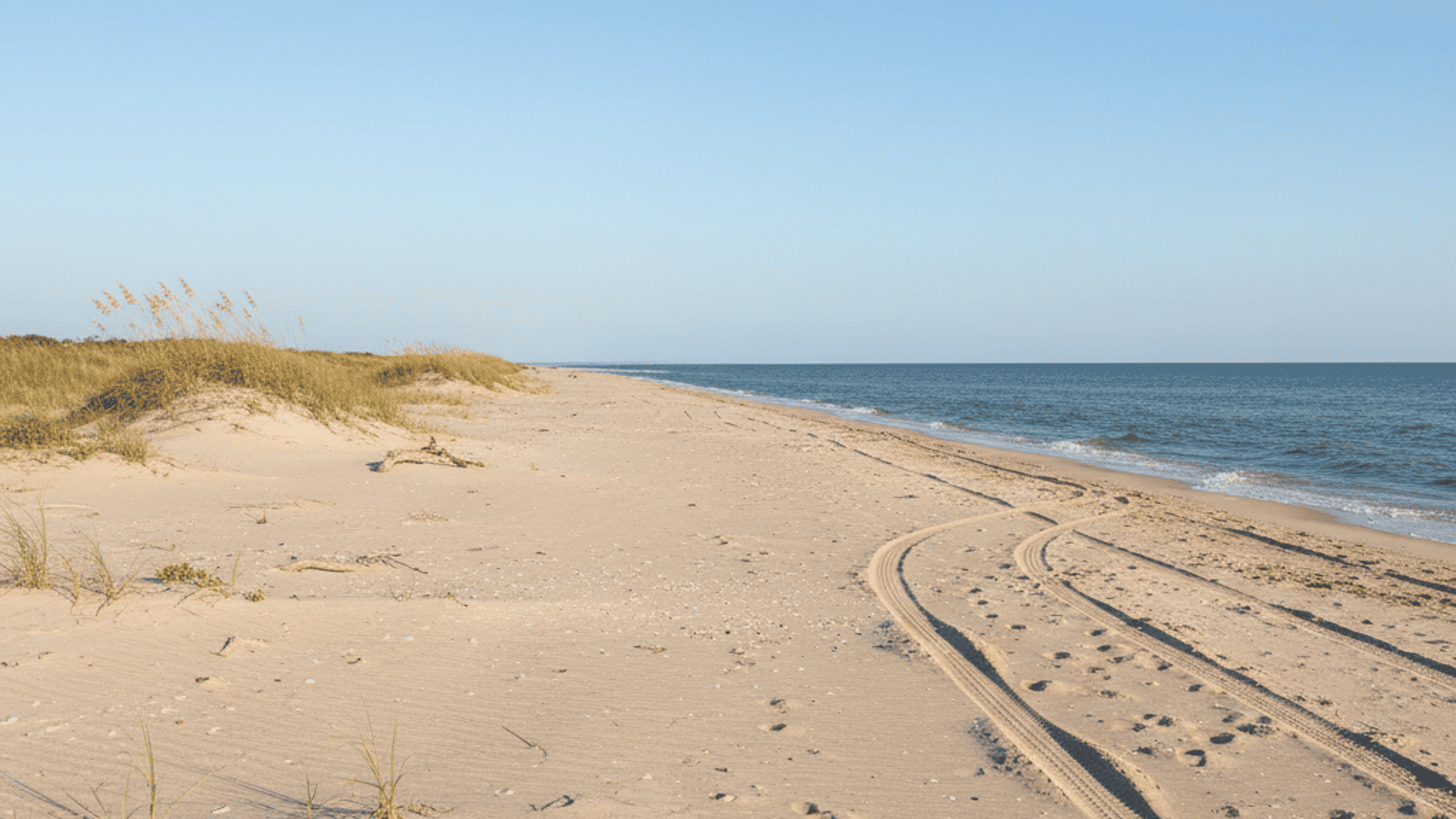
Freeport itself is slightly inland, but it is the gateway to Surfside Beach and Bryan Beach. Locals in Freeport typically drive five minutes over the bridge to Surfside for their beach days. Surfside allows driving on the beach in many areas, making it easy to tailgate, fish, or surf. The water here is generally considered cleaner and bluer (on good days) than in Galveston. It is a much more natural, uncommercialized experience—great for bonfires and fishing, but lacking the polished amenities of the Seawall.
Commuting and Local Economy
Your commute will depend heavily on where you earn your paycheck. Galveston’s economy is powered by tourism, healthcare (UTMB is a massive employer), and education. If you work in Houston, the commute up I-45 is a straight shot, but it is prone to heavy traffic. On a clear day, it’s about 50 to 60 minutes to downtown Houston, but summer weekends can turn the highway into a parking lot due to beach traffic.
Freeport’s economy is industrial. If you work at Dow, BASF, or the Port, living in Freeport means a commute measured in minutes, not hours. For those commuting to Houston, you would take Highway 288. This road has seen massive development recently. It is also about a 50 to 60-minute drive to downtown Houston, but it tends to be heavy with industrial trucks and commuter traffic rather than tourists.
Hurricane Risk and Preparedness
Living on the Texas coast means accepting hurricane risk. Both cities are vulnerable to storm surge and high winds, but they have different defense systems.
Galveston is famous for its Seawall, which protects the core of the city from surge. However, the West End and the Bay side of the island are not behind the Seawall and flood frequently, sometimes even during high tides or strong storms that aren't hurricanes.
Freeport is protected by a levee system managed by the Velasco Drainage District. This system was built to protect the residents and the critical industrial infrastructure from the Brazos River and storm surge. While the city of Freeport stays relatively dry behind the levees during many events, the nearby beach community of Surfside floods easily. Regardless of which city you choose, carrying flood insurance is essential, and having an evacuation plan is a non-negotiable part of life here.
Which City is Right for You?
Ultimately, the choice comes down to what you want your daily life to look like.
You might prefer Galveston if:
- You love historic charm and want a walkable neighborhood.
- You want access to top-tier medical facilities like UTMB within minutes of your home.
- You enjoy the energy of a tourist town and want plenty of restaurant and entertainment options.
- You are okay with higher housing costs for the sake of location.
You might prefer Freeport if:
- You are looking for affordability on the Gulf Coast and want to maximize your budget.
- You work in the local industrial plants and want a short commute.
- You prefer a quiet, "small town" feel over a resort atmosphere.
- Your ideal weekend involves deep-sea fishing or driving your truck onto the sand at Surfside.
Frequently Asked Questions
Is Galveston or Freeport cheaper to live in?
Freeport is generally much cheaper than Galveston. Home prices in Freeport are significantly lower because it lacks the "resort" demand of Galveston, and the cost of living regarding entertainment and dining tends to be lower as well.
Which has better beaches, Galveston or Freeport?
It depends on what you like. Galveston offers amenities, paved parking, and beachfront restaurants along the Seawall. Freeport provides access to Surfside Beach, which is more natural, offers drive-on access, and is generally preferred by anglers and surfers for its cleaner water.
How far is Freeport from Galveston?
Freeport is about a 45-minute drive from Galveston. You can travel between them using the Bluewater Highway, which runs along the coast and offers scenic views of the Gulf and the bay.
Is it safe to live in Freeport, Texas?
Freeport is a working-class, industrial community that generally feels like a quiet small town. Like any city, it has specific neighborhoods that are more desirable than others, but it is widely considered safe for residents who work in the local industries.
Can you commute from Galveston to Houston?
Yes, many people commute from Galveston to Houston using I-45 North. The drive typically takes about 50 to 60 minutes to reach downtown, though traffic during rush hour or tourist weekends can significantly increase that time.

April Aberle
REALTOR ® | Mortgage Originator | Homes for Heroes Affiliate | April Aberle | REMAX Crossroads Realty
or another way