
Categories
GalvestonPublished April 23, 2026
How Long to Sell My Home in Galveston TX: A 2026 Timeline Guide

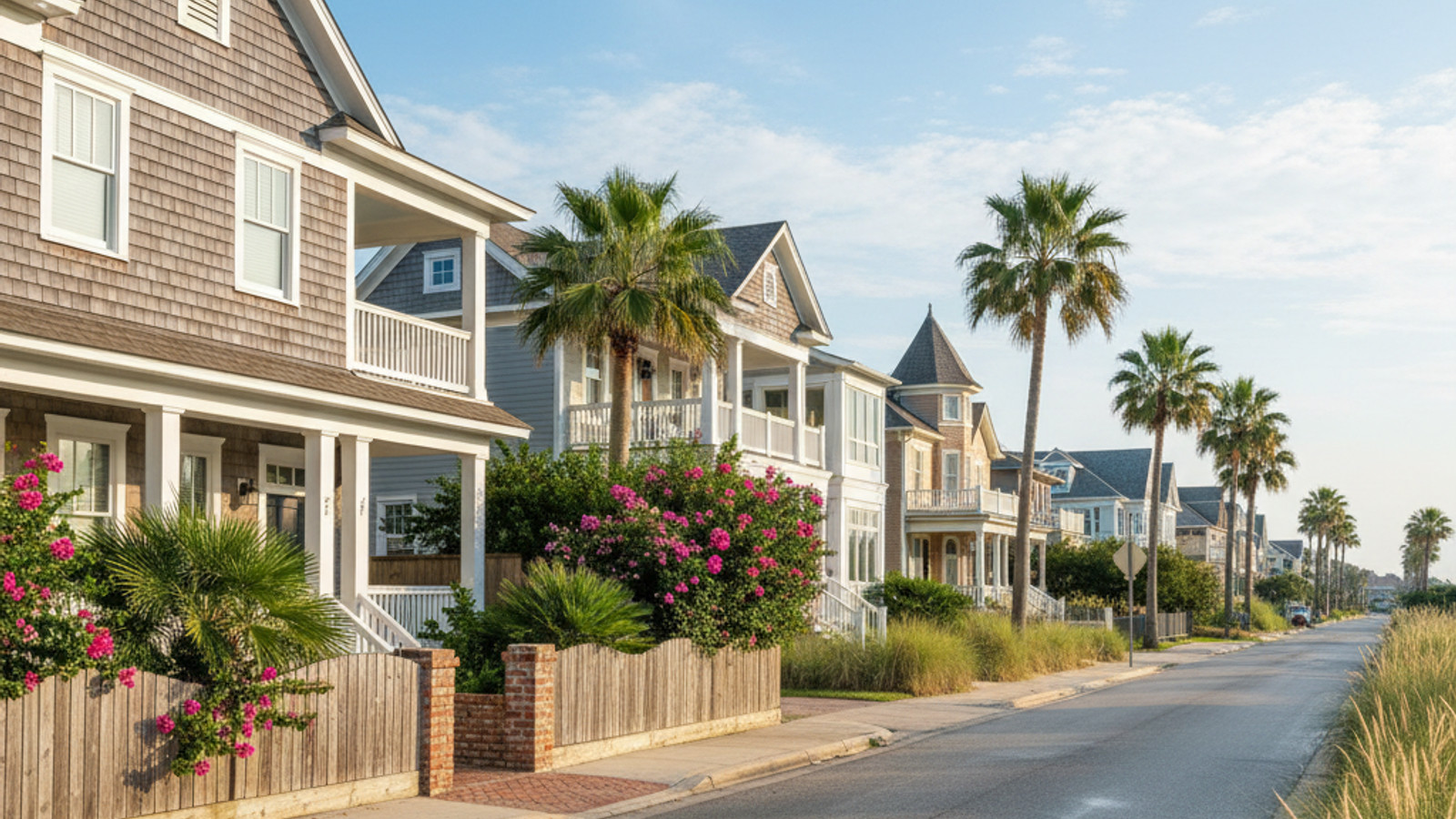
Selling property on the Texas coast requires understanding highly localized market rhythms. Homeowners often ask how long to sell my home in Galveston TX as they prepare for their next financial move. The island operates on its own unique schedule driven by weather patterns, flood zoning, and seasonal tourism.
Galveston has long served as a primary coastal retreat for Houston residents and out-of-state investors alike. However, the dynamics of listing a property here involve much more than simply placing a sign in the yard. Navigating the nuances of coastal real estate requires careful timing and thorough preparation.
As we move through the Spring 2026 market, setting realistic expectations is crucial for a smooth transaction. Rising inventory levels have shifted the balance, giving buyers more options to weigh before submitting an offer. A strategic approach to pricing can mean the difference between a quick closing and a listing that lingers for months.
Understanding the timeline for selling your home provides a clear advantage during negotiations. Sellers who anticipate buyer requests regarding flood maps and homeowners insurance can maintain control of the transaction. A proactive approach ultimately secures a stronger final sale price.
How Long Does It Take to Sell a House in Galveston?
The current real estate market in Galveston reflects a noticeable cooling pace compared to the frenzied buying of previous years. As of April 2026, the average days on market ranges from 76 to 130 days. This extended timeline means sellers must plan ahead and expect a longer showing period before securing a solid offer.
A major driver behind this shift is the recent increase in available inventory across the island. Buyers are taking their time to schedule multiple property tours and thoroughly review complex inspection reports. Homes that are priced accurately from the start are much more likely to sell closer to the 76-day mark.
Median list prices also play a heavy role in determining how fast a property moves on the local MLS. The median home price in Galveston currently hovers between $365,000 and $429,000. This range fluctuates heavily depending on the specific neighborhood and the structural integrity of the home.
Pushing the asking price above these regional medians without offering premium upgrades often results in a stagnant listing. Buyers in 2026 are highly educated on current market conditions and will quickly bypass overpriced homes. Establishing a competitive asking price immediately is the best defense against accumulating excessive days on market.
The negotiation phase also contributes to the overall timeline of the sale. Bidding wars are far less common today than they were a few years ago. Buyers now expect room to negotiate on the asking price and often request seller concessions for closing costs.
Seasonal Selling Trends in the Coastal Market
Galveston's coastal location makes seasonal selling trends highly relevant for listing timelines. Spring and early summer consistently attract the highest volume of buyer activity across the island. This period brings in vacation rental investors and buyers looking to secure a property before the peak summer season begins.
The transition from spring to summer creates a natural sense of urgency for buyers wanting immediate access to the Gulf. Properties listed during these months benefit from extended daylight hours for evening showings. The vibrant local atmosphere during this time also helps showcase the coastal lifestyle to prospective buyers.
Conversely, listing during peak hurricane season from late summer into early fall can significantly slow down property showings. Buyers naturally hesitate when weather threats loom over the Gulf of Mexico. Closing timelines often stall out during these months due to temporary insurance binding restrictions mandated by carriers.
Sellers should strategically plan their listing date around these seasonal shifts to minimize their days on market. Waiting until the height of storm season to list usually guarantees a longer wait for a qualified buyer. Timing the market correctly gives your property the maximum exposure when buyer confidence is highest.
Marketing efforts must pivot based on the season you choose to list your property. Spring listings should highlight outdoor entertaining spaces and proximity to local attractions. Fall listings need to emphasize the structural integrity and weather readiness of the home.
Objective Factors Affecting Home Selling Speed in Galveston
Beyond general market conditions, specific geographic and regulatory factors heavily influence how fast a home sells on the island. Proximity to the Seawall or immediate beachfront access remains a primary driver of buyer demand. Properties located within walking distance of the water generally capture more initial interest and early tour requests.
However, that same proximity brings complex flood zone designations into the equation. Homes located in VE or AE flood zones require strict elevation certificates and specialized insurance coverages. Navigating these flood maps and securing accurate quotes can easily add weeks to a buyer's due diligence period.
Windstorm insurance requirements also impact a buyer's timeline and the overall negotiation process. Obtaining a Texas Windstorm Insurance Association policy demands specific structural certifications that buyers will heavily scrutinize. If a home lacks updated windstorm certificates for recent roof or window work, sellers can expect significant delays.
The physical location of the property on the island also dictates the speed of the sale. Homes on the West End often appeal to a different demographic than those located closer to the downtown strand. Understanding the specific appeal of your property's location helps tailor the marketing strategy to the right audience.
Mortgage approvals present another variable that can extend the days on market. Lenders require highly specific appraisals for coastal properties to verify structural safety. Any delays in the appraisal process directly impact the final closing date.
Beachfront Condominiums vs. Historic Single-Family Homes
Different property types in Galveston attract distinct buyer profiles and operate on separate selling timelines. Beachfront condominiums often appeal to investors or second-home buyers looking for low-maintenance coastal properties. While these units can sell quickly, the financial health of the building's association plays a massive role in the transaction.
High condo HOA fees - sometimes exceeding $500 per month - can deter budget-conscious buyers and extend the days on market. Buyers will heavily scrutinize the condominium resale certificate to check for upcoming special assessments. Delays in obtaining these required condo documents from the management company frequently push back closing dates.
In contrast, historic single-family homes in specific areas like the East End draw buyers interested in architectural preservation. Selling these properties requires finding a buyer willing to navigate strict historical district guidelines for future renovations. The specialized nature of these older homes means they often sit on the market longer while searching for the right match.
Vacation rental properties present a unique scenario for sellers and their real estate agents. Buyers purchasing an active rental will want to review months of income history and future booking logs. Compiling this financial data accurately takes time but is essential for justifying the asking price.
Actionable Steps to Decrease Time on the Market
Taking proactive steps before listing can drastically reduce the time a property sits waiting for an offer. Sellers must focus on eliminating the common hurdles that cause buyers to pause or walk away during the inspection phase. A well-prepared home signals to buyers that the property has been properly maintained against harsh coastal elements.
Implementing a strong, data-driven pricing strategy from day one is the single most effective way to avoid stale listings. Overpricing a home often leads to inevitable price drops, which can make buyers question what is wrong with the property. Working closely with a real estate agent to analyze comparable sales ensures your initial asking price is grounded in reality.
Visual presentation is equally critical for capturing the attention of out-of-town buyers browsing the MLS. Most buyers searching in Galveston live hours away and rely entirely on digital media to select their tour candidates. Investing in high-quality professional photography is non-negotiable if you want to compete with other active listings.
To make your property stand out and attract offers faster, consider these essential preparation steps:
- Complete necessary coastal weatherproofing repairs, such as roof inspections and impact window checks, before listing.
- Gather all elevation certificates, windstorm documentation, and recent utility bills to hand over immediately during due diligence.
- Stage outdoor living spaces to highlight the coastal lifestyle and maximize the appeal of decks and patios.
- Providing this documentation upfront builds immediate trust with potential buyers and their lenders. It also prevents the common delays associated with tracking down county records midway through a complex transaction.
The condition of the HVAC system is heavily scrutinized by buyers in the Texas heat. Coastal salt air degrades exterior condenser units much faster than in inland markets. Having the system serviced and providing a clean inspection report removes a major point of friction for buyers.
Frequently Asked Questions
What is the hardest month to sell a house in Galveston, TX?
September is historically the most challenging month to sell a home on the island. This coincides with the peak of hurricane season, which routinely disrupts travel for showings and halts insurance bindings. Buyers tend to wait until the weather threats pass before committing to a coastal real estate purchase.
Why are so many people selling their homes in Galveston right now?
The recent increase in inventory during Spring 2026 is largely driven by homeowners adjusting to rising property insurance premiums. Many long-term owners are capitalizing on the equity gained over the past few years to relocate inland. Additionally, some vacation rental investors are consolidating their portfolios in response to shifting local market conditions.
What decreases property value the most for coastal Texas homes?
Deferred maintenance on exterior weatherproofing is the fastest way to diminish a coastal property's value. Unmitigated flood risks and aging windstorm defenses signal massive upcoming expenses for potential buyers. Without current windstorm certificates or an elevated structure, buyers will heavily discount their initial offers to offset the liability.

April Aberle
REALTOR ® | Mortgage Originator | Homes for Heroes Affiliate | April Aberle | REMAX Crossroads Realty
or another way