
Categories
GalvestonPublished April 23, 2026
Mastering Pricing Strategies in Galveston TX for 2026 Sellers

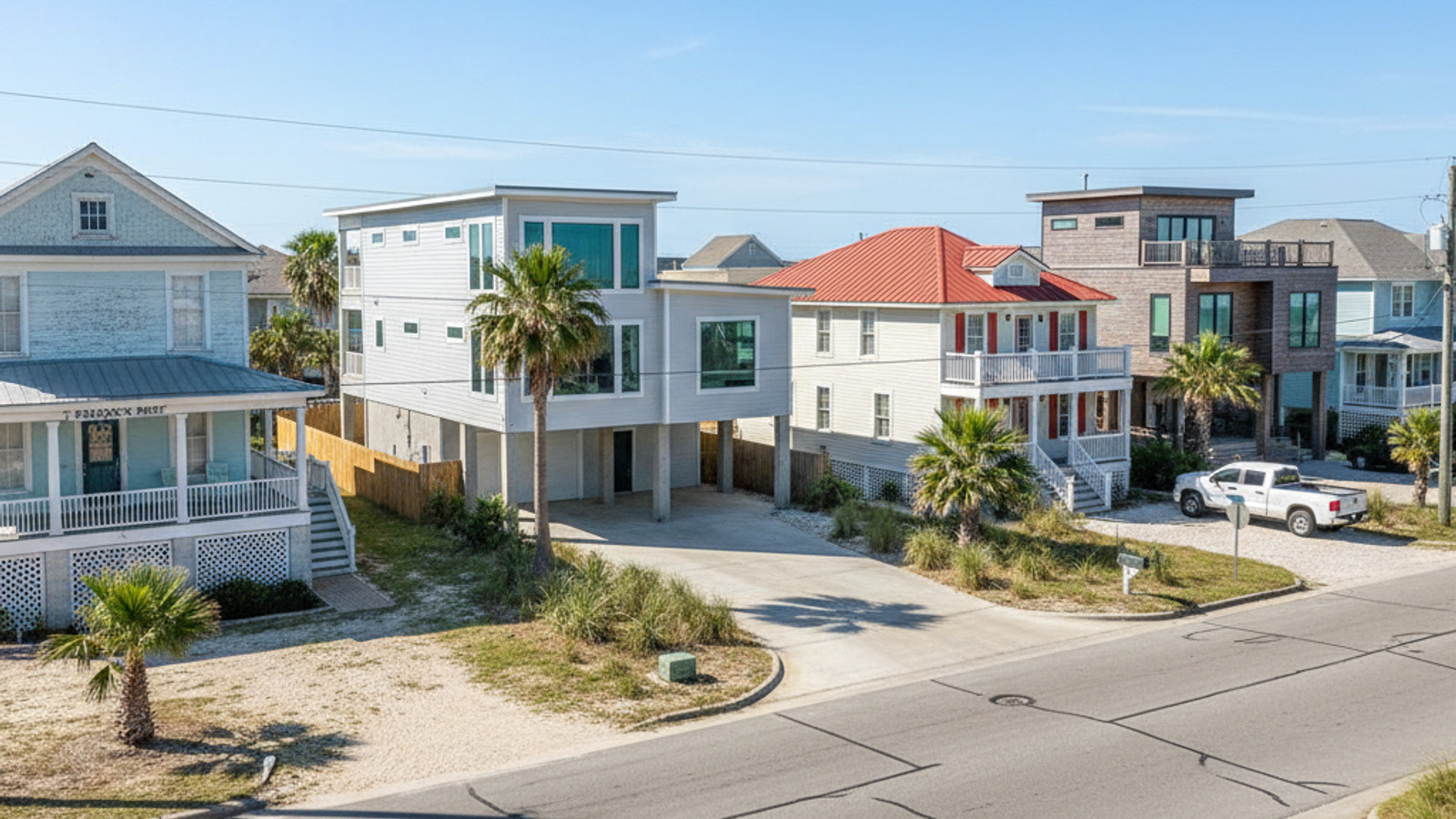
Selling property on the Texas coast requires a sharp understanding of current market dynamics and buyer expectations. The landscape has shifted significantly, meaning sellers need precise pricing strategies in Galveston TX to secure a profitable sale this year. What worked during the frantic buying waves of previous years will no longer attract serious offers in 2026.
Buyers today are taking their time to evaluate insurance costs, property conditions, and exact locations before making a commitment. Setting the right asking price from day one is the most effective way to capture attention and prevent a listing from growing stale.
Current State of the Galveston Real Estate Market in 2026
The island's housing landscape has officially transitioned into a more balanced environment. Currently, the median list price hovers around an approximate $420,000, but median sale prices are closing closer to $350,000. This noticeable gap highlights that buyers are actively negotiating and securing concessions before closing the deal.
Properties are also sitting on the market much longer than they did just a few years ago. Sellers should anticipate an average of 75 to 100 days on the market before reaching the closing table.
The current sale-to-list ratio sits at approximately 93 percent across Galveston County. Buyers clearly have gained significant negotiating leverage and are not afraid to use it. "Hope pricing" - listing high just to see what happens - is heavily punished in 2026, making an accurate initial price critical for success.
Pricing Strategies by Galveston Property Type
Galveston is not a uniform market, and applying a broad pricing formula across the island is a major mistake. The comparative market analysis for a high-rise condo looks completely different than one for a sprawling single-family home. Each housing category attracts a specific type of buyer with distinct financial priorities.
Treating all island properties the same inevitably leads to mispricing and extended holding costs. Sellers must evaluate their specific property type against highly similar, recent sales rather than relying on general island-wide averages.
Valuing Beachfront Properties and Vacation Rentals
Homes operating as short-term rentals require pricing that reflects their income-generating potential. A proven, documented rental history directly increases the list price for investors looking for immediate returns. Fully furnished, turnkey vacation rentals will always command higher listing prices compared to vacant properties that require immediate out-of-pocket setup costs.
Location along the water also creates steep pricing tiers that sellers must recognize. Direct waterfront access carries a massive premium over secondary row properties, even if the homes share identical floor plans.
Pricing Historic Homes in the East End
The East End features stunning architecture, but pricing these historic properties requires balancing heritage charm with modernization costs. Proximity to the Strand Historic District adds specific value, offering high walkability to dining and entertainment. However, the asking price must also reflect the ongoing cost of maintenance and strict compliance with local historic district regulations.
Fully updated historic homes command top dollar because buyers avoid the complex renovation process. Conversely, properties needing foundation leveling or roof replacement must be discounted aggressively to attract buyers willing to take on the project. Correctly pricing these homes means understanding exactly what a restoration will cost in today's labor market.
How Objective Location Features Influence Value
Exact geographic placement on the island dictates both the appraisal value and a buyer's willingness to pay. A distance of just two blocks can drastically alter a property's market value in Galveston. Buyers are highly sensitive to commute times and infrastructure access, not just ocean views and beach proximity.
Sellers often overestimate the appeal of a general zip code without analyzing the immediate street-level features. Being close to major thoroughfares, grocery stores, and medical centers adds tangible value that should be factored into the listing price.
Proximity to the Seawall and Commute Access
Walkability to Seawall Boulevard offers immense value for daily recreation and tourism appeal. Properties located within a short stroll of this major landmark naturally support higher asking prices due to their convenience. Buyers prioritize this easy access when evaluating homes for both personal use and rental potential.
For full-time residents, easy access to Interstate 45 reduces commute times to mainland Houston. Homes positioned with quick highway access often see increased values because they eliminate the traffic bottlenecks found deeper on the island. Quantifying these specific distances from major thoroughfares helps justify the desirability and price of single-family homes.
Navigating Flood Zones and Windstorm Insurance
Insurance costs play a critical role in determining a realistic list price for coastal real estate. High insurance premiums reduce a buyer's overall purchasing power, forcing sellers in high-risk zones to price more conservatively. The average National Flood Insurance Program policy in Galveston County is approximately $1,000 annually, which buyers factor directly into their monthly budgets.
Fortunately, Texas Windstorm Insurance Association rates have seen an approximate 0 percent change for 2026, offering some stability. Sellers should still highlight elevation certificates, as homes built above base flood elevation can justify higher asking prices.
Adjusting for Seasonal Demand and Holding Costs
Timing the market correctly can significantly impact a seller's net profit. Listing a property in the early spring captures peak buyer demand before the lucrative summer rental season begins. Investors are particularly motivated to close quickly during this window so they can start generating revenue immediately.
Sellers must also factor carrying costs like property taxes and HOA fees into their pricing timeline. High monthly carrying costs require faster sales strategies to prevent eating into the final equity. Overpricing during the slow winter months will entirely consume potential profits through these unavoidable holding costs.
A strategic price reduction is often more cost-effective than holding a vacant property for an extra three months. Sellers who understand their exact monthly expenses can make logical, data-driven decisions about their listing price.
Frequently Asked Questions
Is Galveston a buyer's market right now?
As of 2026, Galveston is leaning toward a buyer's market due to increased inventory and longer days on the market. Buyers currently have the leverage to negotiate repairs, request closing costs, and push for price reductions. Sellers must price accurately to attract offers in this competitive environment.
How can I sell my house fast in Galveston?
Pricing 3 to 5 percent below the most recent comparable sales is the most effective strategy for speed. Sellers can also utilize house-buying companies for immediate cash, though these entities purchase well below market value. Transparency about the property condition is the best defense against buyer negotiations and delayed closings.
Why are people selling in Galveston?
Many property owners choose to sell to capitalize on equity gained over the past real estate cycle. Others list their homes to offload carrying costs like windstorm insurance and property taxes. Investor timelines also play a role, as many choose to liquidate assets after holding them for a standard five to ten years.

April Aberle
REALTOR ® | Mortgage Originator | Homes for Heroes Affiliate | April Aberle | REMAX Crossroads Realty
or another way