

Categories
GalvestonHow is the Port of Galveston's cruise expansion affecting real estate in Galveston County?
The Port of Galveston opened its fourth cruise terminal in November 2025 and is projecting nearly 2 million cruise passengers in 2026, with a $2.4 billion master plan extending through 2045. That scale of infrastructure investment is reshaping demand for short-term rentals, workforce housing, and mixed-use commercial properties across Galveston Island and the surrounding county, while the broader residential market shows moderate price softening from its pandemic-era peak.If you're watching this market as a buyer, seller, or investor, here's what the port's growth actually means for property values and lifestyle on the island right now.
What the Port's Expansion Looks Like on the Ground
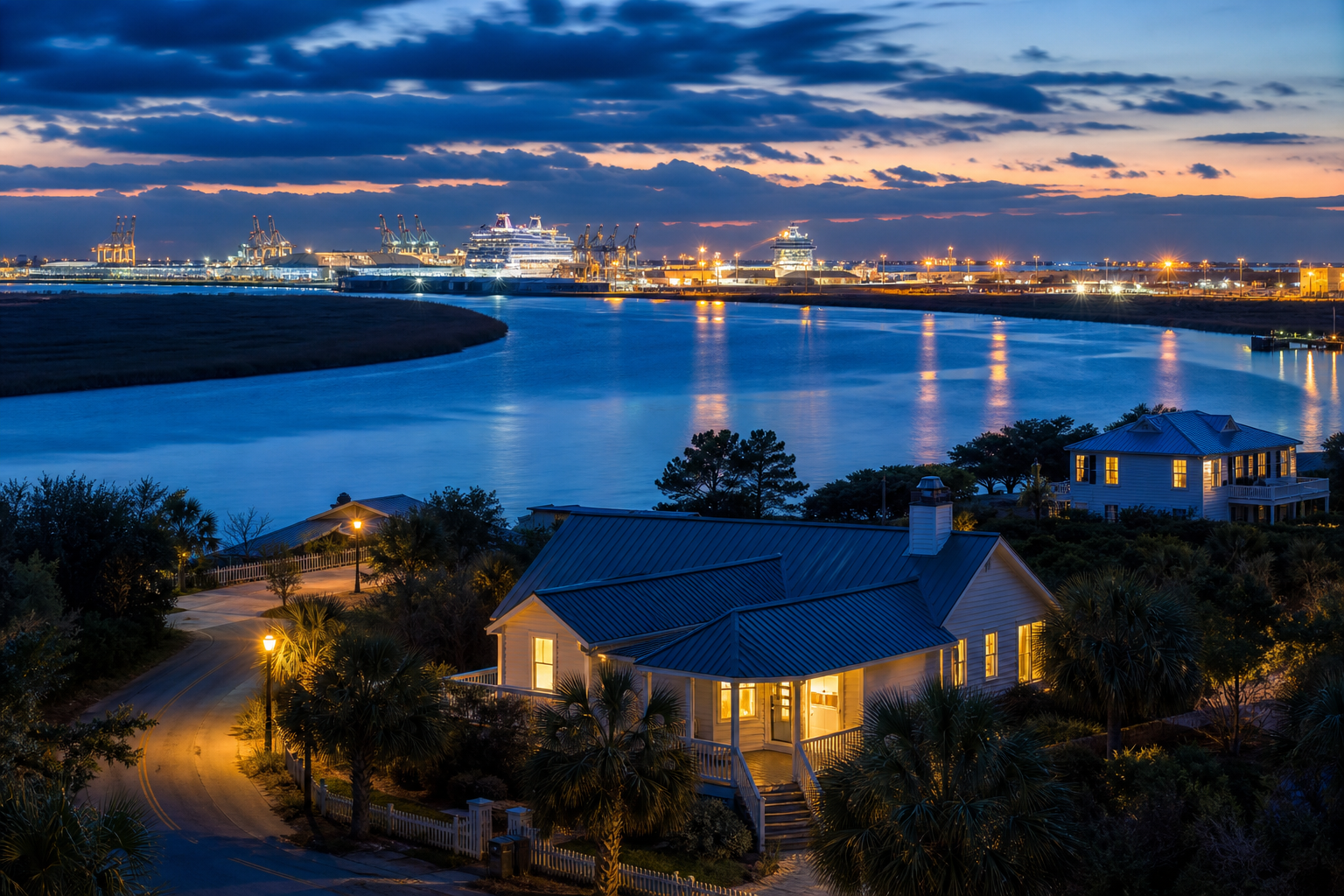
This isn't a future promise. The construction and growth are already underway, and the numbers are significant.The port's fourth cruise terminal, Cruise Terminal 16 at Pier 16, opened on November 7, 2025. It's a converted 165,000-square-foot cargo warehouse, paired with a $55 million parking garage and two custom boarding bridges. According to the Port of Galveston, the terminal was funded in part by long-term contracts signed in 2024 with MSC Cruises and Norwegian Cruise Line Holdings, making Galveston a homeport for MSC Seascape, which launched 7-night sailings to Mexico and Central America in November 2025.
Port CEO Rodger Rees has stated he expects the port to reach 445 sailings and almost 2 million passengers (roughly 4 million total passenger movements) in calendar year 2026. The port's own forward estimate, published in December 2025, projects that Terminal 16 alone will create 1,085 jobs and generate an annual economic impact of $138 million in personal income, business revenue, and state and local taxes. That estimate remains the latest port economic impact figure available as of August 2026.
And the port isn't stopping at four terminals. A July 2026 report from Strategic Partnerships, Inc. confirms that Galveston is advancing early study work on a potential fifth cruise terminal at Pier 14, positioned between Royal Caribbean's Terminal 10 and the new Terminal 16. The 2026 master plan update outlines roughly $2.4 billion in expansion through 2045 and sets a long-term goal of docking seven ships simultaneously. These are projections, not completed projects, but they signal the direction clearly.
On the cargo side, major berth improvements designed to accommodate 46-foot-draft ships are on track for commissioning in the second half of 2026, expanding the port's capacity beyond cruise alone.
Meanwhile, a January 2026 port update describes the final phase of a 2-mile internal roadway between roughly 10th and 41st streets, a direct response to higher cruise and cargo traffic volumes. That roadway project matters to anyone buying near Harborside Drive, because the goal is to pull port traffic off surface streets and route it through a dedicated internal corridor.
The Mixed-Use Layer
Beyond terminals and berths, port officials have proposed something bigger. A March 2026 report in The Real Deal details a proposed $2+ billion mixed-use expansion concept that would include two additional cruise terminals, conversion of an existing terminal into a flex berth, and adjacent development for hotels, retail, and entertainment. This is early-stage and conceptual, nothing is guaranteed, but it's the kind of signal that investors and developers watch closely when evaluating land near Pier 14 and the surrounding waterfront.For buyers evaluating downtown Galveston or the East End, this mixed-use direction matters. Properties near the Strand corridor and Harborside are already positioned to benefit from cruise-visitor foot traffic. If the mixed-use concept moves forward, the radius of impact grows.
What This Means for Property Values and Investors
Here's where I want to be straightforward with you: the port's expansion is a genuine economic tailwind, but it doesn't override the broader market dynamics you need to understand before making a move.Where the Market Stands in 2026
The long-run appreciation picture for Galveston County is strong. The All-Transactions House Price Index for Galveston County (FHFA data via the Federal Reserve Bank of St. Louis) shows an index value of 324.86 for 2025 (2000=100), more than triple the baseline from 25 years ago. That's the latest annual federal data point available as of August 2026.More recently, the market has moderated. Portal data through July 31, 2026 (Zillow, market-color estimate) shows an average Galveston County home value of approximately $321,294, down about 1.8% over the prior 12 months, with homes going pending in around 42 days. The median sale price sits near $351,741, while the median list price runs closer to $399,600, a gap that tells you sellers are still testing the ceiling but buyers are negotiating.
Appraisal data from the Galveston Central Appraisal District (via O'Connor) showed a 7.5% jump in estimated home market value for 2025, followed by a slower 1.7% rise for 2026, moderating, but still positive appreciation at the county level.
| Metric | Figure | Source / Period |
|---|---|---|
| FHFA House Price Index, Galveston County | 324.86 (2000=100) | FRED / FHFA, latest annual data (2025) |
| Average home value, Galveston County | $321,294 (down 1.8% YoY) | Zillow portal estimate, through July 31, 2026 |
| Median sale price, Galveston County | $351,741 | Zillow portal estimate, through July 31, 2026 |
| Median list price, Galveston County | $399,600 | Zillow portal estimate, through July 31, 2026 |
| Median days to pending | ~42 days | Zillow portal estimate, through July 31, 2026 |
| Projected cruise passengers in 2026 | ~2 million (450 sailings) | Port of Galveston, December 2025 projection |
| Terminal 16 estimated annual economic impact | $138 million | Port of Galveston, December 2025 estimate |
Short-Term Rentals and Cruise-Driven Demand
Nearly 2 million cruise passengers passing through Galveston in 2026 creates real, year-round demand for short-term stays, pre-cruise nights, post-cruise layovers, and day-visitor traffic that spills into nearby neighborhoods. Properties within easy reach of the terminals, with walkable access to the Strand or off-street parking, are positioned to capture that demand.That said, I always tell clients who are interested in short-term rental investing to understand the full picture before they fall in love with a property. Galveston has its own city STR ordinances, and HOA restrictions can limit or eliminate rental flexibility depending on the complex. Coastal buyers also need to factor in flood insurance, elevation certificates, and seasonal rental patterns before running the numbers. Those variables move the needle on an investment property more than the purchase price alone.
Workforce Housing and Rental Demand Beyond the Waterfront
The port's projection of 1,085 new jobs tied to Terminal 16 isn't just an economic headline, it's a housing signal. Port employees, cruise line staff, hospitality workers, and logistics personnel need places to live. That demand doesn't concentrate on the waterfront; it flows toward more affordable neighborhoods in Galveston, La Marque, Texas City, and communities across the county where rents run below tourist-zone premiums.If you're evaluating investment properties in those areas, the port's employment growth is worth factoring into your long-term rental demand assumptions. My Texas City investment market overview covers some of those dynamics in more detail.
What Buyers Near the Port Should Watch
For anyone evaluating property close to Harborside Drive or the terminal complex, a few practical considerations:- Traffic patterns are changing. The new internal roadway between 10th and 41st streets is designed to route cruise and cargo traffic off surface streets. How that plays out block by block matters for livability, and it's the kind of thing a local agent who knows the street grid can walk you through before you make an offer.
- Easements and right-of-way. Port-adjacent properties can carry easements, encroachments, or zoning classifications tied to industrial or commercial uses. Local title companies in Galveston County will conduct a thorough title search before closing, but it's worth flagging these questions early in the process.
- Zoning shifts are possible. If the mixed-use expansion concept advances, zoning around Pier 14 and adjacent tracts could change. That can be a positive for commercial or hospitality investors, and a consideration for anyone buying residential property in that corridor.
- Noise and embarkation traffic. Peak embarkation and debarkation hours bring concentrated activity. Some buyers see that as energy; others factor it as a discount. Your specific situation depends on the block, the property type, and how you plan to use it.
Frequently Asked Questions
How is the Port of Galveston's new cruise terminal and proposed fifth terminal affecting home prices in Galveston County?
The port's expansion is contributing to sustained economic activity and job creation in Galveston County, but it hasn't reversed the moderate price softening seen across the broader market in 2026. Portal data through July 31, 2026 shows the average county home value down about 1.8% year-over-year, while long-run appreciation remains strong, the FHFA House Price Index for Galveston County stood at 324.86 (2000=100) for 2025. Sub-markets close to cruise terminals and STR-friendly zones may outperform county averages, particularly where tourism demand supports year-round occupancy.Is buying a short-term rental near the Galveston cruise terminals a good idea given the expansion?
The demand case is real: nearly 2 million cruise passengers are projected to pass through Galveston in 2026, and many need pre- or post-cruise accommodations. But before buying, you need to understand Galveston's current STR ordinances, any HOA restrictions on the specific property, flood insurance requirements, and elevation certificate status. Those factors can significantly affect your net returns and should be evaluated before you fall in love with a particular unit. I walk investors through all of this before we start touring.Will more cruise traffic make congestion worse around the island, and how does that affect property values?
The port is actively addressing this. The final phase of a 2-mile internal roadway between roughly 10th and 41st streets is under construction in 2026 specifically to route cruise and cargo traffic off Harborside Drive. The new Terminal 16 also includes the first dedicated onsite parking garage at the cruise complex, which is intended to reduce surface street pressure. Some streets will still see elevated activity during peak embarkation hours, how that affects a specific property depends on its location relative to the new circulation routes.Are port jobs bringing new demand for workforce housing in Galveston and nearby communities?
The port's own estimate projects that Terminal 16 will create approximately 1,085 jobs and generate $138 million in annual economic impact. That employment growth creates real rental and purchase demand, particularly in more affordable communities off the immediate waterfront, areas like La Marque, Texas City, and inland Galveston neighborhoods where rents run below tourist-zone premiums. Investors evaluating long-term rental properties in those areas should factor port employment growth into their demand assumptions.Is the Galveston real estate market cooling in 2026, or is port expansion still driving strong demand?
Both things are true at once. The county-wide market has moderated from its peak, with portal data showing modest price softening and longer days on market compared to 2021-2022. At the same time, the port's expansion, including nearly 2 million projected cruise passengers, a proposed $2+ billion mixed-use development concept, and a $2.4 billion master plan through 2045, is creating genuine economic tailwinds that support demand in specific sub-markets. Buyers and investors who understand which pockets of the market are positioned to benefit from cruise-driven activity will be better placed than those looking at county averages alone.The Bottom Line
The Port of Galveston's expansion is one of the most significant economic stories on the Texas Gulf Coast right now, and it has real implications for property values, rental demand, and long-term investment potential across Galveston County. But translating a port master plan into a smart real estate decision takes local knowledge, which properties sit in the right zone, which blocks will see improved traffic flow, which STR opportunities actually pencil out after insurance and ordinance compliance.That's exactly the kind of analysis I do with buyers and investors every day. If you're ready to talk through what the port's growth means for your specific situation, schedule a consultation here and let's run the numbers together.
Equal Housing Opportunity. April Aberle is a licensed Real Estate Sales Agent regulated by the Texas Real Estate Commission (TREC). TREC Consumer Protection Notice and Information About Brokerage Services are available upon request. Each RE/MAX office is independently owned and operated. This article is general information only and does not constitute legal, tax, or financial advice, confirm your own numbers with your attorney, tax advisor, lender, or title company before making any real estate decision.