
Categories
GalvestonPublished April 23, 2026
Selling Your Coastal Home: A Guide to Seller Disclosures in Galveston TX for 2026

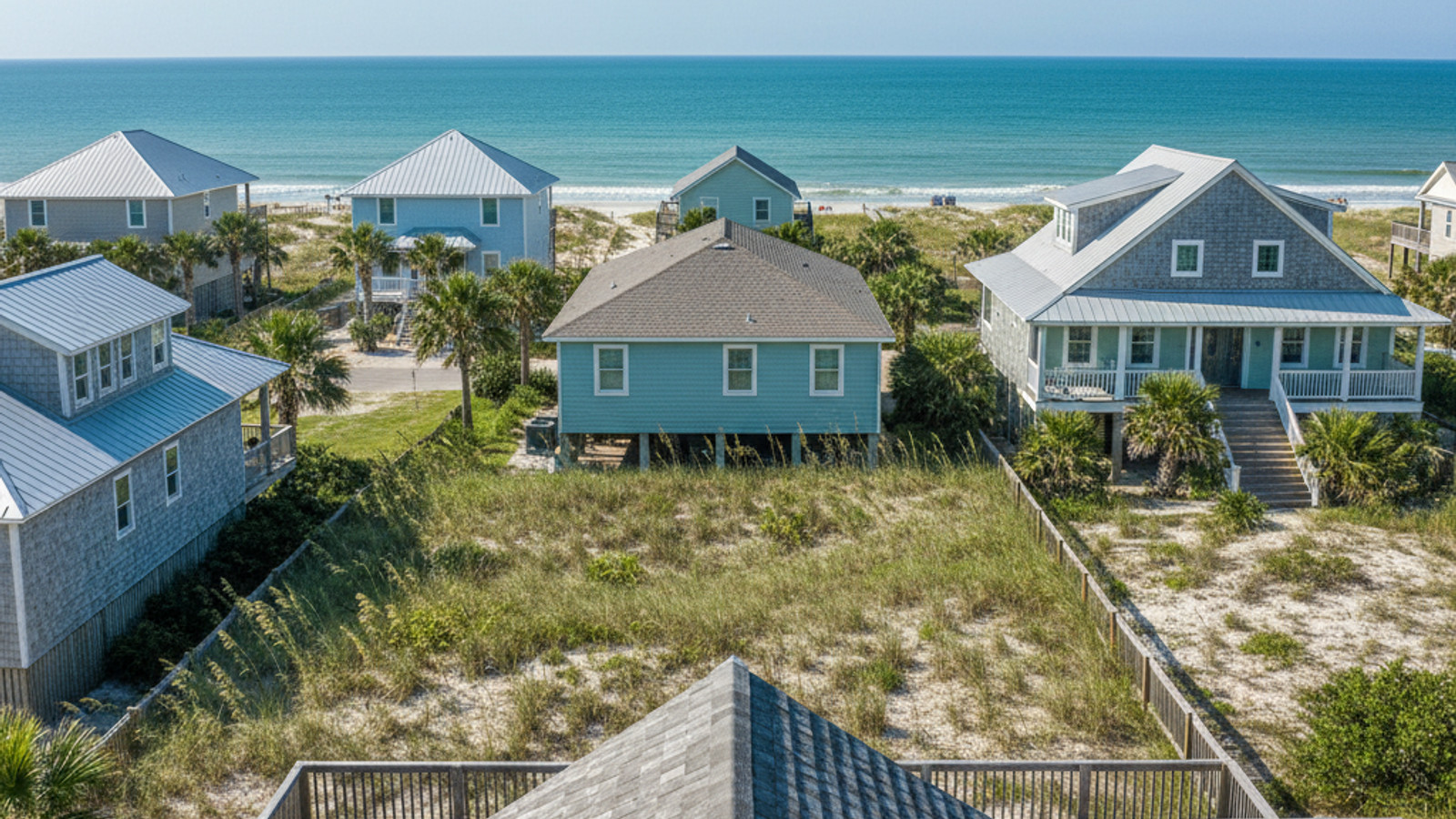
Preparing a home for the market involves much more than staging the living room and taking professional photos. When listing a property on the island, understanding the specific rules around seller disclosures in Galveston TX is a critical step for a smooth transaction. Buyers expect transparency, and Texas law strictly mandates exactly what you must reveal about your property condition.
Galveston presents a unique real estate environment where coastal weather, historic zoning, and specific flood zones intersect. Navigating these requirements properly protects you from post-sale legal headaches and keeps the closing timeline on track. Handling these documents accurately from day one is the smartest way to secure a strong offer and avoid costly buyer concessions.
The Core of Texas Property Disclosures
Every residential real estate transaction in the state relies heavily on the standard Texas Real Estate Commission (TREC) Seller's Disclosure Notice. Under Texas Property Code Section 5.008, you are legally required to provide a written, objective report detailing the current condition of your home. This document serves as a comprehensive inventory of the property, covering everything from the foundation to the roof.
You must accurately report the age and status of all major systems, including plumbing and the heating, ventilation, and air conditioning (HVAC) units. The form also requires you to disclose any known structural damage, foundation repairs, or history of termite infestations. My strongest advice to sellers is to over-disclose rather than under-disclose, as hiding a known defect usually surfaces during the buyer's inspection anyway.
The standard forms evolve regularly, and the early 2026 TREC form updates introduced new mandatory fields. You are now required to declare the presence of standby generators and outline any private road maintenance agreements. Staying current with these 2026 form changes ensures your listing remains fully compliant and prevents unnecessary delays during the contract period.
Navigating Galveston Coastal and Waterway Addendums
Island properties carry an additional layer of disclosure requirements tied to their proximity to the water. Buyers need to know exactly how coastal regulations and flood risks impact the real property they are purchasing. Providing these specific waterway addendums upfront builds immediate trust with potential buyers.
Failing to provide the correct coastal addendums is a common mistake that can easily derail a transaction. Sellers must strictly adhere to the guidelines set forth in Section 61.025 of the Texas Natural Resources Code. The following disclosures are mandatory for applicable coastal properties:
- The Addendum for Property Located Seaward of the Gulf Intracoastal Waterway warns buyers about coastal erosion and the implications of the Open Beaches Act.
- You must declare whether the home sits in a 100-year or 500-year flood zone and whether flood insurance is actively maintained.
- Sellers must reveal any previous flooding, water penetration, or natural disaster damage, regardless of whether it was fully repaired.
- The newly implemented 2026 TREC Water Notice (TREC No. 61-0) requires detailed information regarding groundwater and surface water rights.
The most critical takeaway here is that past water damage never truly disappears from your disclosure obligations. Even if you completely rebuilt the first floor after a storm, that history must be documented clearly for the new owner.
Windstorm Insurance and WPI-8 Certifications
Securing proper insurance is a major hurdle for island buyers, making windstorm coverage disclosures incredibly important. Recent 2026 sunset advisory changes require the Texas Real Estate Commission to explicitly include windstorm coverage information on standard disclosure forms. This ensures buyers understand exactly what protections are currently in place for the home.
A critical component of this process is the WPI-8, which is a Windstorm Inspection Certificate issued by the Texas Department of Insurance. Buyers and their mortgage lenders require this certificate to verify that completed exterior repairs or roof replacements meet strict coastal building codes. You must objectively document past windstorm damage and prove that the corresponding repairs were fully compliant.
Missing WPI-8 certificates are the single biggest cause of delayed closings in the local market. If you replaced a roof but failed to secure the certification, the buyer may be unable to get insurance. You will likely be forced to make pricing concessions of $5,000 to $15,000 or pay for a retroactive engineering inspection to save the deal.
Disclosing Historic Property Status in Galveston
The island features an impressive collection of historic architecture, but owning these homes comes with specific regulatory oversight. Sellers must identify if their property is governed by a Neighborhood Conservation District (NCD) or local historic district zoning overlays. Buyers need to understand that these designations heavily influence what they can and cannot do to the exterior of the property.
You have an obligation to inform potential buyers that any exterior alterations require formal approval from the Galveston Landmark Commission. This includes routine updates like changing the paint color, replacing windows, or modifying the front porch. Being upfront about these restrictions prevents the buyer from experiencing frustration when they try to renovate later.
Age also triggers federal environmental disclosures that you cannot ignore. You must provide a mandatory lead-based paint disclosure for any residence built prior to the 1978 cutoff date. Additionally, you must disclose any known asbestos or other hazardous materials present within the structure.
Timelines and Legal Compliance for Sellers
Timing is everything when it comes to delivering your property condition documents to a prospective buyer. Texas law outlines strict deadlines designed to facilitate consumer protection and ensure buyers have time to review the facts. Handling this timeline correctly is your best defense against post-sale disputes.
Delivering the paperwork late gives the buyer an unnecessary advantage during the negotiation process. To maintain control of the transaction and avoid claims of misrepresentation, keep these compliance rules in mind:
- You are legally required to deliver the completed Seller's Disclosure Notice before or at the exact time the real estate contract is signed.
- If the disclosure is delivered after the contract is executed, the buyer gains a statutory right to terminate the contract for any reason within 7 days.
- You have an ongoing duty to update the disclosure if the property's condition changes, such as a sudden HVAC failure, prior to closing.
Comprehensive, honest disclosure is the ultimate shield for a home seller. Failing to disclose known defects exposes you to severe consequences under the Texas Deceptive Trade Practices Act. In fraud or misrepresentation lawsuits, sellers face the very real risk of paying treble damages, which can easily exceed $100,000 depending on the defect.
Frequently Asked Questions About Galveston Disclosures
Is a seller's disclosure notice required in Texas?
Yes, providing a seller's disclosure notice is a strict legal requirement under the Texas Property Code. Almost all residential sellers must complete this form to detail the condition of the home and its major systems. Failing to provide this document gives the buyer an easy out during the transaction and can lead to costly delays.
Who is exempt from providing a seller's disclosure in Texas?
Certain specific transfers are exempt from the standard disclosure requirements. These include foreclosure sales, transfers between direct family members, and the sale of new construction homes where no one has ever occupied the property. If your island property does not fall into one of these narrow categories, you must complete the paperwork.
Do I have to disclose previous flooding if the house was fully repaired?
Yes, you absolutely must disclose any history of water penetration or flooding, regardless of the current condition. Even if you spent $50,000 completely repairing the damage and elevating the home, the historical event must be documented. Coastal buyers actively look for this information, and hiding it constitutes fraud.
What happens if a seller fails to provide a proper disclosure in Galveston, TX?
Failing to provide a proper disclosure gives the buyer the right to terminate the contract and receive their earnest money back. Beyond a canceled sale, the buyer can sue you for misrepresentation or fraud after closing if they discover hidden defects. These lawsuits can result in damages equivalent to three times the cost of the repair under state law.

April Aberle
REALTOR ® | Mortgage Originator | Homes for Heroes Affiliate | April Aberle | REMAX Crossroads Realty
or another way