
Categories
GalvestonPublished April 23, 2026
Navigating Property Valuation Galveston TX: A Complete Guide for 2026

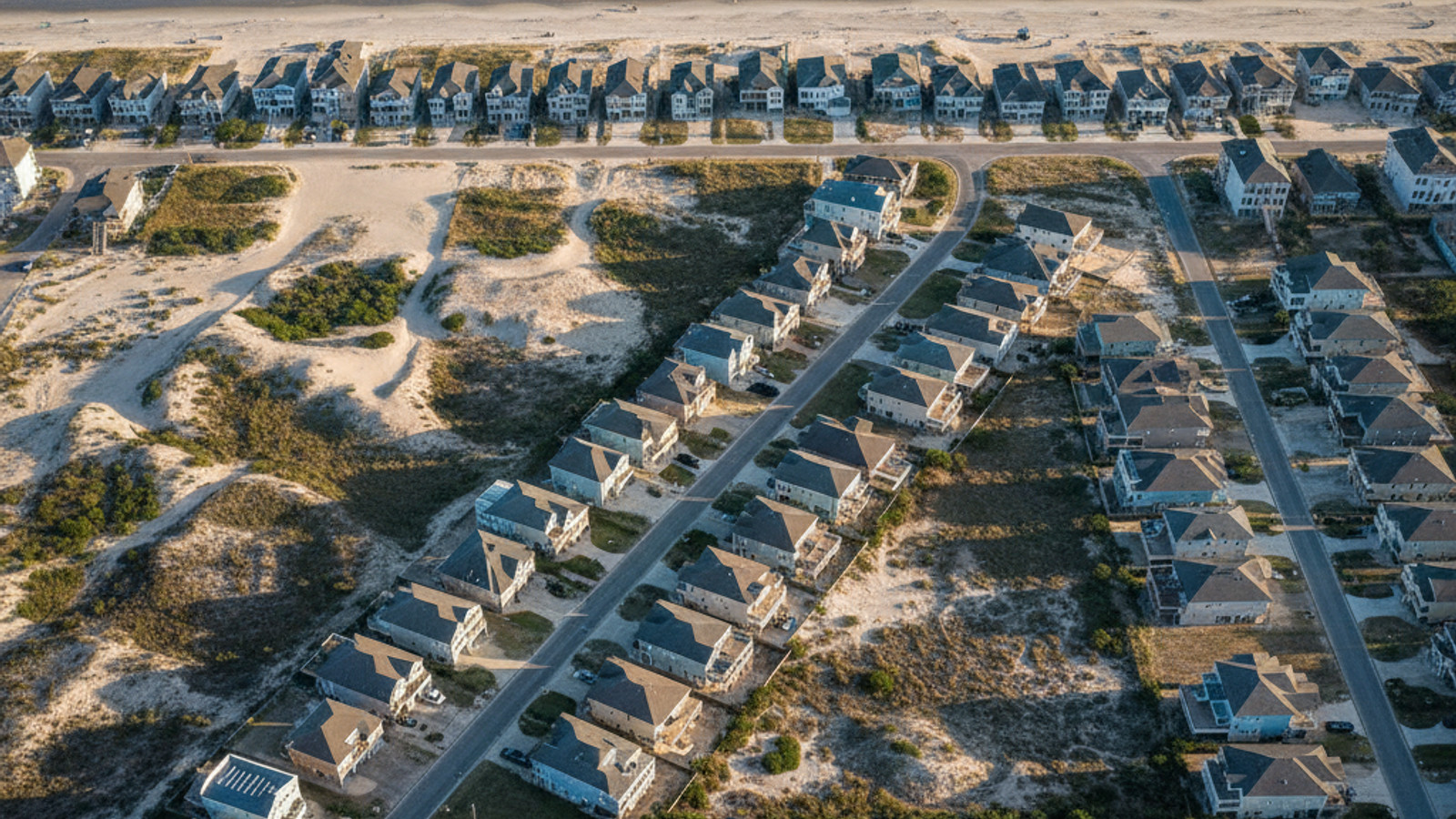
Understanding how homes are priced and taxed on the island is crucial for anyone buying, selling, or holding real estate here. The unique coastal environment means that property valuation in Galveston relies on factors you simply do not see in mainland Texas markets. Navigating these local nuances requires a clear grasp of both municipal tax assessments and private market appraisals.
Whether you are preparing to list a beachfront condominium or reviewing your annual county tax bill, accurate valuation is the foundation of every financial decision. The real estate market has shifted heading into the spring of 2026, making it more important than ever to know exactly what your property is worth. This guide explains how local valuations work, what current market data reveals, and how to protect your investment.
Understanding the Galveston Central Appraisal District (GCAD)
The Galveston Central Appraisal District is the governing body responsible for determining the assessed value of every parcel in Galveston County. They utilize mass appraisal techniques to evaluate thousands of properties simultaneously, relying on broad market data rather than individual home inspections. This approach means that your assessed value is an estimate based on the sales of similar homes in your specific neighborhood over the previous year.
Every spring, GCAD issues an annual Notice of Appraised Value to property owners via the United States Postal Service or through their digital portal. This document outlines the proposed value of your home for the upcoming tax year and serves as the baseline for calculating your property tax bill. Reviewing this notice promptly is essential because mass appraisals can sometimes overlook specific property defects or neighborhood variations.
Homeowners who claim a primary residence benefit significantly from the state homestead exemption. This exemption strictly limits the annual increase of your home's assessed value to a maximum of 10 percent, regardless of how fast the broader market appreciates. Capping these yearly increases provides a vital shield against sudden tax spikes in a volatile coastal market.
Tax Appraisals, CMAs, and Bank Appraisals Explained
Many property owners confuse the different types of valuation, but each serves a distinct purpose with very different methodologies. A tax appraisal from the county is designed purely for revenue collection and frequently lags behind actual real-time market value. Because the county uses mass appraisal formulas, their number rarely matches what a buyer would actually pay for the home on the open market.
When you want to sell, a local real estate agent will prepare a Comparative Market Analysis to determine a competitive listing price. This analysis looks at extremely recent sales, active listings, and specific property conditions to estimate what the market will bear today. A CMA is highly accurate for setting sales strategy, but it holds no legal weight with financial institutions or tax authorities.
If a buyer requires a mortgage to purchase your property, the lender will order a formal real estate appraisal. This is a rigorous, standardized evaluation conducted by a licensed appraiser to protect the bank's financial interest in the loan. The formal mortgage appraisal is the only valuation accepted by lenders, and a low appraisal can instantly derail a pending real estate transaction.
Objective Factors Influencing Galveston Home Values
Pricing real estate on a barrier island involves evaluating several geographic and structural variables that mainland properties never face. Market value here is heavily dictated by a property's exact location relative to the Gulf of Mexico and Galveston Bay. Beyond standard features like square footage and bedroom counts, buyers and appraisers focus intently on coastal risk factors.
The physical resilience of a home directly impacts its baseline value and long-term holding costs. Appraisers and buyers carefully review objective property condition markers, including architectural history and recent structural upgrades. Properties that have documented hurricane mitigations, such as impact-resistant windows or reinforced roofing, command a measurable premium in the current market.
When evaluating a Galveston property, several specific coastal factors will strongly influence the final valuation. Buyers must weigh these variables carefully before making an offer:
- Proximity to water dictates premium pricing, with direct Gulf views, beachfront access, and navigable canal frontage significantly increasing a property's market value.
- A home's base flood elevation and its specific FEMA flood zone determine the cost and strict necessity of federal flood insurance.
- Texas Windstorm Insurance Association requirements play a massive role, as homes lacking proper windstorm certification face steep insurance premiums that deter buyers.
2026 Galveston Real Estate Market Trends
The current housing market on the island requires buyers and sellers to adjust their expectations regarding pricing and timelines. As of April 2026, the median sale price for homes in Galveston sits at approximately $365,000. We are seeing the average price per square foot range between $284 and $316, depending heavily on the property's proximity to the seawall and historic districts.
Inventory levels have stabilized this year, which has noticeably extended the typical marketing period for local listings. The average days on market have stretched to approximately 120 to 130 days, signaling a shift toward a more balanced environment. Sellers must price accurately from day one, as buyers now have the time to negotiate and carefully evaluate their options.
We are also observing distinct performance differences between single-family homes and coastal condominiums. Single-family properties in elevated zones are moving faster than high-rise condominiums, largely due to rising monthly maintenance assessments on shared buildings. This divergence means that investors looking at condos must carefully factor in association fees when calculating their potential return on investment.
How to Protest Your Property Tax Assessment in Galveston
If you believe the county has overvalued your property, you have a legal right to challenge their assessment. The protest process begins the moment you receive your Notice of Appraised Value in the mail or via the online portal. You must act quickly, as the strict deadline to file your protest is May 15, 2026, or exactly 30 days after the notice is delivered.
Filing a protest can be done directly through the GCAD online system, by mailing the physical form, or by visiting the appraisal district office in person. To build a successful case, you must provide clear evidence that contradicts the county's mass appraisal data. Strong documentation includes recent comparable sales in your immediate area, independent fee appraisals, and contractor estimates for major necessary repairs.
The protest typically starts with an informal hearing where you discuss your evidence directly with a county appraiser to seek a resolution. If you cannot reach an agreement during this initial meeting, your case moves to a formal Appraisal Review Board hearing. The ARB is an independent panel that will review your documentation alongside the county's data before making a final, binding decision on your property value.
Frequently Asked Questions
How are property taxes calculated in Galveston County?
Property taxes are calculated by multiplying your home's assessed value by the combined tax rates of your local taxing jurisdictions. These jurisdictions include the city, the county, the local school district, and any special utility districts. If your home is assessed at $400,000 and your combined tax rate is 2.0 percent, your annual tax bill would be approximately $8,000 before exemptions.
What exemptions are available to Galveston County homeowners to reduce property taxes?
The most common reduction is the general residential homestead exemption, which lowers the taxable value of your primary residence. Additional exemptions are available for homeowners who are over the age of 65, veterans with service-connected disabilities, and surviving spouses. Applying for these exemptions through the appraisal district can save property owners hundreds or even thousands of dollars annually.
What are the deadlines for property tax payments and protests in Galveston County?
Property tax bills are generally mailed in October and must be paid in full by January 31 of the following year to avoid penalties. If you wish to protest your assessed valuation, you must file your paperwork by May 15, 2026. Missing the May deadline forfeits your right to appeal the county's valuation for that entire tax year.
Are there property tax relief options for disaster-affected homeowners in Galveston County?
Yes, Texas law allows for temporary property tax exemptions for homes physically damaged by declared natural disasters like hurricanes. Homeowners must apply for this relief within 105 days of the disaster declaration to receive a prorated reduction in their taxes. The exemption amount is based on a specific damage assessment rating assigned by the local appraisal district.

April Aberle
REALTOR ® | Mortgage Originator | Homes for Heroes Affiliate | April Aberle | REMAX Crossroads Realty
or another way