
Categories
GalvestonPublished February 14, 2026
Is Galveston TX Good for Young Professionals?

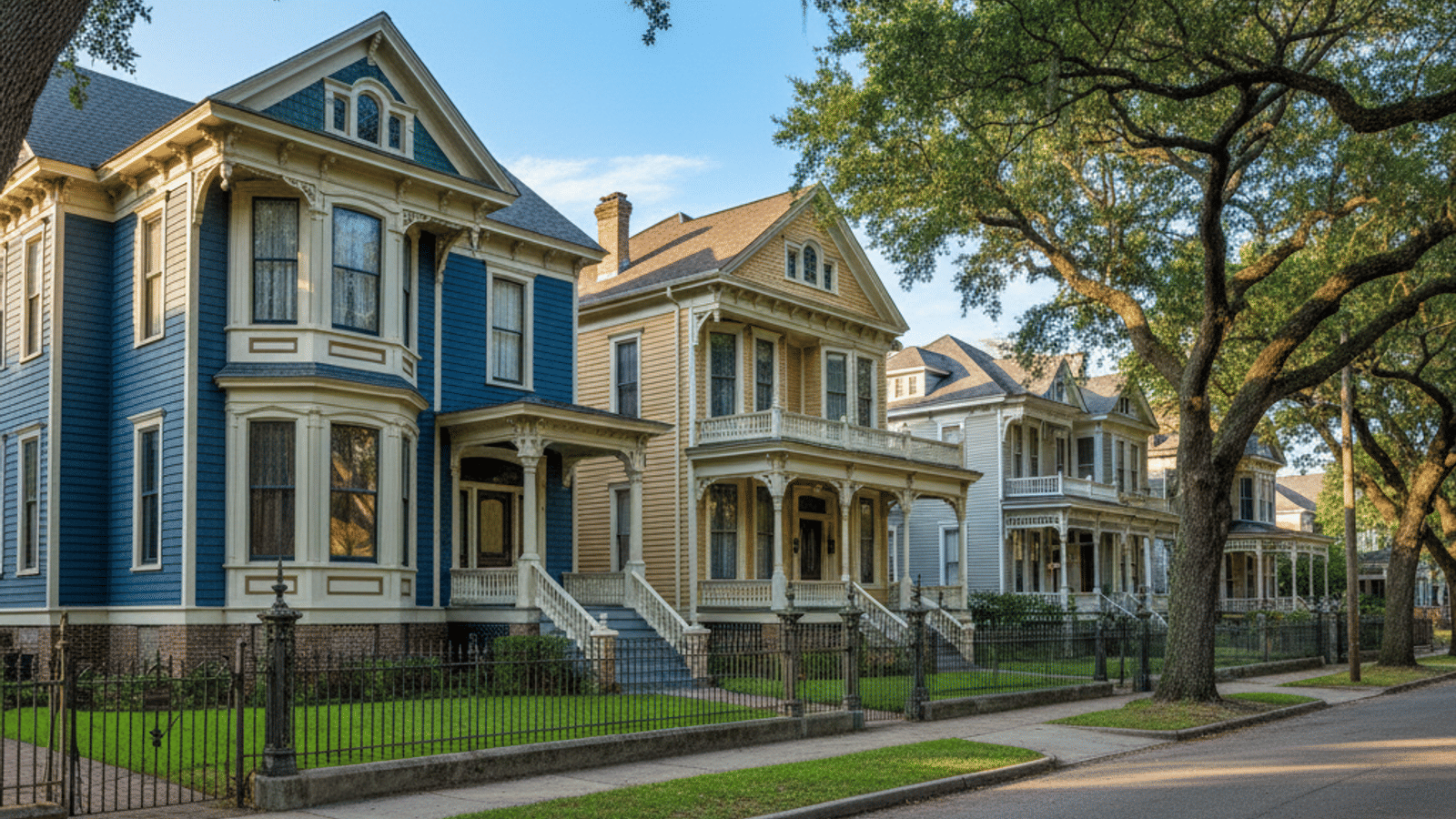
If you are eyeing the Texas coast, you are probably wondering if Galveston is just a weekend getaway or a legitimate place to build a life and career. As of 2026, the island offers a unique proposition that is drastically different from the hustle of Houston or the tech scene in Austin. It is a historic beach town with a distinct "Island Time" vibe, where the pace is slower, the community is tighter, and the ocean is always a few blocks away.
However, moving here isn't just about beach days. For young professionals, the decision usually comes down to career viability and lifestyle trade-offs. We are seeing a growing trend of remote workers and medical professionals choosing the island to escape the corporate grind, but it isn't a perfect fit for everyone. If you are looking into living in Galveston pros and cons, you need to weigh the relaxed atmosphere against the realities of island infrastructure.
For medical professionals, researchers, and remote workers, Galveston is often a hidden gem. For corporate climbers needing daily face time in downtown Houston, it can be a logistical challenge. This guide breaks down exactly what you need to know before you pack the moving truck.
The Job Market: Beyond Tourism and T-Shirts
When outsiders think of Galveston, they often think of hospitality, cruise ships, and souvenir shops. While tourism is a huge part of the economy, the professional landscape is actually anchored by heavy hitters in healthcare and maritime industries. You aren't limited to seasonal work here; there is a robust engine driving the local economy.
Healthcare & Education Dominance If you work in healthcare, research, or academia, Galveston is arguably one of the best spots on the Gulf Coast. The University of Texas Medical Branch (UTMB) is the island's economic heartbeat. It employs a massive chunk of the local professional population. We see a steady stream of residents, nurses, and researchers moving here because the commute is non-existent—often just a bike ride or a short walk from the historic districts.
Maritime & Logistics Beyond the hospital, the Port of Galveston is a major player. This drives serious demand for professionals in logistics, engineering, supply chain management, and maritime law. It is an industrial working port, which means steady, high-paying careers that don't rely on tourist seasons.
The Remote Work Revolution For the digital nomad or the work-from-home crowd, the island has caught up with the times. High-speed fiber internet (mostly through AT&T and Xfinity) is widely available in the core neighborhoods. If you need to get out of the house, coworking spaces like MarMo Plaza on Market Street have become hubs for creatives and remote tech workers. It makes the moving to Texas guide look a little different when you realize you can work for a Dallas tech firm while sitting in a Victorian loft near the Gulf.
The Commute Reality: Galveston to Houston
This is the section where I have to be the bearer of bad news. If your job requires you to be at a desk in Downtown Houston at 8:00 AM every day, living in Galveston is going to be tough. The distance is roughly 50 miles, but in Texas traffic, that distance feels much longer.
The Drive On a perfect day with no construction and no accidents, you are looking at 50 to 60 minutes one way. However, I-45 is unpredictable. If there is a stall near League City or an accident on the Causeway, that commute easily turns into 90 minutes or more. Doing that twice a day is generally considered "soul-crushing" by locals. Most people who try the daily grind eventually burn out or move to the suburbs.
The 'Reverse Commute' and Hybrid Models The setup works best if you are on a hybrid schedule. If you only have to drive into Houston one or two days a week, the island lifestyle is absolutely worth the drive. Alternatively, if you work in Southeast Houston hubs like Webster, NASA/Clear Lake, or League City, the commute is much more manageable. You are driving against the main flow of traffic (the "reverse commute"), which makes a huge difference. If you are comparing best Houston suburbs for commuting, you'll find that living in Houston and visiting the island is easier traffic-wise, but then you miss out on the actual island lifestyle.
Cost of Living: Renting vs. Buying in 2026
When you look at Zillow, Galveston real estate prices can look incredibly tempting compared to the skyrocketing costs in Austin or the Inner Loop of Houston. However, the sticker price on a home here doesn't tell the whole story. The cost of living on the Texas Gulf Coast has its own unique math.
Renters Have the Advantage If you are just arriving, renting is the smartest play. Rents are generally affordable for young professionals. You can find modern one-bedroom apartments or charming historic lofts for roughly $1,200 to $1,600 a month. This lets you enjoy the walkability and the beach without the financial heavy lifting that comes with ownership.
Buying is Tricky You might see a historic cottage listed for $350K and think it's a steal. But before you sign anything, you have to look at the insurance. Windstorm and flood insurance are the dealbreakers here. In many cases, these insurance premiums can equal or even exceed your property taxes, effectively doubling your monthly escrow payment. Insurance rates saw significant hikes in 2025, so you need to budget aggressively for this.
Utilities Another line item to watch is electricity. Many of the coolest homes in Galveston are 100-year-old Victorians. They are beautiful, but they are rarely energy-efficient. keeping a historic home cool in August humidity can lead to surprisingly high electric bills.
Best Neighborhoods for Young Professionals
Galveston isn't just one big beach town; it's a collection of distinct neighborhoods. For a young professional, you generally want to be where the action is or near work, rather than in the vacation rental zones.
Downtown / The Strand If you want to be in the heart of it, this is your spot. Living here means lofts above shops, walking to grab your morning espresso at MOD Coffeehouse, and having bars and restaurants right downstairs. It is high energy and perfect for singles who want a social life the second they step out the door.
East End Historic District This is arguably the most desirable area for young couples and medical professionals. It is quieter than downtown but still very walkable. The streets are lined with massive live oaks and stunning Victorian homes. It is incredibly close to UTMB, making it a favorite for residents and hospital staff who want to walk or bike to work.
Cedar Lawn / Fish Village If you are looking for something that feels more like a traditional neighborhood with a yard and a driveway, check out these areas. They have a "suburban" feel but remain close to the medical center. It’s quiet, green, and community-focused.
West End You will see a lot of houses for sale on the West End, but I generally advise young professionals to look elsewhere. This area is dominated by vacation rentals. It can be isolating in the winter, and you won't find the same sense of community or walkability that you get in the city core.
Social Life, Nightlife, and 'Island Time'
Life here is different after 5:00 PM. We don't really have a "club" scene; we have a pub scene. The social vibe is incredibly casual—flip-flops are acceptable almost anywhere.
Nightlife The nightlife revolves around The Strand and Postoffice Street. You’ll find great dive bars, pubs like Patrick’s or Bubba’s, and open-air spots like Yaga’s. There is a lot of live music, but it’s more acoustic sets and cover bands than DJs and bottle service. It’s a place where you actually talk to the people you meet.
Active Lifestyle If you are outdoorsy, you will love it here. Surfing (the waves are small, but they are there), kayaking, and running along the Seawall are daily rituals for locals. The beach culture is a year-round thing, not just for summer. You’ll see people fishing or walking dogs on the sand in January.
Festivals and Dating There is always a reason to party in Galveston. Mardi Gras Galveston is a massive, city-wide event, and Dickens on the Strand brings huge crowds in December. As for the dating scene, it is smaller than Houston. The "island small town" syndrome is real—everyone knows everyone eventually. You will likely meet people through work, especially if you are connected to the medical branch, or at the regular local hangouts.
The Trade-offs: Humidity, Hurricanes, and Tourists
I want to be transparent about the downsides so there are no surprises. Living on a barrier island in the Gulf of Mexico comes with specific challenges.
Weather Risk Hurricane season runs from June through November, and it is a source of genuine stress. You need to have an evacuation plan and you need to be prepared to leave if a big storm targets the coast. It’s part of the price of admission for living by the water.
Summer Traffic From May to August, the island fills up. The Seawall becomes a parking lot on weekends, and your favorite brunch spot will have a wait list. Locals quickly learn the back roads, like Harborside Drive, to avoid the tourist crush on Broadway and the Boulevard.
Humidity and Rust The salt air is brutal on property. Your car will rust faster here than it would inland, and electronics can suffer from the humidity. You will find yourself replacing outdoor furniture and performing maintenance on your home (and bike) much more frequently than you would in a dry climate.
Final Verdict: Should You Move to Galveston?
So, is Galveston right for you? It really depends on what you value most in your daily life.
Move Here If: You work at UTMB, work remotely, or have a career in the maritime industry. You should make the move if you love the ocean (even if the water is chocolate-colored sometimes), value a tight-knit community with history, and prefer a walkable, laid-back pub culture over high-end city gloss.
Look Elsewhere If: You have to commute to downtown Houston five days a week; the drive will eventually wear you down. You should also reconsider if you crave luxury shopping, high-energy nightclubs, or if the threat of hurricanes causes you severe anxiety. If that sounds like you, checking out a living in Houston vs Galveston comparison might steer you toward the mainland.
Frequently Asked Questions
Is Galveston safe for young professionals living alone?
Like many historic cities, safety in Galveston can vary block by block. The popular areas for professionals, such as the East End and The Strand, generally feel safe and have a strong community presence, but it is always smart to stay aware of your surroundings at night and secure your property.
Can you live in Galveston without a car?
It is possible if you live and work in the Downtown or East End areas, where you can walk to the grocery store, restaurants, and UTMB. However, the island is long, and public transit is limited, so having a car is highly recommended for getting to the West End, big-box stores, or off the island.
What is the internet reliability like for remote work?
Internet reliability is generally excellent in the core residential and business districts. Major providers like AT&T Fiber and Xfinity offer high-speed connections that easily support Zoom calls and heavy data use, making the island a viable hub for remote professionals.
Is the commute from Galveston to Houston doable daily?
While physically possible, a daily commute to downtown Houston is grueling, often taking over an hour each way. It is sustainable for a hybrid schedule (1–2 days a week), but most residents find a daily five-day commute to be detrimental to their quality of life.

April Aberle
REALTOR ® | Mortgage Originator | Homes for Heroes Affiliate | April Aberle | REMAX Crossroads Realty
or another way